Portugal & Its Culture
Find information on Portugal and Portuguese culture.
Portugal A-Z, entertainment, facts and figures, famous Portuguese people, festivals, food and football.
We have information for the gay traveler, a Portuguese glossary, history, Portugal links and resources and a listing of useful internet cafes.
Read articles on bacalhau (dried cod), Portugal's delicious pastries and the cultural icon on a plate that is Francesinha.
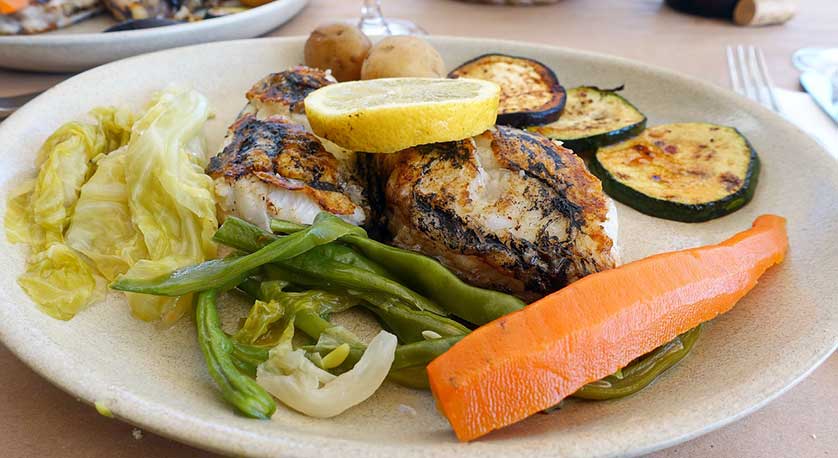
Portuguese Food & Drink
Portugal can be enjoyed just for its glorious much-underrated cuisine. There's filling, well-priced main courses washed down with good beer and excellent wine followed by some of Europe's tastiest desserts. Port anyone? Gourmet restaurants are on the rise as well as a growing awareness of vegetarian and vegan options.
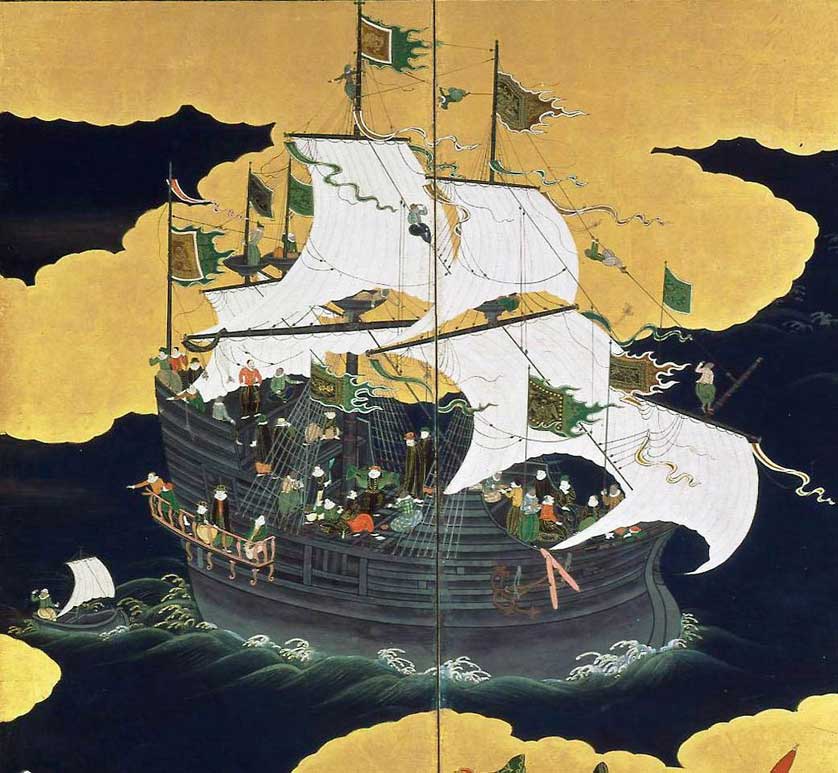
Portuguese History
Portugal's history is long and complex and steeped in a fair amount of blood. From the birth of the nation under its first monarch, Afonso I, in the 12th century, through the Reconquista and expansion during the Age of Discoveries, this small nation seemed on an upward curve. The profits from Brazilian gold and Asian spices paid for the glorious Baroque splendor of its churches and palaces. The 1755 Earthquake, Napoleonic invasion and gradual economic decline were to follow. The nation is now slowly confronting its colonial past, role in the global slave trade and period of dictatorship.
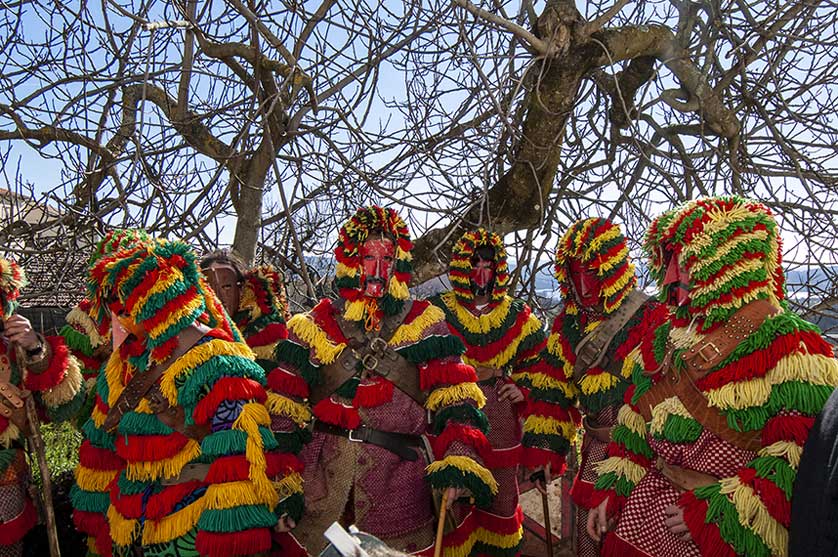
Festivals in Portugal
If possible try to time your visit to coincide with one of Portugal's many festivals. Whether solemnly religious or joyously musical, they offer something for every taste. Christmas, Carnival and Easter are all celebrated with much passion and gusto.
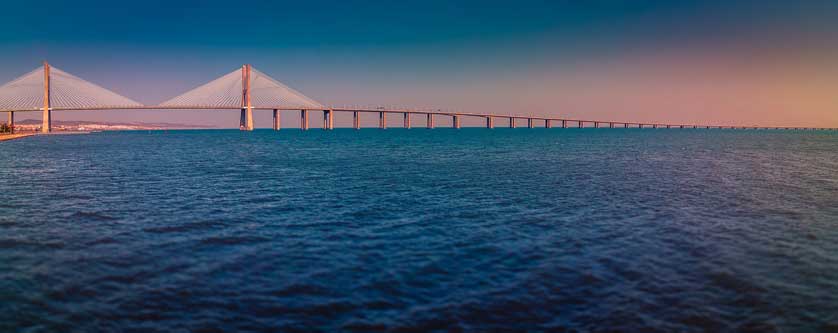
Portuguese Architecture
The architecture in Portugal is a delight. Much of it is old from Roman remains, to Medieval castles and UNESCO listed monasteries to historic pillories and palaces. Much is more contemporary, however, Portugal's rivers are spanned by some superb modern bridges, the capital's metro decorated by some of the country's famous artists and underfoot, that most Portuguese of architectural wizardry, the calçada pavement.

Spring in Portugal
Spring (Primavera) is a great time to visit Portugal. The season "officially" begins around March 20 or 21 but after the Freedom Day (Dia da Liberdade) national holiday on April 25, the weather is getting warmer and it's wonderful to be outside.
Spring is the perfect time to admire the blossoms and flowering plants in the Lisbon's many fine parks and gardens and the country's nature parks (Parque Natural).
Crowds are thinner before the summer rush in August and you will find prices for hotels are lower. People are welcoming and staff have more time to chat in bars and cafes.
Gay Portugal
Portugal was voted best destination for gay travelers in 2019 (along with Canada and Sweden) by Spartacus. Since the 1990's, there have been huge advances in gay liberation in Portugal, though the bigger cities of Lisbon, Porto and the more cosmopolitan Algarve region are more accepting than the largely conservative countryside. Príncipe Real (Misericórdia) is the center of gay life in the capital with numerous gay-friendly and gay-owned bars, cafes and restaurants.
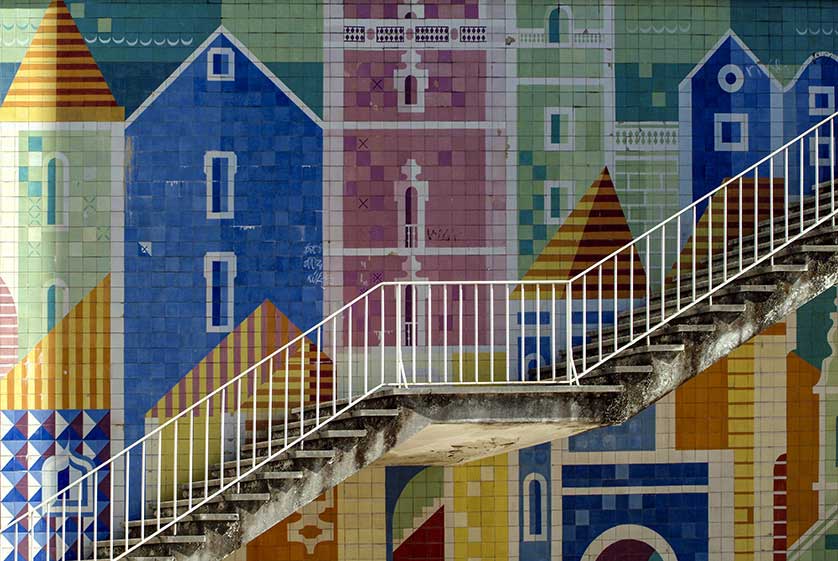
Azulejos
Azulejos, (from the Arabic al-zillīj meaning "polished stone"), is a characteristic Portuguese art form seen throughout the country and also in former Portuguese territories overseas. As quintessentially Portuguese as bacalhau, calçada and fado, azulejos decorate the exteriors and interiors of churches, civic buildings, palaces, railway and metro stations, schools and even more mundane housing. They are both decorative and functional, helping to control the temperature of interiors and provide insulation for exteriors. São Bento Station in Porto and the Museu Nacional do Azulejo in Lisbon are two of the many places to appreciate this art.

Fado
Fado, ("fate", "destiny"), is the genre of music most associated with Portugal and the Portuguese. The emotional, melancholic music reveals much about the Portuguese soul and is intimately connected with the concept of saudade - an intense longing for something lost and long-gone that can never be recovered. Fado was added to the UNESCO Representative List of the Intangible Cultural Heritage of Humanity in 2011. Amália Rodrigues, the Queen of Fado, helped popularize fado overseas during her heyday in the 1950's-1970's. Contemporary stars include Mariza, Ana Moura and Carlos do Carmo.

Agriculture
The main agricultural products in Portugal include apples, cherries, citrus, cork, figs, grapes, maize, milk, olives, oranges, pêra rocha pears, pork, potatoes, poultry, sunflower oil and tomatoes. Agricultural patterns in Portugal have largely been set since antiquity. The Romans introduced vineyards, olive farming and citrus orchards which were continued and expanded during the period of Islamic control. The Alentejo is Portugal's bread basket and along with areas to the south in the Algarve has developed a monoculture of wheat, cork and olive production. A vast, rolling plain it spreads from the Spanish border to the Atlantic. 75% of the nation's wheat grows here.

Traditional Costumes
Portugal retains a strong tradition of regional costumes, especially in the more remote north of the country, in particular the Minho and Trás-os-Montes regions. Nowadays, people only wear traditional dress at Portugal's many festivals and during carnival. However, in the remoter areas of northern Portugal traditional dress was more common up until the early 20th century. The Iberian Museum of the Mask and the Costume (Museu Ibérico da Máscara e do Traje) close to Bragança Castle in Bragança has displays of various local dresses.