Museums in Lisbon, Portugal
Lisbon, for a European capital of its size, has a fantastic variety of excellent museums, many of them of world-class standard. See a listing of some of Lisbon's best museums and galleries.
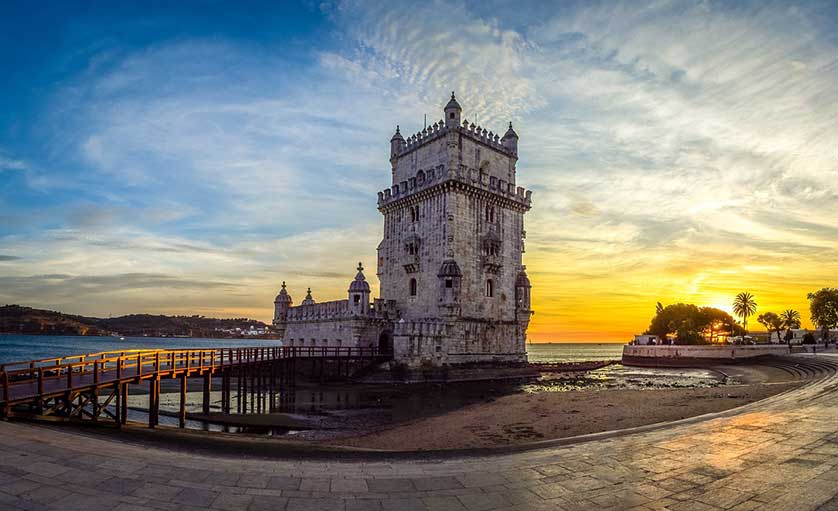
Belem Tower
The Belem Tower, in Belem in the west of Lisbon is one of the city's finest historical sites. Easy walking distance from the Mosteiro dos Jeronimos and Museu Nacional dos Coches, the Belem Tower is best visited out of season or in the early morning before the crowds arrive. A UNESCO World Heritage site, the 35 metre-high Belem Tower was designed by the military architect Francisco de Arruda between 1514 and 1520 as part of a defensive system at the mouth of the River Tagus. The fortress was named the Torre de Sao Vincente de Belem after the patron saint of Lisbon.
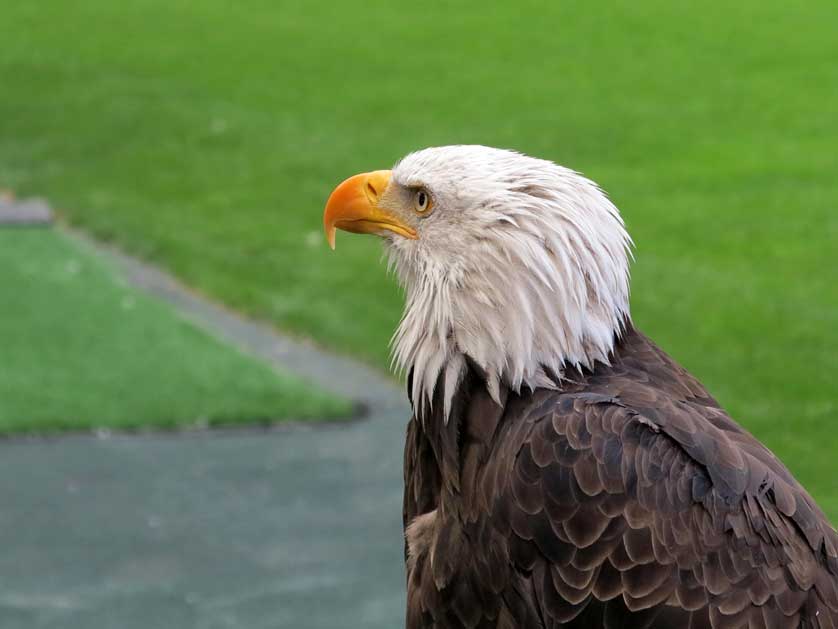
Benfica Museum
The Benfica Museum (Museu Benfica Cosme Damião), at Estádio da Luz, in Lisbon opened in 2013 and has quickly become a popular attraction not just for supporters of Benfica who come to visit from all over Portugal but also foreign tourists interested in Portuguese football. The Benfica Museum is named after Cosme Damião (1885-1947), the man most responsible for the Benfica's birth and a famous player for and coach of the team, which remains Portugal's most well supported club. The Benfica Museum is well curated and can take a couple of hours to see all the exhibits on the three floors.
Berardo Collection
The Berardo Collection is a showcase for the modern and contemporary art collection of multi-millionaire Jose (Joe) Berardo, one of Portugal's richest men. The works on display in the well-designed galleries cover major movements in 20th and early 21st century modern art. The Berardo Collection includes examples of conceptual art, hyper-realism, minimalism pop art and surrealism with a concentration on American and European works. The collection, valued at over 300 million Euros also comprises works of modern and contemporary Portuguese art.


Casa dos Bicos / Fundação José Saramago
The Casa dos Bicos ("House of Points" or "House of Spikes") in the Alfama district of Lisbon, is now part of the Museu de Lisboa, which also includes the Palácio Pimenta, Santo António, Teatro Romano and the Torreão Poente. The 16th century house is known for its unusual facade lined with over 1,000 diamond-shaped spikes. Casa dos Bicos also contains the José Saramago Foundation (Fundação José Saramago), which is devoted to the life and art of the Nobel Prize-winning author. Personal items from the novelist are on display along with a library for researchers and Saramago's books on sale in a variety of languages.
Casa-Museu Dr. Anastácio Gonçalves
The Casa-Museu Dr. Anastácio Gonçalves is housed in the former residence of the Portuguese painter José Malhoa (1855-1933) in Lisbon close to the Picoas metro station. The house dates from 1904 and contains Gonçalves' eclectic collection of Chinese porcelain from both the Song, Ming and Qing dynasties. In addition, the house contains a large display of Portuguese paintings by José Malhoa, Silva Porto, Joao Vaz, Antonio Ramalho, Carlos Reis, Mario Augusto and Marques de Oliveira. The museum's collection also exhibits paintings by Ricardo Hogan, Francisco Vieira Lusitano and Domingos Antonio Sequeira.
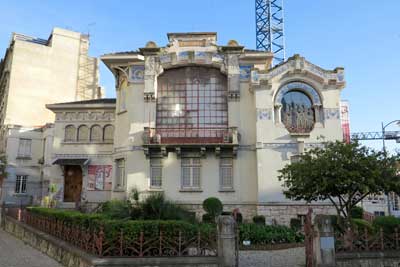

Casa-Museu Medeiros e Almeida
The Casa-Museu Medeiros e Almeida is the former art-nouveau mansion of businessman António Medeiros e Almeida (1895-1996), who made his money importing British cars to Portugal in the 1930's and later in the aviation and sugar industries. His superb, eclectic collection of around 2,000 pieces displayed in the house consists of Chinese Qing porcelain, paintings by Thomas Gainsborough, a Portuguese silver tea and coffee service used by Napoleon Bonaparte during his exile, fans, luxury silverware, snuff boxes, furniture and an incredible collection of clocks, watches and other timepieces. The original mansion is kept very much as it was when inhabited by Medeiros e Almeida and his family, while a new wing built over the garden in the 1970's houses the main body of his collection.
Centro Cultural de Belem
The Centro Cultural de Belem is a fine example of modern Portuguese architecture and an important venue for a number of the capital's cultural events. The Centro Cultural de Belém houses an Exhibition Centre, a Congress Hall, a Reading Room and a Theatre. The center hosts classical music concerts, opera, jazz, dance and art exhibitions. The Centro Cultural de Belem (CCB) is the largest cultural facilities building in Portugal.
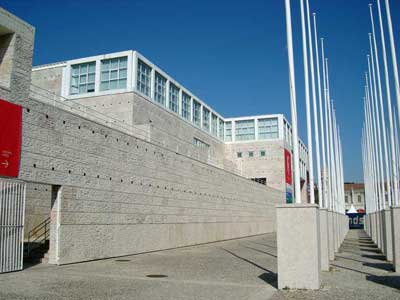

Convento do Carmo
Convento do Carmo is an historic ruin in the Chiado district of Lisbon, which is the city's most striking example of the devastation caused by the 1755 earthquake which struck the city. The Convento do Carmo originally dates from the late 14th century and was founded in 1389 by the Constable D. Nuno Álvares Pereira. Nowadays the ruined Gothic church is used as the Museu Arqueológico do Carmo (Carmo Archaeological Museum). Exhibits include Roman remains (ceramics, mosaics), a Visigothic pillar, as well as a series of tombs including that of King Ferdinand I in the exposed nave.
Fado Museum
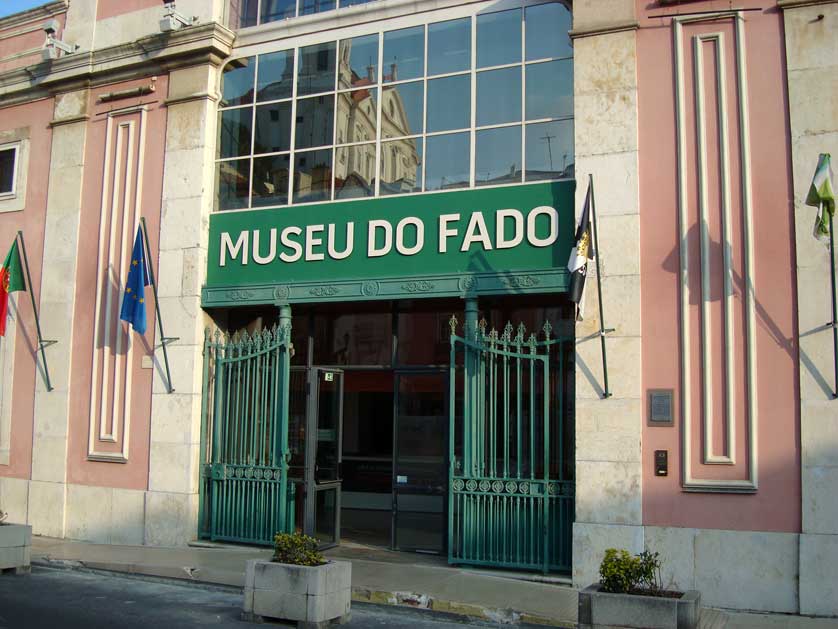
The Fado Museum (Museu do Fado) in the Alfama region of Lisbon not far from Santa Apolonia Station and Lisbon Cathedral (Sé) is a must for fans of this most traditional style of Portuguese music. Housed in a fine building, the museum exhibits over 14,000 items from Fado performers, including musical instruments, paintings, photographs, records, clothes and magazines. The museum also examines the place of fado in Portuguese culture in a series of paintings by artists such as José Malhoa, Constantino Fernandes and João Vieira. The Museu do Fado also hosts temporary exhibitions - often music-related - as well as proving a school for the practice and performance of the genre.
Fundação Arpad Szenes-Vieira da Silva
The Fundação Arpad Szenes-Vieira da Silva is housed in the former 18th century Royal Silk Factory at the Jardim das Amoreiras and is dedicated to the work of artists Arpad Szenes (1897-1985) and Vieira da Silva (1908-1992). Arpad Szenes of Hungarian-Jewish descent and Vieira da Silva from Lisbon in Portugal married in Paris in 1930. Both were abstractionist painters. The two story museum's collection covers a long period of painting and drawing by the two artists: from 1911 to 1985, for Árpád Szenes, and from 1926 to 1986, for Maria Helena Vieira da Silva, as well as engravings by Vieira da Silva from 1990-1991, just before her death.


Gulbenkian Museum
The Gulbenkian Museum (Calouste Gulbenkian Museum) is Portugal's finest museum and one of the best collections of classical art anywhere in Europe. The over 6,000 pieces (with around 1,000 on permanent display) housed in a renovated 1960s building were the eclectic collection of Armenian oil magnate and multi-millionaire, Calouste Sarkis Gulbenkian (1869-1995). On his death in Lisbon, Gulbenkian bequeathed his vast acquisitions of art to the Calouste Gulbenkian Foundation (Fundação Calouste Gulbenkian).

Gulbenkian Museum: Modern Collection
The Gulbenkian Museum Modern Collection is part of the Calouste Gulbenkian Museum and exhibits modern European art from the latter years of the 19th century to the present day with strong representation by artists from Portugal, Britain and also Armenia. Works include pieces by Sara Afonso (1899-1983), José de Almada Negreiros (1893-1970), Paula Rego, Sonia Delaunay, Amadeo de Souza-Cardoso (1887-1918), Arshile Gorky (1904-1948), Vieira da Silva and Arpad Szenes, Graham Sutherland (1903-1980), Bill Woodrow, Anthony Gormley and David Hockney.
Mãe d'Água (Museu da Água)
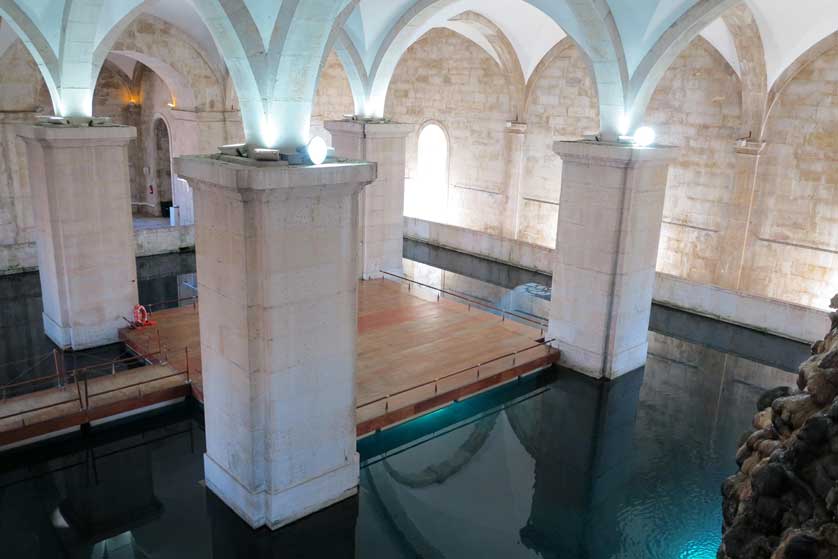
The Mãe d'Água ("Mother of Water") is at the end of the impressive Aqueduto das Águas Livres and is a huge 18th century reservoir designed by the Hungarian architect Carlos Mardel in 1746. The central water tank is approximately 7.5 metres deep with a capacity of 5500m³. It is possible to climb on to the flat roof of the reservoir for fantastic views over the area and as far as the River Tagus. The Casa do Registo at Rua da Amoreiras, controlled the flow of water for the supply of the city's fountains, convents and palaces.

Money Museum
The Museu do Dinheiro (Money Museum) is a recently restored museum at the corner of Praça do Município in central Lisbon. The museum is housed in the former head office of the Banco de Portugal, which also incorporates the former Church of São Julião. The museum is dedicated to the history and evolution of money in Portugal and the world as a whole. The complex also houses a section of King Dinis' Wall - an original remnant of the city's Medieval wall.
Museum of Art, Architecture and Technology (MAAT)
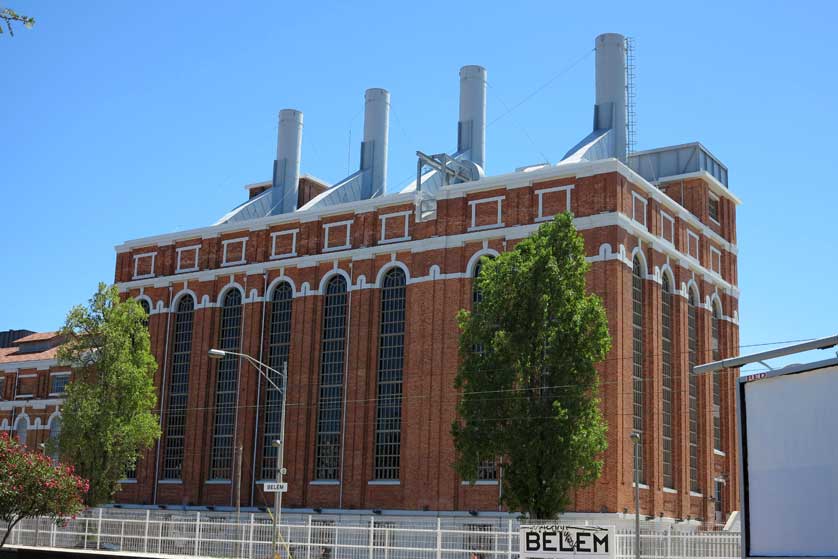
Museum of Art, Architecture and Technology (MAAT) is housed in a former red-brick coal-powered Tejo power station that was formerly the Museum of Electricity (Museu da Electricidade) and once provided power for the whole of Lisbon. Visitors can tour the various rooms and their giant pieces of machinery where the processes involved in power generation took place. Signage in both Portuguese and English offers comprehensive explanations and there are video quizzes for kids and hands-on scientific games at the end of your walk around the vast space.
Museu da Carris
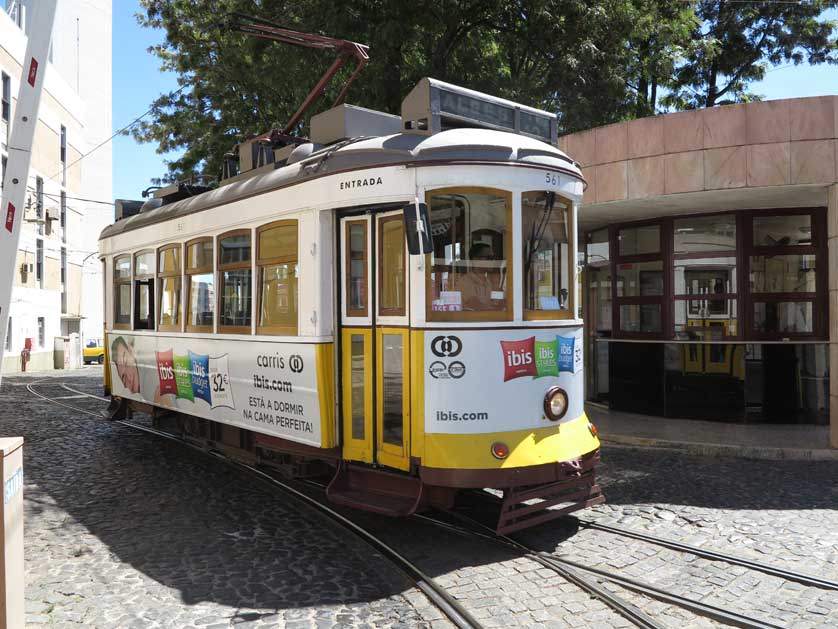
Museu da Carris is a homage to the company's long history of public transport provision in Lisbon since 1872. On display are historic trams and buses, including double-deckers as well as documents relating to the development of public transport in Lisbon. The museum, which opened in 1999, is divided into two sections with the old documents and small objects such as maps, tickets and uniforms in one building and the vehicles and carriages in another. You travel from one part to the next on a free tram ride.

Maritime Museum
The Maritime Museum (Museu de Marinha) or Navy Museum is located in the west wing of the Mosteiro dos Jeronimos close to Belem Tower in the Belem district of Lisbon. The Museu de Marinha, one of the largest of its kind in Europe, is dedicated to the history of Portuguese ships, shipbuilding, seafarers and nautical navigation particularly during the Age of Discoveries, when Portuguese boats traversed the oceans of the globe on sea routes to India, Africa, Asia and South America reaching such far flung places as Macau and Japan.
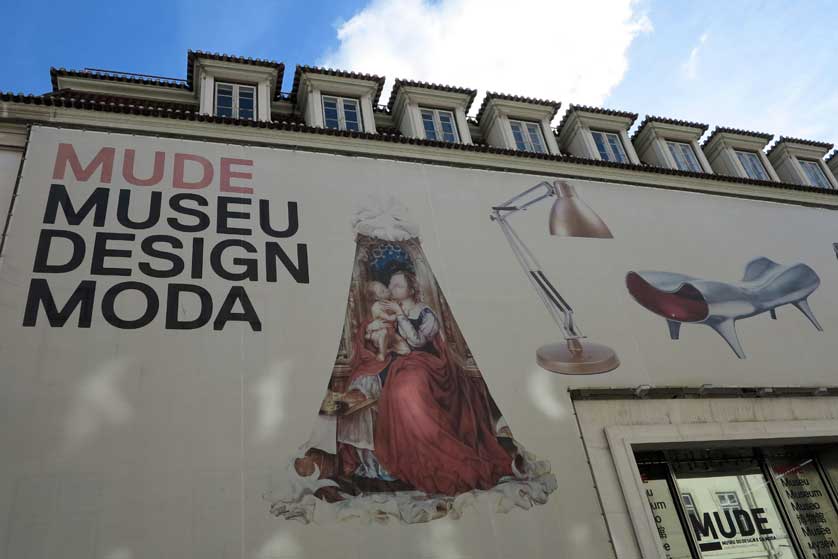
MUDE - Museu do Design e da Moda
The Museu do Design e da Moda (MUDE) is dedicated to modern design and contemporary fashion of the 20th and 21st centuries since around 1930. The museum's core exhibits include the 1,200 piece haute couture fashion collection of businessman Francisco Capelo as well as the work of over 200 modern designers: Masanori Umeda, Phillipe Starck, Paul Henningsen and Henning Koppel among them. Visitors can also enjoy the clothes of such famous fashion gurus as Jean Paul Gaultier, Yves Saint Laurent, Alexander McQueen, Paco Rabanne and Vivienne Westwood.
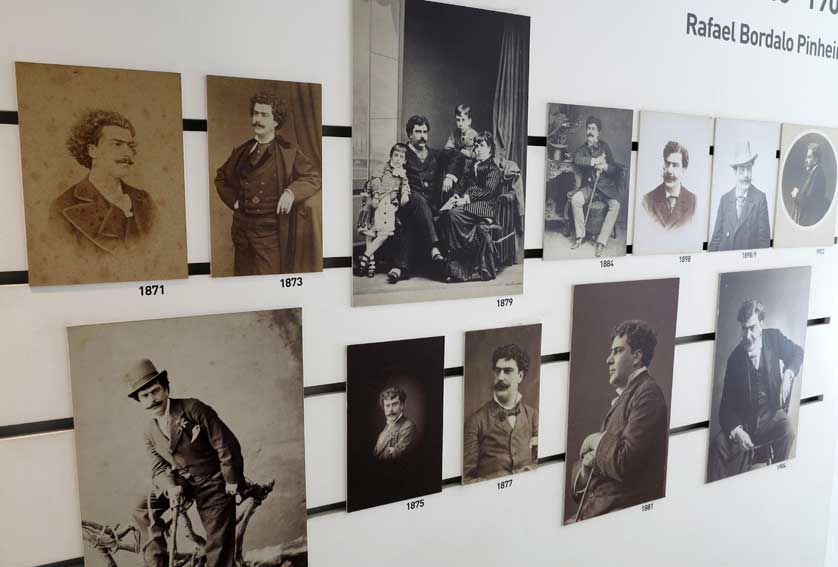
Museu Bordalo Pinheiro
The Museu Bordalo Pinheiro is dedicated the life and art of Rafael Bordalo Pinheiro (1846-1905). Bordalo Pinheiro is known for his prolific output of ceramics, sculpture, illustration and caricatures. Active also in the literary arts, Bordalo Pinheiro founded several periodicals where he could showcase his illustrations and cartoons including his iconic Zé Povinho character - a rustic, Portuguese everyman. Bordalo Pinheiro came from an artistic family. His father, Manuel Maria and his brother Columbano were both successful painters.
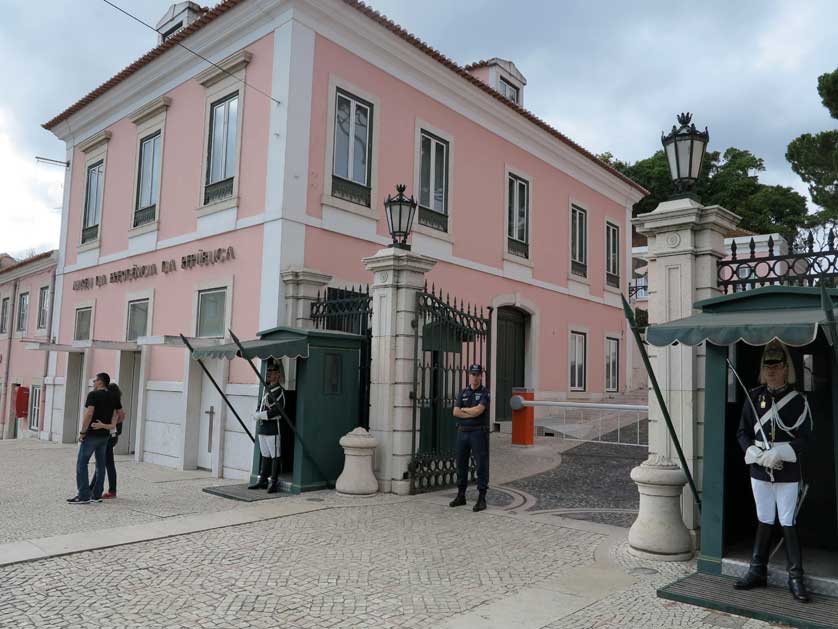
Museu da Presidencia da Republica
Museu da Presidencia da Republica (Museum of the President of the Republic) is situated in the Belem district of western Lisbon close to the Mosteiro dos Jeronimos, Belem Tower, the Maritime Museum and the Monument to the Discoveries. The Museu da Presidencia da Republica is housed in Belem Palace (Palácio de Belém), the official residence of the President of Portugal and previously the official residence of Portuguese monarchs. The Museu da Presidencia da Republica is modern facility and opened in 2004.
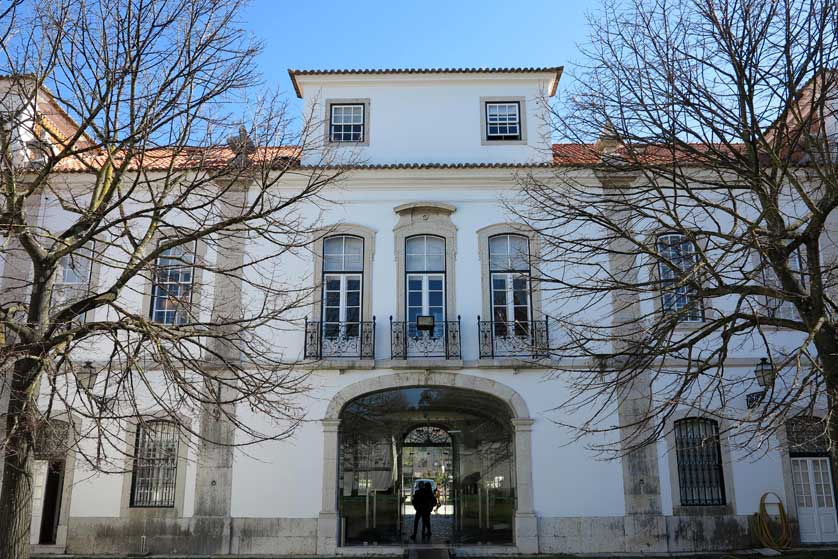
Museu de Lisboa
Museu de Lisboa (Museum of Lisbon), close to Lisbon University, is the new name for the former Museu de Cidade (City Museum). The Museu de Lisboa is now spread over five locations: the Palácio Pimenta, Santo António, Teatro Romano, Casa dos Bicos and the Torreão Poente (which holds temporary exhibitions). The Museu de Lisboa is headquartered in the beautiful 18th century Palácio Pimenta and its gardens and dedicated to the history and culture of Portugal's capital from prehistory to the present day.

Museu Militar
Museu Militar (Military Museum) is the largest in the country and among the largest in the world. It housed in a grand building that was formerly the Royal Arsenal, where foundries were established to build artillery pieces and cannons from the late 15th century of Portuguese history. The museum displays an extensive collection of armour, weapons, paintings, uniforms and historical military documents. One room in the museum is dedicated to the explorer Vasco da Gama with a collection of old cannons and modern murals depicting the discovery of the sea route to India. Vasco da Gama's sword is also on display here. Another room is dedicated to the Peninsular War, fought by Portuguese and British troops against Napoleon.
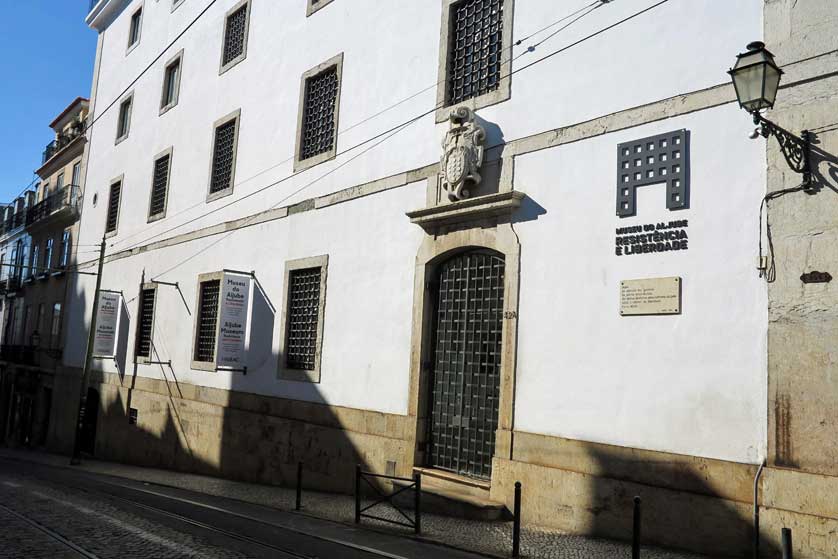
Museu do Aljube
Museu do Aljube is a must-see for visitors interested in the contemporary history of Portugal and the country's transition from authoritarianism under António de Oliveira Salazar and the Estado Novo (New State) to freedom and democracy in the 1970's following the Carnation Revolution. The sombre and thought-provoking Aljube Museum - Resistance & Freedom is dedicated to the memory of the fight against dictatorship in Portugal and the resistance for freedom and democracy.

Museu do Combatente
Museu do Combatente is located in an 18th century fort guarding the approach to Lisbon on the River Tagus and is dedicated to the men and women killed in action among the Portuguese armed forces from their bloody involvement in World War I through equally grisly conflicts in colonial Angola and Mozambique. The Museu Do Combatente displays a collection of uniforms, arms, a tank, the cockpit of a Fiat G91 aircraft widely used by the Portuguese Airforce during the Guerra do Ultramar (Colonial Wars) in Africa, many World War II vintage model aircraft and a number of pieces of artillery.

Museu de Arte Popular
Museu de Arte Popular was inaugurated in 1948, following the reconstruction of the "Secção da Vida Popular" pavilion built for the 1940 Portuguese World Exhibition (Exposição do Mundo Português) of which the Padrão dos Descobrimentos (Monument to the Discoveries) was a major symbol. The various rooms of the museum recreate the various regions of Portugal and were designed to display local folk art. The outside of the building is also designed in a rural Portuguese style.

National Coach Museum
The National Coach Museum (Museu Nacional dos Coches) in Belem is the best museum of its type in the world dedicated to historic horse-drawn coaches and is a very popular attraction in Lisbon. Following a recent redevelopment a new building designed by Portuguese architect, Paulo Mendes da Rocha, opened in 2015 in a space that was occupied by the Oficinas Gerais do Exército (old General Military Workshops). This striking modern building now houses the main collection of around 70 beautiful 17-19th century horse-drawn coaches, berlins, chaises, cabriolets as wells sedan chairs and litters.
National Tile Museum
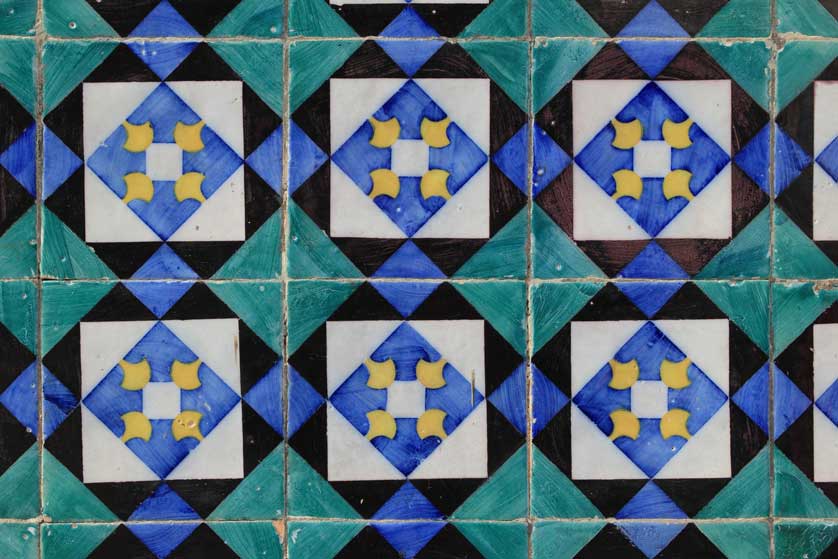
The National Tile Museum (Museu Nacional do Azulejo) could lay claim to be the city's most beautiful museum, housed as it is in the former convent of Madre de Deus, founded in 1509 by the widow of King Joao II, Dona Leonor of Lancaster. All that remains of the original structure is the fine Manueline doorway but the 18th century interior is a perfect backdrop to the national collection of azulejos (tiles). The museum displays azulejos from the 15th century to the present day including a 37m-long panorama of pre-earthquake Lisbon made in 1730. Other works come from as far away as the Ottoman Empire and Goa in India.
Orient Museum
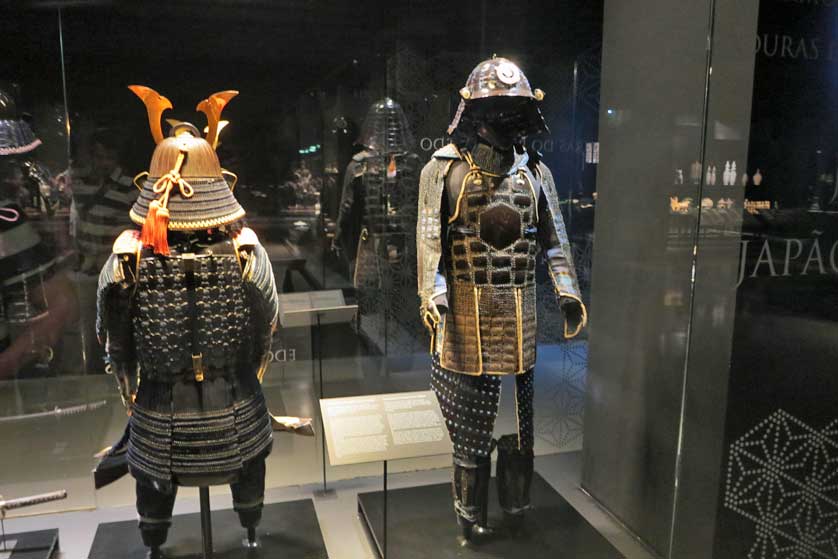
The superb Orient Museum (Museu de Oriente) was established by the Fundação Oriente (Oriental Foundation) in 1988 to foster ties between Portugal and the nations touched by Portuguese expansion and exploration in Asia, typically Macau, Malaysia, Indonesia, Japan, Sri Lanka and India. The Fundação Oriente was primarily funded by gambling revenue from Macau until the 1990's. The Museu de Oriente sets out the Portuguese presence in East Asia with an excellent collection of Asian art and artifacts including Namban (southern barbarian) art from Japan (exaggerated depictions of foreigners by Japanese artists), porcelain from China, furniture from Goa, India and folding screens from both China and Japan. Other exhibits include textiles, paintings, religious icons and oratories, masks, weapons, suits of samurai armor, a large collection of exquisite Japanese inro and netsuke plus old sea charts and documents.
Puppet Museum
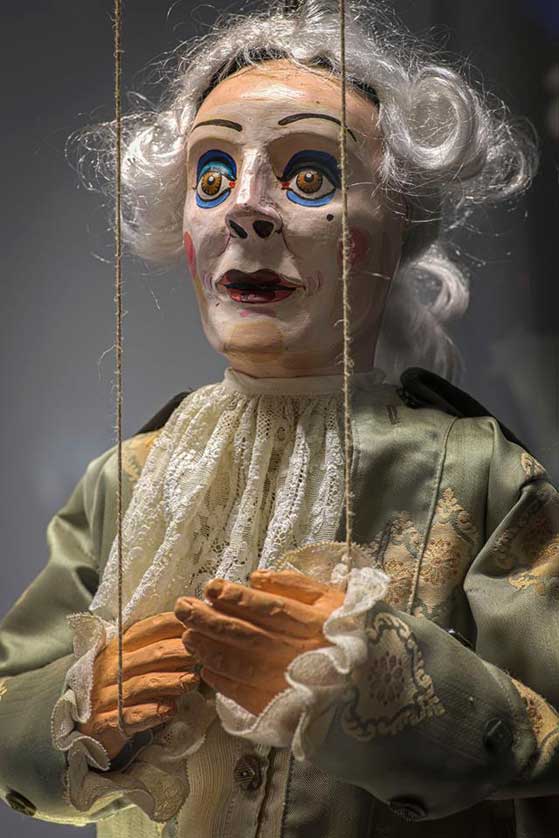
The Puppet Museum (Museu da Marioneta) is housed in the elegant and historic Convento das Bernardas, just a short distance north west of Cais do Sodre Station. The Museu da Marioneta is Portugal's only museum dedicated to puppets, puppetry and puppet theatre and has been at its present location since 2001. From 2008, the Museu da Marioneta also began to display puppets from other parts of the world particularly from Asia (notably Burma, China, India, Indonesia, Sri Lanka, Thailand and Vietnam) as well as Africa to showcase a collection donated by puppet enthusiast Francisco Capelo.

Sporting Museum
The Sporting Museum is dedicated not just to the football team but a total of 32 different sports teams that represent the Sporting name. The museum is divided into eight areas including exhibits on the founding of the club by José Alvalade aka José Alfredo Holtreman Roquette (1885-1918). Other sections include the early history of the club and its various stadia across Lisbon and the many trophies won by the different sporting disciplines of Sporting. A further section is dedicated to the many stars of Sporting including Cristiano Ronaldo, who played for Sporting before his transfer to Manchester United and then Real Madrid. Other Sporting greats include José Travassos, Luis Figo and Alberto Acosta.
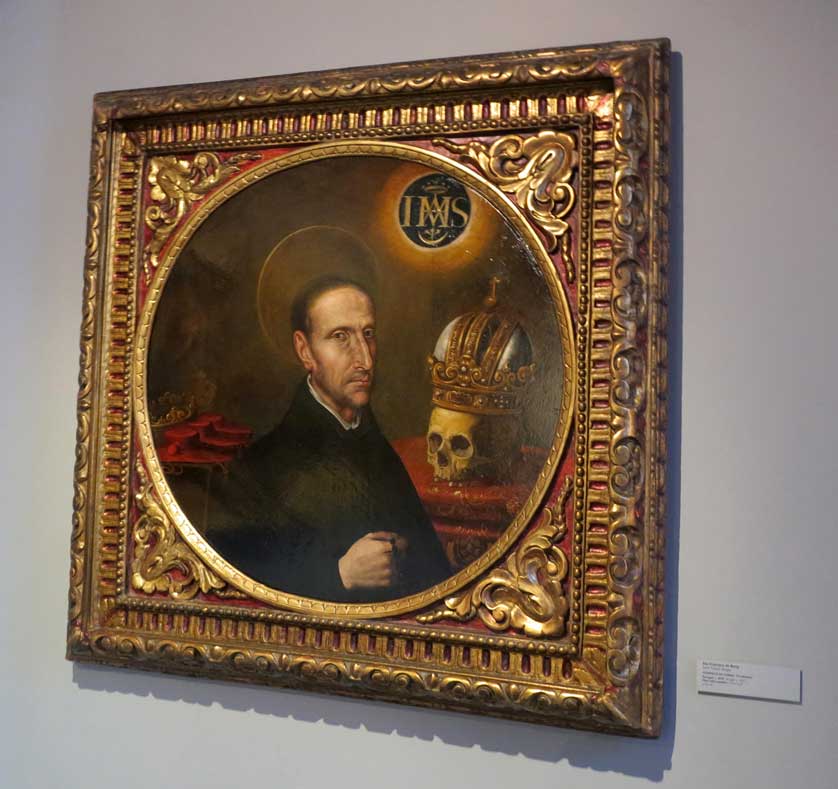
Museum of São Roque
The Museum of São Roque stands adjacent to the superb Church of São Roque in the Chiado district of Lisbon. It occupies what was once the former Professed House of the Society of Jesus. The museum first opened to the public in 1905 and was known as the Museum of the Treasure of the Chapel of Saint John the Baptist. The core of the collection was the Italian art made in Rome associated with the Chapel of Saint John the Baptist. Since then the museum has expanded with the addition of Oriental art that was collected and commissioned by the Jesuits in Asia as well as items donated and bequeathed to the Santa Casa da Misericórdia de Lisboa.
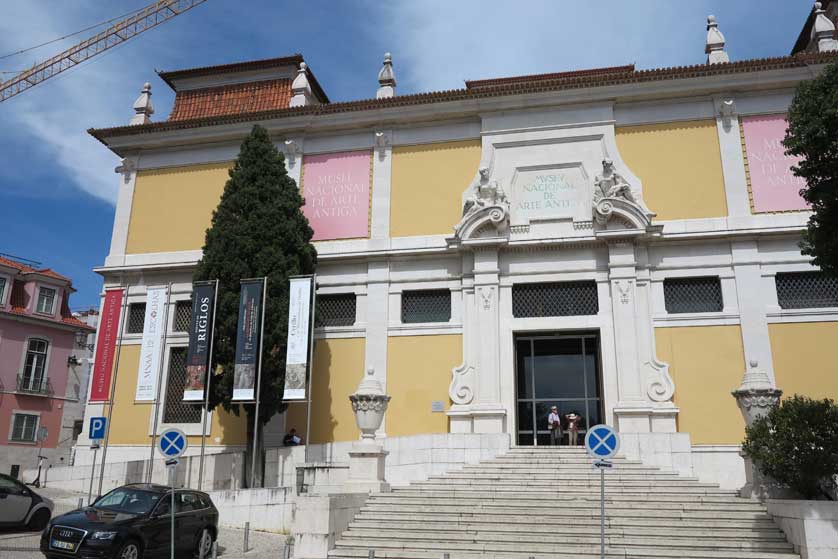
National Museum of Ancient Art
The Museu Nacional de Arte Antiga (National Museum of Ancient Art; MNAA) is Portugal's national art museum. The museum is one of the most visited in the country and contains more works of art classified as National Treasures than any other in Portugal. Altogether the museum has over 40,000 pieces. The collection ranges from the 12th century to roughly 1850 and consists of painting, sculpture, furniture, silver and gold jewellery, as well as decorative arts from the Orient.

National Museum of Ancient Contemporary Art
The National Museum of Contemporary Art (Museu Nacional de Arte Contemporânea; MNAC) in the Chiado district of Lisbon is Portugal's finest contemporary art museum. The museum exhibits mainly Portuguese contemporary art with some major foreign works also on display. As well as the permanent collection, the museum also stages frequent temporary exhibitions.
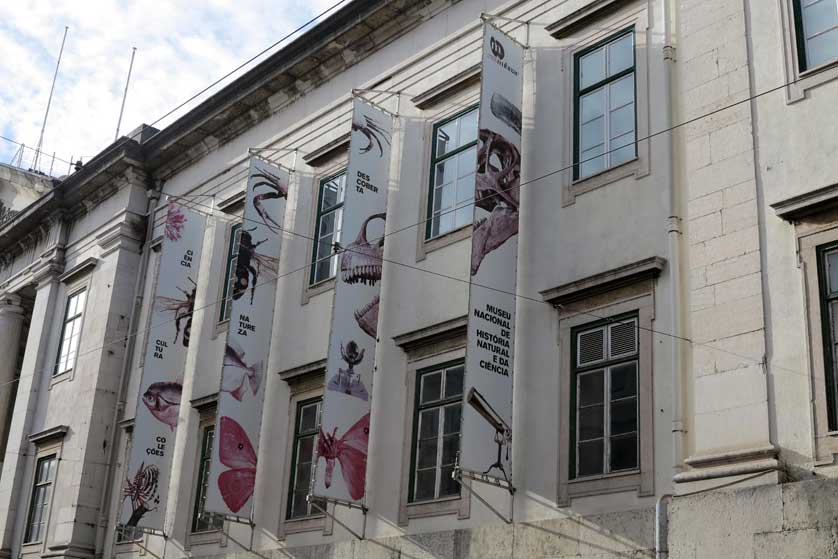
National Museum of Natural History and Science
The National Museum of Natural History and Science (Museu Nacional de História Natural e da Ciência) is part of the University of Lisbon. It is next door to the Botanical Garden (Jardim Botânico da Universidade de Lisboa). The two institutions are physically connected.
The museum is Portugal's major natural history museum and dates from 1926.
The collection at the National Museum of Natural History and Science spans over 250 years and covers various fields.

Teatro Romano
The Teatro Romano (Roman Theatre) in the Alfama district of Lisbon, is now part of the Museu de Lisboa, which also includes the Palácio Pimenta, Santo António, Casa dos Bicos and the Torreão Poente. The Teatro Romano has been completely modernized and renovated and reopened in 2015. It is located close to Lisbon Cathedral and stands on a hill with lovely views of the River Tagus below.
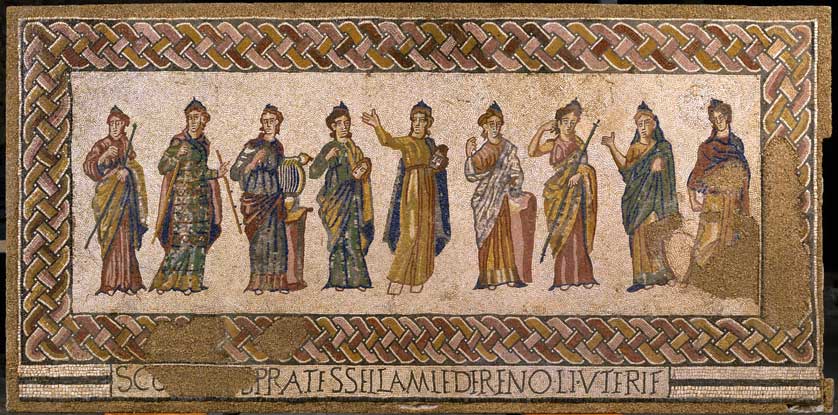
Museu Nacional de Arqueologia
Lisbon's National Museum of Archaeology (Museu Nacional de Arqueologia/MNA) is the largest archaeology museum in the country. The museum opened in 1906 and is the result of the work and passion of archaeologist José Leite de Vasconcelos. It has the largest collection of mosaics from the Roman Period in Portugal, the biggest collection of Classical sculpture in Portugal as well as exhibits of Portuguese and African ethnography.
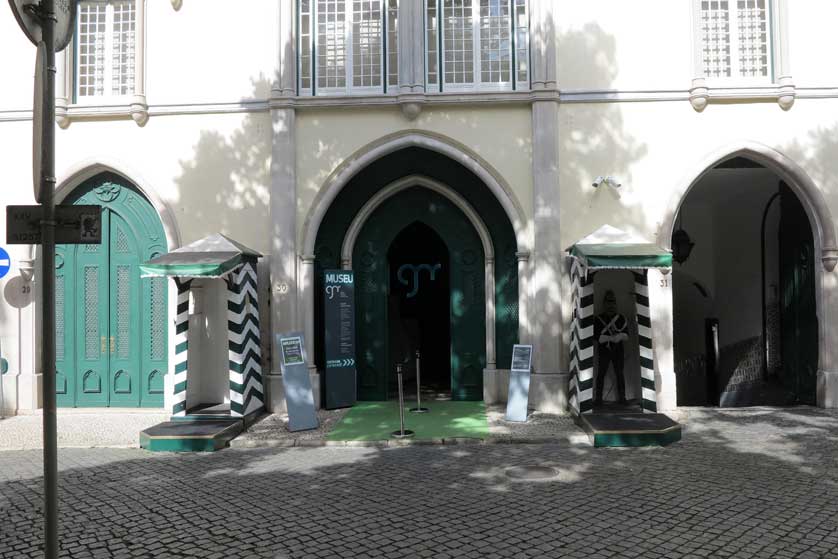
Museu Guarda Nacional Republicana
The Museu Guarda Nacional Republicana (Museu da GNR) is housed in a historic barracks in the Chiado district of Lisbon virtually next door to the Convento do Carmo. The museum has been open to the public since 2015. The building itself has been the site of several incidents of great historical importance. The Museu Guarda Nacional Republicana is dedicated to the history of the GNR and contains both a library and archive. The GNR was created in 1911 following the creation of the First Portuguese Republic in 1910. The GNR is a direct descendant of the previous Guarda Real da Polícia de Lisboa and the subsequent Guarda Municipal. Members of the GNR are military personnel and have served overseas in peacekeeping roles. On display on the three floors of the museum are military uniforms, various vehicles including motorcycles and weapons used by the GNR over the ages. There are also several videos and interactive exhibits giving further information on the force and the historic events that have occurred at the barracks.

National Sports Museum
Lisbon's National Sports Museum (Museu Nacional do Desporto) is housed within the Palácio Foz, one of the capital's several fine palaces, on Praça dos Restauradores.
The museum opened in 2012 to coincide with the centenary of Portugal's participation in the Olympic Games.
The Museu Nacional do Desporto is dedicated to the history of all sport in Portugal including Olympic events, football, tennis as well as many more minor sports and games.
The museum has a large collection of exhibits including medals, photographs, posters, sports equipment (footballs, golf tees, tennis racquets, tennis balls etc), team badges, trophies and many items donated by Portuguese sportsmen and women. The collection continues to grow and presently numbers around 18,000 pieces.
They also include the Golden Boot award donated by Eusebio and pairs of soccer shoes worn by present-day soccer superstar Cristiano Ronaldo.

Quake - Lisbon Earthquake Centre
Quake - Lisbon Earthquake Centre (Daily 10 am-6 pm) is one of the capital's newest museums dedicated to the 1755 Earthquake that devastated Portugal's capital. Visitors can experience interactive technology, video-mapping, and a simulator that recreate the effects of the huge quake. These included a powerful tsunami and fires that raged for a week. The earthquake changed thinking in Europe and helped to create the new science of seismology.