Portugal Castles
Castles in Portugal
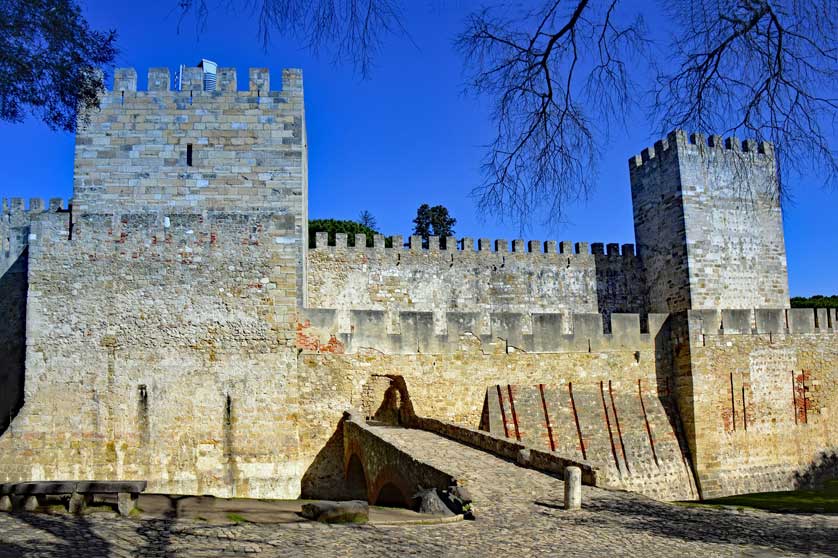
Portugal is scattered with castles (castelo) and forts from the very north of the country to the Algarve in the south.
Portugal was fought over for long periods of its history, by Romans, Visigoths, Moors, Christians and then later by Spanish and French invaders. Castles were built throughout the ages to protect strategic towns and cities.
Many of Portugal's castles may have fallen into disrepair as the country has enjoyed a long period of peace since the expulsion of Napoleon's armies. Some have been restored, nearly all have spectacular views over the surrounding city scapes or countryside.
See a listing of some of the most spectacular castles and fortresses in Portugal in alphabetical order.

Alcoutim Castle
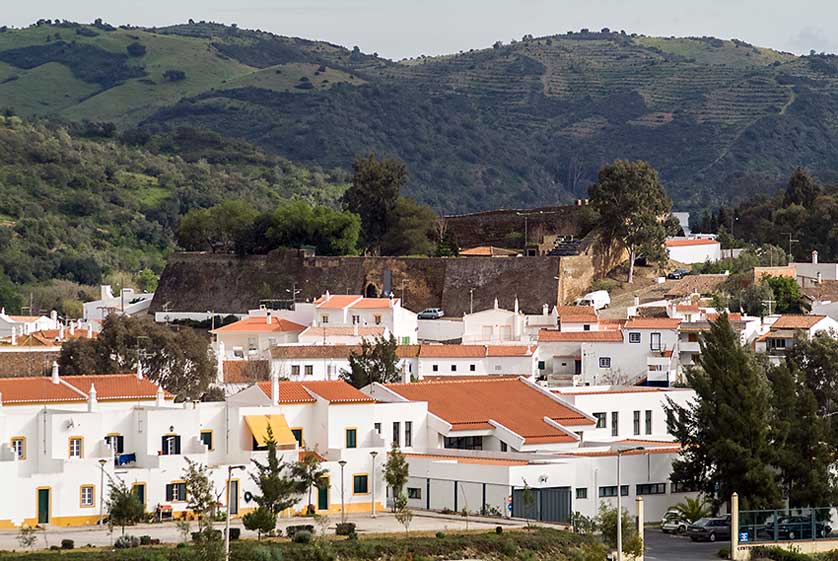
Alcoutim Castle (Castelo de Alcoutim) in Alcoutim is a 14th century Moorish castle which has spectacular views down over the river and a small archaeological museum (Núcleo Museológico de Arqueologia) at the main gates, which outlines the history of the castle including the battles that were fought at its walls. Taken from the Moors in the 13th century by Sancho II of Portugal (1209-1248), the castle's defences were strengthened during his reign and again by King Denis (1261-1325).
Aljezur Castle
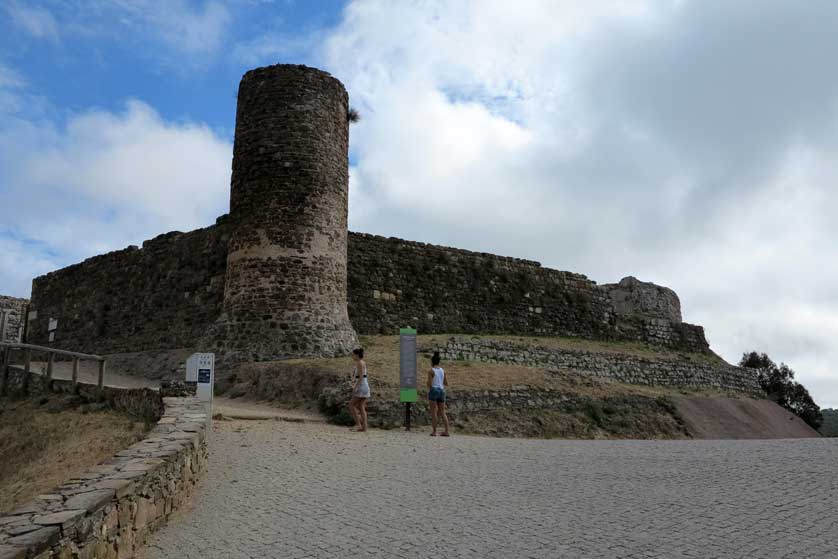
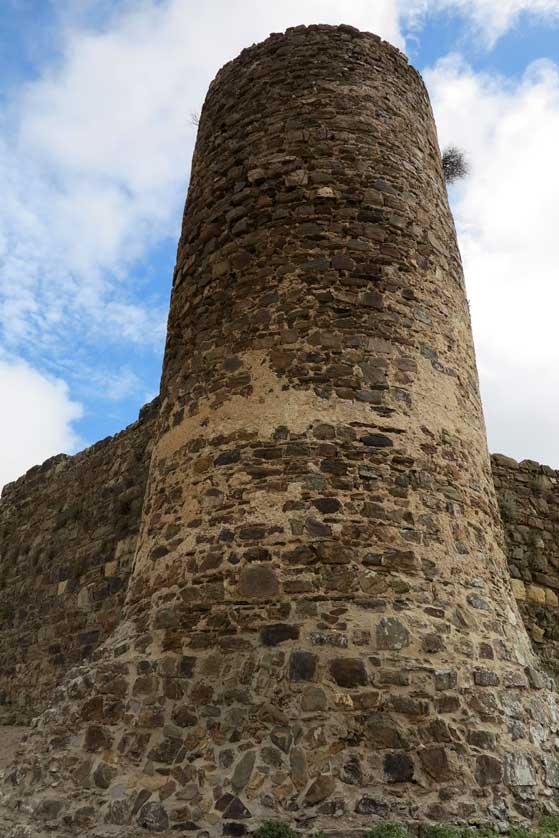
Aljezur Castle (Castelo de Aljezur) in small town of Aljezur in the western Algarve is believed to date from the Iron Age or even earlier during the Bronze Age, 3,000 years ago. Archaeological evidence reveals the site was used later by the Visigoths and Romans.
Aljezur Castle was occupied and renovated by the Moors in the 10th century at the same time as their occupation and construction of Silves Castle. Later the castle was fortified by the Christians after the town was retaken in 1249 by forces commanded by the Master of the Military Order of St. James, Paio Peres Correia, a general in the army of the Portuguese king, D. Afonso III. Aljezur was the last castle in the Algarve to be taken by the Christians. There is a tale of a Muslim maiden betraying the castle due to her love of a Christian knight - most likely untrue.
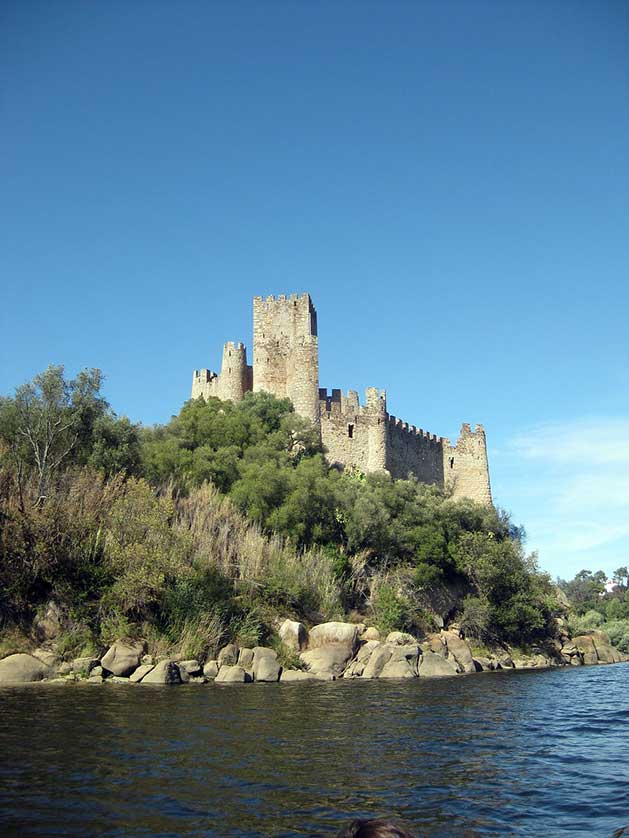
Almourol Castle
Almourol Castle (Castelo do Almourol) is one of Portugal's most spectacular castles, located on a small island in the River Tagus. When the original castle was retaken during the Reconquista in 1129, it was remodeled by Gualdim Pais, the regional commander of the Knights Templar in Portugal, who also built the equally spectacular Convento de Cristo in Tomar (see below).
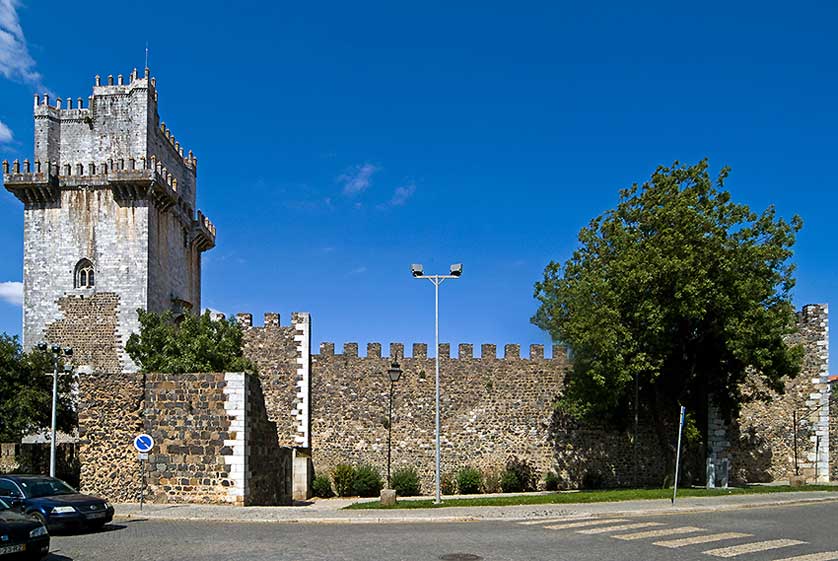
Beja Castle
The Castelo de Beja in Beja in the Alentejo was constructed by Dom Dinis and the 42 metre-tall Torre de Menagem has great views over the surrounding countryside. Various Portuguese monarchs had a hand in various stages of construction of the castle. Dom Dinis built the impressive tower in 1310 and the walls were completed in the middle of the century. Manuel I improved the defences of the castle in the 16th century and more improvements took place in the 17th century. Later in the 19th century parts of the castle were demolished. The grounds contain the free Museu Jorge Vieira - Casa das Artes within what was once the Casa do Governador (Governor's Residence). On display are sculptures, models and drawings by the modernist Portuguese artist Jorge Vieira (1992-1998).
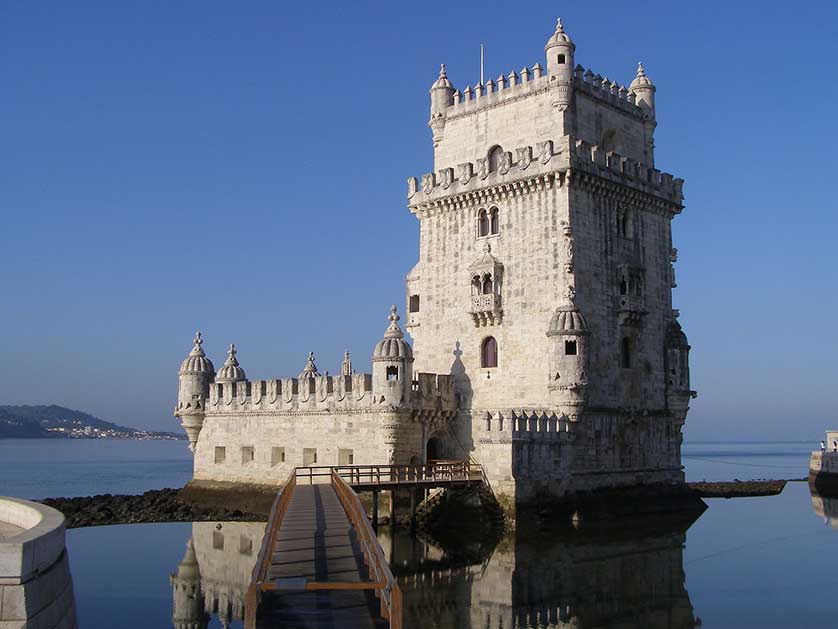
Belem Tower
A UNESCO World Heritage site, the 35 meter-high Belem Tower was designed by the military architect Francisco de Arruda between 1514 and 1520 as part of a defensive system at the mouth of the River Tagus. The fortress was named the Torre de Sao Vincente de Belem after the patron saint of Lisbon. The tower is Manueline in style with the customary motifs of armillary spheres, Templar crosses and thick ropes and also shows the Moorish influences on Arruda's design - he had built a number of forts in North Africa previously. Diogo de Boitaca, the initial chief architect of the Mosteiro dos Jeronimos, is also thought to have participated in constructing the building.
Castelo de Belver
Belver Castle (Castelo de Belver) is one of Portugal's most beautiful castles and was built by the Order of the Hospitallers in the late 12th to earlier 13th centuries on the border between Christian and Islamic Portugal. Belver Castle has a rectangular keep circled by walled, crenellated parapets and overlooks the Tagus River. There are beautiful views of the river below.
Braga Castle
Not much of Braga Castle (Castelo de Braga) now remains except for an impressive tower that was the castle's keep (Torre de Menagem). Braga Castle is located close to the Antigo Paço Arquiepiscopal (Archbishop's Palace) and on the edge of Praça da República. The once proud Medieval castle and its walls were gradually destroyed in the 19th and 20th centuries.
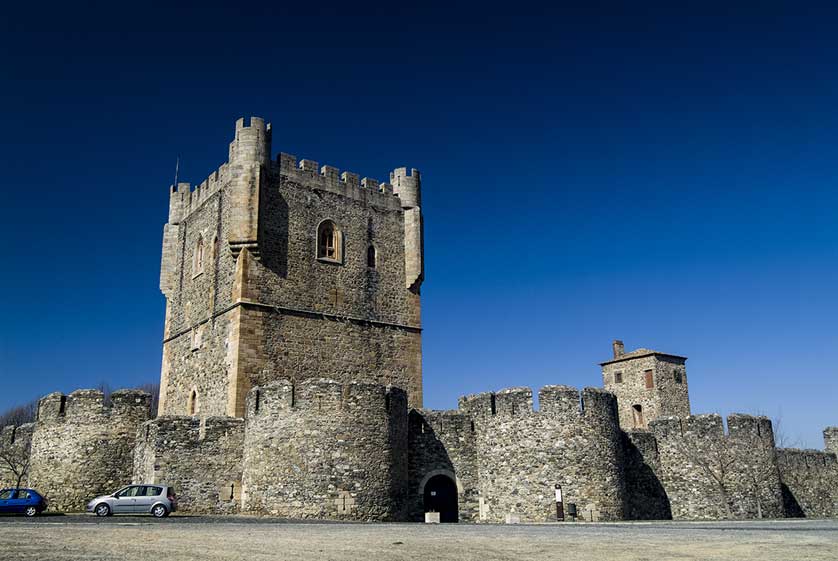
Bragança Castle
Bragança's castle is part of the historic walled citadel (Cidadela) that sits atop a 680-metre-high hill in the town. It is believed that a fort may have stood here in Bragança during Roman and Moorish times though the castle we see today dates back to the 12th century with early 15th century additions by King João I. The Torre de Menagem (keep) is 33m tall and was occupied by the Portuguese military in to the 20th century. It now houses a Museu Militar (Miltary Museum) of which there are many throughout Portugal. On display is an interesting assortment of suits of armour, cannons and swords as well as information on Portugal's colonial wars in Angola and Mozambique. There are wonderful views out over the surrounding countryside from the top floor of the museum.
Castelo de Vide
The Castelo de Castelo de Vide in the town of Castelo de Vide in the Alentejo region of Portugal was built by Dom Dinis and his brother Afonso between 1280 and 1365.
The 12-meter high square tower on the southern side affords superb views over the town. Inside the castle is a small museum part Military Museum, part Archaeological Museum.

Convento de Cristo
The Convento de Cristo in Tomar is part church, part castle, part monastery and the supreme example of Templar architecture in Portugal. Located on a hill above the town of Tomar, the historical site and a UNESCO World Heritage Site covers around 45 hectares and was founded in the 12th century by the Knights Templars.
Elvas Castelo
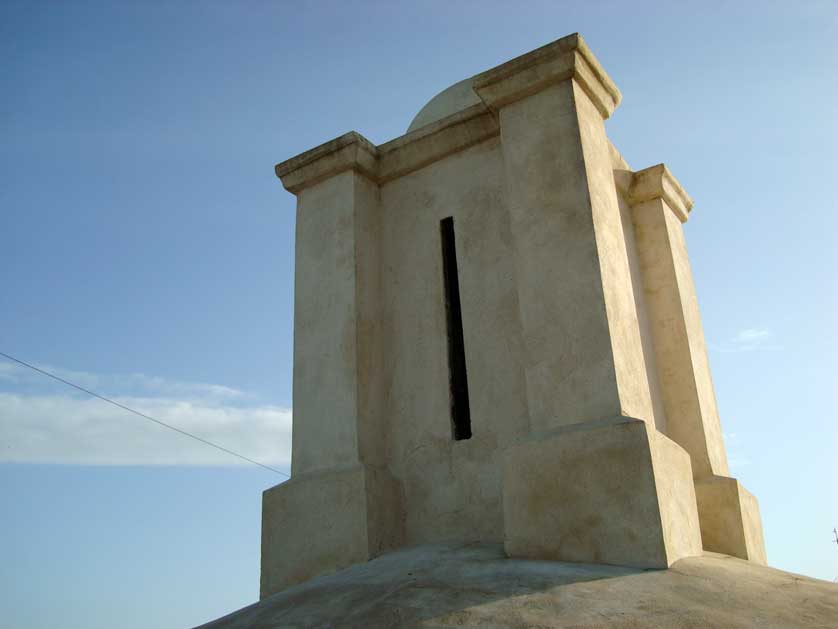
Elvas' star-shaped walls were designed in the 16th century by the Flemish Jesuit engineer Cosmander, along with Correia Lucas and Nicolau de Langres, and the city is still entered through their impressive gates: the Olivença Gate in the south; the Esquina Gate in the west and the São Vincente Gate to the north. Elvas also has two outlying forts, the Forte de Graça to the north and the superb Forte de Santa Luzia (Tel: 268 628 357) to the south. There are great views from Santa Luzia and admission is free. Elvas' Castelo de Elvas has been built on Roman and Moorish remains and for a small entrance fee, visitors can walk the battlements with a view out to Forte de Graça.
Evoramonte Castle
Evoramonte Castle (Castelo de Evoramonte) dates from the 14th century and then was enlarged in the Manueline style in the early 16th century. Its unique design encompasses four cylindrical towers. It was here that the Convention of Evoramonte was signed in 1834 ending a brief civil war in Portugal. The castle has superb views over the surrounding countryside.
Fort of Santa Catarina
The Fort of Santa Catarina (Fortaleza de Santa Catarina) in the beach resort of Praia da Rocha in Portimão on the Algarve dates from 1621. Along with the Fort of São João do Arade on the opposite bank of the river in Ferragudo, it protected the entrance to the River Arade.
Fort of São João do Arade
The Fort of São João do Arade, along with the Fortaleza de Santa Catarina, was constructed to protect the mouth of the River Arade on the Algarve and incursions by pirates further inland to Silves.
Guimarães Castle
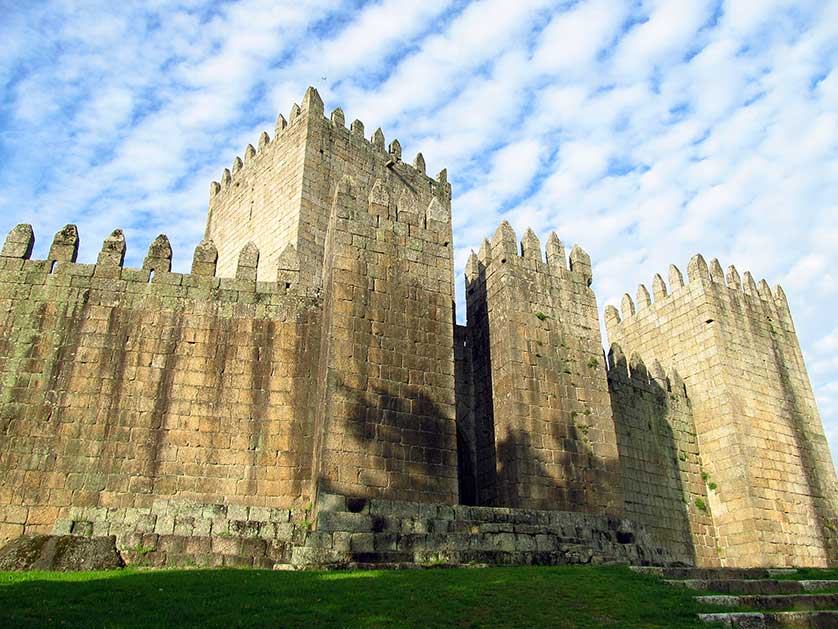
Guimarães Castle (Castelo de Guimarães) in Guimarães dates from the 10th century and is thought to be the birthplace of Afonso Henriques, who became King Afonso I of Portugal. The castle was first built to defend the town and its monastery from attack by Moors and Normans. Guimarães Castle has a central keep (Torre de Menagem) and seven towers. Just outside the walls is the small chapel of São Miguel do Castelo.
Lagos Fort
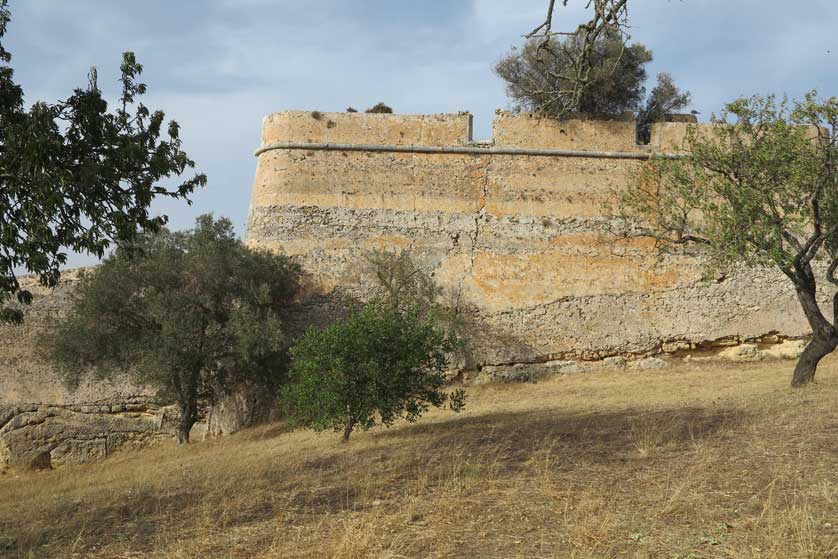
Lagos Fort (Ponta da Bandeira or the Fortress of Nossa Senhora da Penha de França) stands on the seafront in the old town of Lagos on the Algarve. It dates from 1690 and was built to protect the town from pirates. It now houses a small art gallery and a pretty chapel. Another historic fortress nearby is the Castelo dos Governadores first built by the Moors and strengthened after the Reconquista. It was from the Manueline Window here that Dom Sebastião addressed his troops before leading them to disaster at the Battle of Alcácer-Quibir in Morocco in 1578. The Castelo dos Governadores was part of the defensive walls that once surrounded the whole town of Lagos, parts of which can still be seen.
Leiria Castle
Dom Afonso Henriques, the first King of Portugal, reconquered the Moorish castle for the Christians in 1135 that is set on the hilltop where Leiria now stands. This is around 6 km from an older settlement founded by the Romans called Colippo. Leiria Castle was, however, recaptured by the Moors in 1190. Two years later King Dom Sancho I finally retook it and rebuilt the walls. Leiria Castle has a pleasant garden within its walls and a ruined 12th century church, the Igreja de Nossa Senhora de Penha.
Lisbon Castle
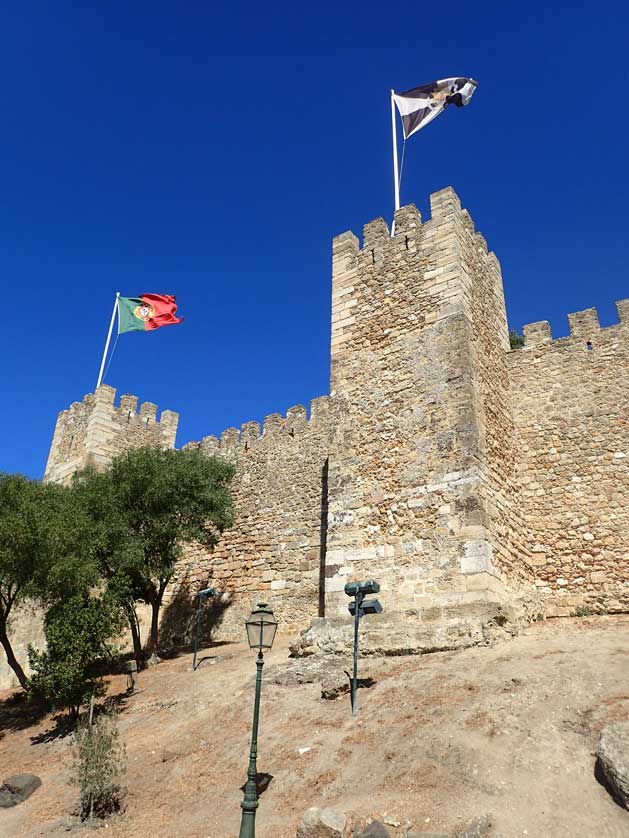
Lisbon Castle (Castelo de São Jorge) dates from the Moorish period and has wonderful views over the historic centre of the capital. The perimeters of the present Lisbon Castle were set out by the Moors. Legend has it that the castle was taken from the Moors in 1147, when a certain Martim Moniz, a Portuguese nobleman, threw his body in front of an open door during the bitter siege, to allow the invading Portuguese and Crusader army to storm the fortress.
Loulé Castle
Loulé Castle (Castelo de Loulé) in the historic and pleasant city of Loulé in the Algarve dates from the 13th century. It was built over a previous Almohad (Moorish) fort. The castle was taken by the Christians in 1249 during the Reconquista by Dom Paio Peres Correia. King Afonso III then expanded the castle adding towers and walls later in the 13th century. These were subsequently rebuilt again in the 15th century by Henrique de Meneses, 1st Count of Loulé.
Castelo de Marvão
The Castelo de Marvão in Marvão in the Alentejo has its roots in a fortress constructed by the Muslim lord Ibn Marwan in the 9th century. After the fall of the castle to the Christians Dom Dinis built the keep and strengthened the walls.
The castle was attacked by Spanish forces during the Restoration War (1640-1668) and again in the early 18th century.
The castle grounds include a huge cistern to provide water in times of siege.
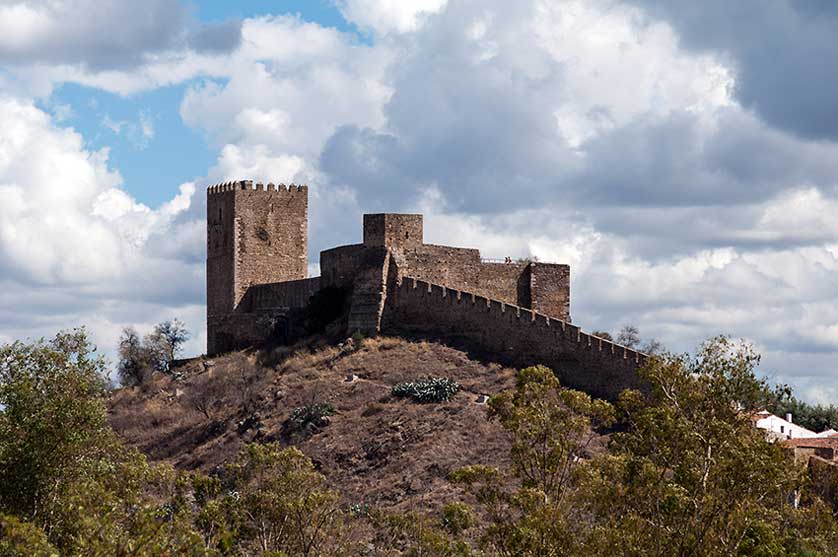
Mértola Castle
The Castelo de Mértola in Mértola was originally from the Moorish period but the splendid keep dates from the 13th century from the period after the Reconquest. Just outside the castle walls is the former Moorish quarter the Alcácova do Castelo, which has metal walkways over the various historical layers of Mértola: Roman drains, Moorish walls and a later Christian cemetery. The castle's donjon (keep) contains a small museum with archaeological finds including many pieces from the Islamic period.

Monsanto Castle
Monsanto Castle (Castelo de Monsanto) in the tiny, picturesque village of Monsanto in the Beira Baixa region now lies in ruins.
Gualdim Pais, the founder of Tomar and the Convento de Cristo, built the castle after Monsanto was taken back from the Moors in the 12th century.
Monsanto was voted the nation's "most Portuguese" village during the authoritarian Salazar era and is best reached by hire car rather than infrequent bus.
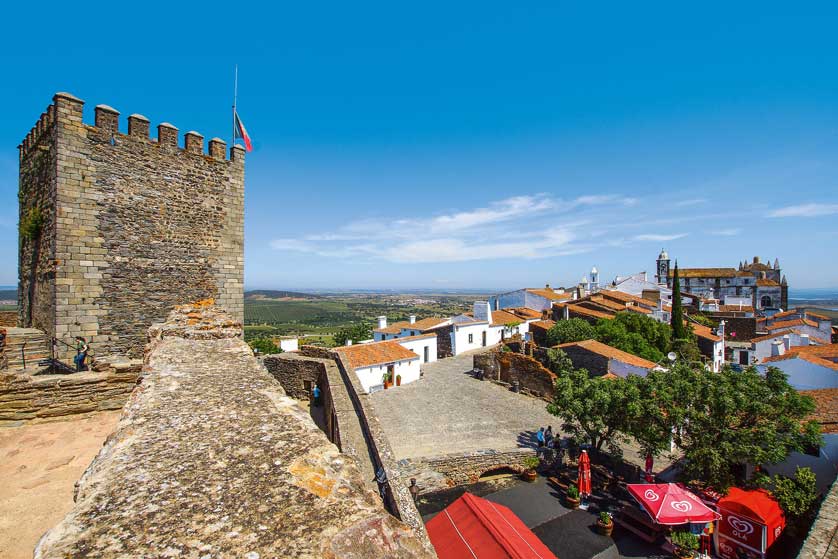
Castelo de Monsaraz
The Castelo de Monsaraz and its Torre das Feiticeiras (Witches' Tower) are two of the main attractions in the walled village of Monsaraz in the Alto Alentejo region. The fortress was taken from the Moors by Geraldo Sem Pavor (Gerald the Fearless) in 1167.
It was then given to the Knights Templar and later the Order of Christ to garrison. The castle became one of a series of forts kept by King Dinis (1261-1325) to protect the border with Castile. As well as the castle, further protection is afforded by the city walls. The main entrance to the village is through Porta da Vila, reinforced by two towers. Another gate, the Porta d'Evora, is also guarded by a rectangular tower.

Óbidos Castle
The site of Óbidos Castle (Castelo de Óbidos) in Óbidos was occupied by the Romans, Visigoths and later the Moors, who fortified the town in the 8th century. The original Moorish castle was further expanded and strengthened after the Christian Reconquista. The Paço dos Alcaides (Palace of the Alcaldes) within the castle is now a luxury, 4 star pousada, the Pousada Castel de Obidos. The palace has some lovely architectural flourishes such as its Manueline windows. A passageway connects the palace and the Church of Santiago.
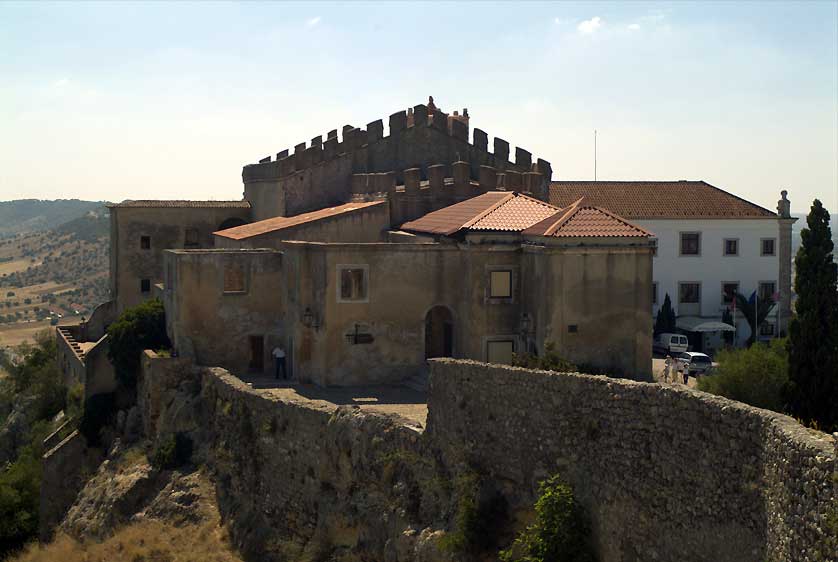
Palmela Castle
Palmela Castle (Castelo de Palmela), in the small town wine-producing town of Palmela, is one of Portugal's most pretty castles. Perched on a hill, there are superb views out over the wine terraces and surrounding countryside. Nowadays part of the castle is occupied by the luxurious, four-star Pousada Castelo de Palmela. The castle was fought over by Christians and Moors and changed hands several times. Palmela is 10 km north of Setúbal and makes for an easy day trip from here or Lisbon.
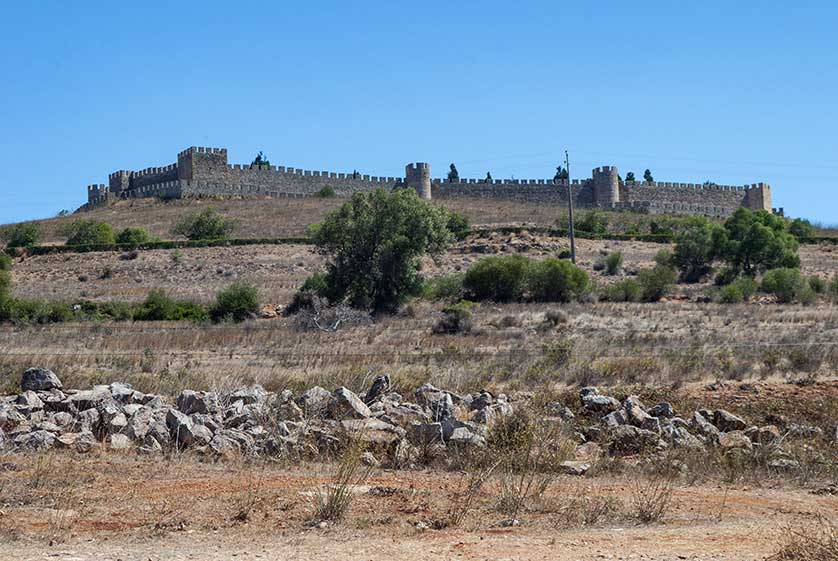
Santiago do Cacém Castle
The main attraction in Santiago do Cacém is the magnificent Castelo de Santiago do Cacém which dominates the hilltop around which the town has grown. Parts of the Moorish walls still survive but the castle was enlarged and strengthened during the medieval period. The castle is basically rectangular in layout with ten square towers and an impressive and imposing keep.
Castelo de São Tiago da Barra
The Castle of Santiago da Barra (Castelo de São Tiago da Barra) in Viana do Castelo is located close to the mouth of the River Lima on its north bank. The original 15th century Manueline fort was expanded by Philip II of Spain (Philip I of Portugal) in 1592 to guard the approaches to the town from pirates. This would have been a time when the town was prospering during the Age of Discoveries, when riches from the Indies and Americas came to Viana do Castelo. The thick, stone walls of the fortress are in the shape of a classic pentagon and are further protected by corner turrets and a ditch or moat. The rectangular castle grounds within the walls contain a chapel (Chapel of Santa Catarina) dedicated to the safety of seafarers.

Serpa Castle
Serpa Castle (Castelo de Serpa) in Serpa in the Alentejo region of Portugal was originally built by King Dinis after the Moors were finally expelled in 1232. The castle gradually fell into disrepair until it was classified as a National Monument in 1954, and restoration work began. The castle houses the Serpa Archaeology Museum.
Sesimbra Castle
Sesimbra Castle (Castelo de Sesimbra) in the town of Sesimbra lies on a steep cliff overlooking the Bay of Setúbal. It was built over a previous Moorish fort dating back to the 9th century. The site of the castle we see today is believed to have been settled in Prehistoric times. During the Muslim period of Portugal's history the town of Sesimbra was known as Alcáçova. The castle was first taken by D. Afonso Henriques, the first King of Portugal in 1165. In 1191, however, it was retaken by the Almohads and largely destroyed. In 1199 King Sancho I, with the assistance of Crusaders on their way to Palestine, finally occupied the castle.
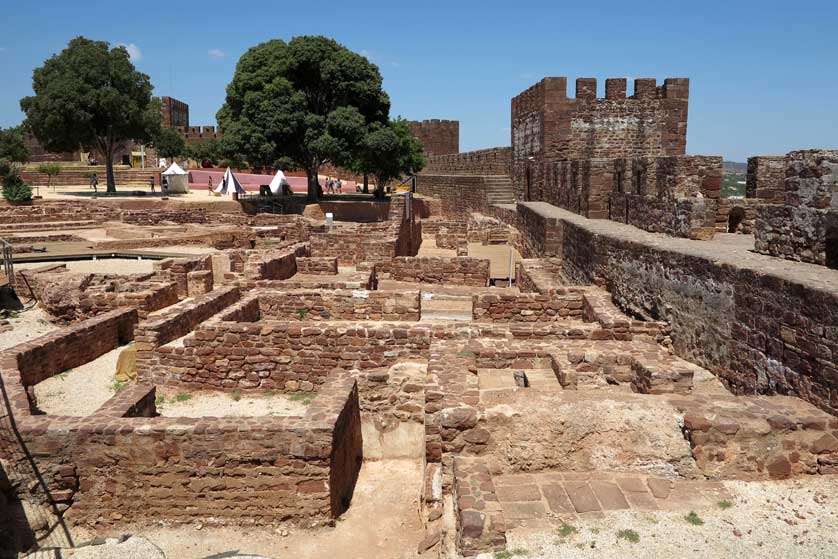
Silves Castle
Silves Castle (Castelo de Silves) in Silves in the Algarve may date from around the 8th century. First mention of a Moorish castle on the site was made by the historian and geographer al-Razi in the 10th century. Silves Castle stands on the summit of the hill rising up from the Arade River and views of the castle's battlements dominate the skyline of the town and surrounding countryside and are particularly pretty when the castle walls are illuminated at night. It is possible the castle we see today was built over an existing Roman or Visigoth fortress. Silves Castle was classified as a National Monument in 1910 and is one of the finest examples of an Islamic period castle in Portugal. Silves Castle and its environs plays host to the annual 10-day long Silves Medieval Fair in August.
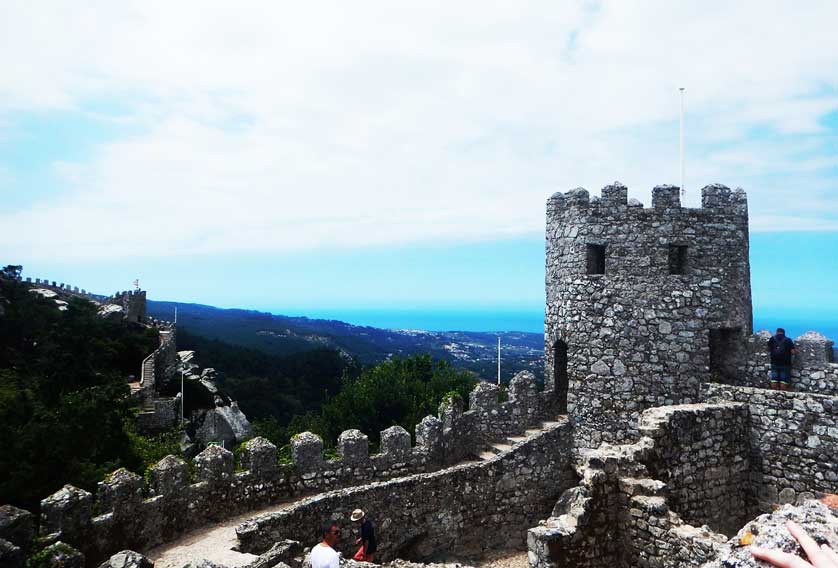
Sintra - Castle of the Moors
The Castle of the Moors (Castelo dos Mouros) in Sintra outside Lisbon is an historic fort built by the Moors in the 8th and 9th centuries. The castle was captured by Afonso Henriques (1109-1185) in 1147 and was no longer in use by the 15th century. Damage to the walls and the chapel on the site (Chapel of São Pedro de Penaferrim) occurred in the 1755 Lisbon earthquake and the site became a "romantic ruin" during the reign of Don Fernando II (1816-1885) in the 18th century.
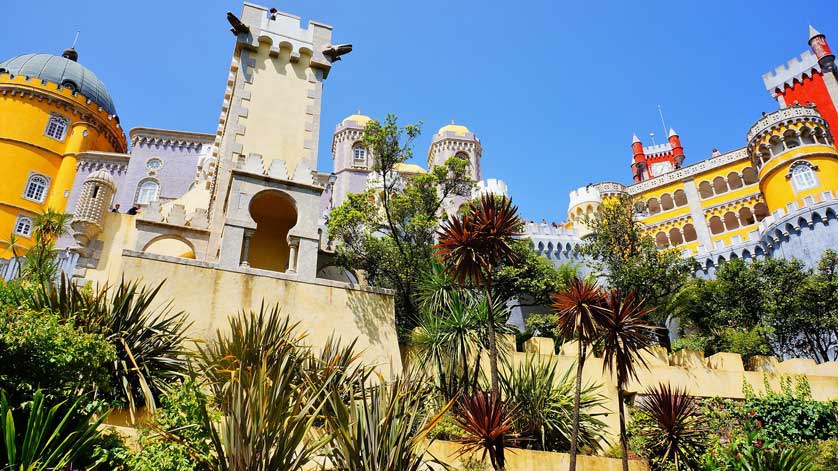
Sintra - The National Palace of Pena
Pena Palace in Sintra is famous as Europe's most Romantic-style castle built in the mid-19th century when Romanticism was at its height. The king consort in the mid-19th century, Ferdinand II, a German by birth, was charmed and fascinated by a former chapel and ruins of the monastery on the site and set out rebuilding what had been the old monastery as a royal summer residence.

Tavira Castle
Tavira Castle (Castelo de Tavira) in Tavira in the Algarve is one of the town's most visited attractions. The castle is a pleasant place to wander to enjoy the garden at the top beneath the stone walls. Tavira Castle has fine views over the town and the Gilão River. The present castle has its origins in the 11th century though some kind of fortress has probably stood here since Phoenician times in the 8th century BCE.

Torre de Menagem & Military Museum (Museu Miltar), Chaves
The Torre de Menagem in Chaves, is all that remains of the original 14th century castle completed during the reign of King Dinis I (1261-1325). Inside the keep is a small Military Museum (Museu Militar). The square Gothic keep, made from local granite, has four floors which now house a Military Museum with exhibits of cannon, muskets and other military equipment and uniforms from various conflicts, including Portugal's wars in its overseas colonies in the 1960's and 1970's. The keep and city walls were remodelled during the Portuguese Restoration War (Guerra da Restauração) between Portugal and Spain that continued off and on from 1640-1688.
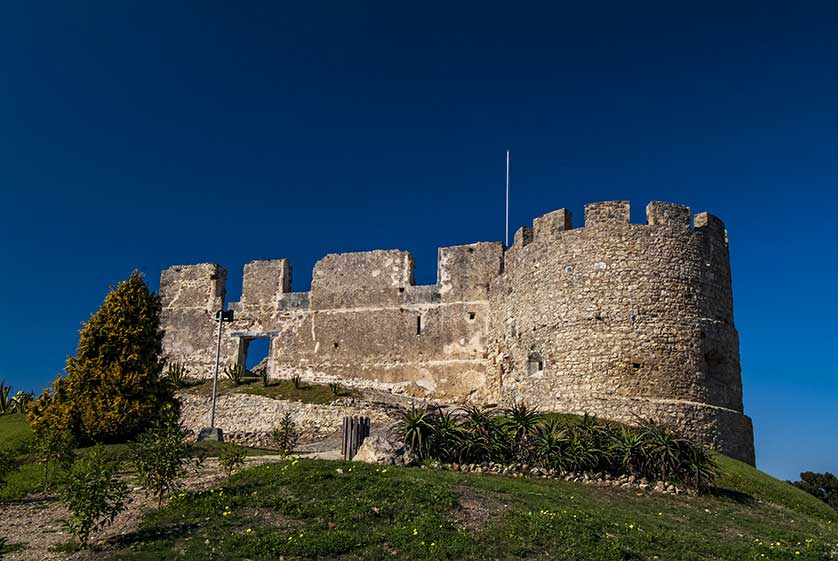
Castelo de Torres Vedras
The original Moorish Castelo de Torres Vedras rises up from a small hill in the center of the small town of Torres Vedras in Estremadura.
Although it was damaged in the 1755 Earthquake the walls still survive and the slopes of the hill on which it stands are covered with pretty poppies in spring.
The castle's architecture is a mix of Gothic and Manueline.
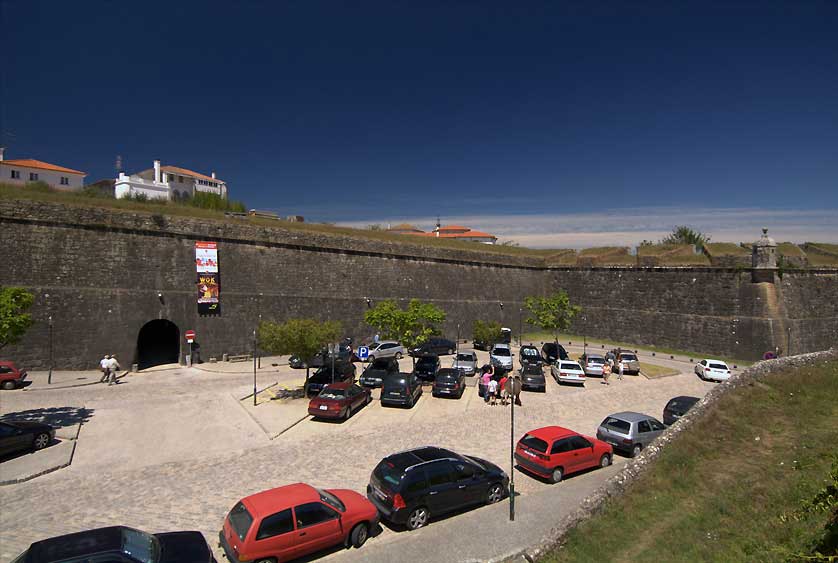
Valença Castle
The fortress in Valença on the River Minho guards the northern approach to Portugal from Spain over the river. The fortress (Fortaleza de Valença) we see today dates mainly from the 17th century, though the first fort here was built in the reign of King Afonso III to protect the nation from invasion from Spain. There are, in fact, two fortresses joined by a bridge. The town is still invaded by the Spanish but they now come in peace and to shop.
Viana do Alentejo Castle
Viana do Alentejo Castle was constructed by King Dinis (1261-1325) in 1313 on a pentagonal plan. The castle was expanded in the late 15th century by both Dom João II and Dom Manuel I. This period of construction produced the castle's distinctive witch's hat-shaped towers and battlements. There are two Manueline churches within the walls, the Igreja da Misericórdia and Igreja Matriz de Nossa Senhora da Anunciação de Viana do Alentejo.
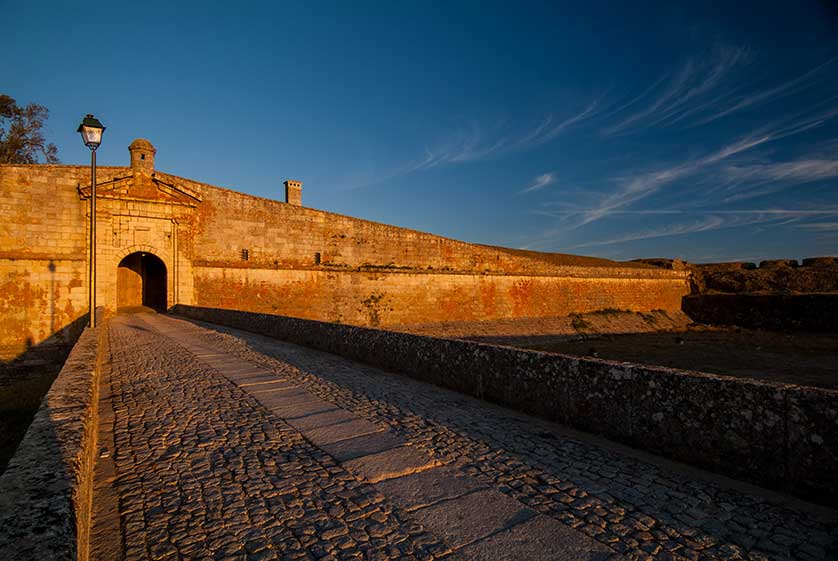
Almeida Fortress
The superb Castle Fortress of Almeida (Castelo e Fortaleza de Almeida) in Almeida in the Beira Alta region near the border with Spain is the main attraction in town and a marvel of military engineering. Visitors can walk the 2.5 km of double-hexagon walls and admire the historic architecture. Construction of the current fortifications began in earnest in 1641 and continued throughout the seventeenth and eighteenth centuries. Almeida played an important role in several military campaigns, including the Peninsular War, when a massive explosion in 1810 severely damaged parts of the fortress during a successful French siege. The massive explosion killed killed 600 defenders and wounded 300 others. The British commander of the Portuguese forces, William Cox surrended the castle the following day.
Map of Castles in Portugal