Museums in Cascais
The Atlantic resort town of Cascais, at the mouth of the River Tagus, west of Lisbon, has a number of fine museums, making it worth visiting from Lisbon on a day trip or finding the time to stay for longer.
Casa das Historias Paula Rego

The Casa das Historias Paula Rego is dedicated to the paintings, drawings and graphic work of the UK-based, Portuguese artist Paula Rego. Set in a beautifully designed building by Pritzker Prize-winning architect Eduardo Souto Moura (who also designed Braga Municipal Stadium and the Trinidade metro station in Porto), the Casa das Histórias is a great place to spend a couple of hours admiring the art and maybe stop for lunch or a drink in the pleasant cafe/restaurant.
Museu do Mar
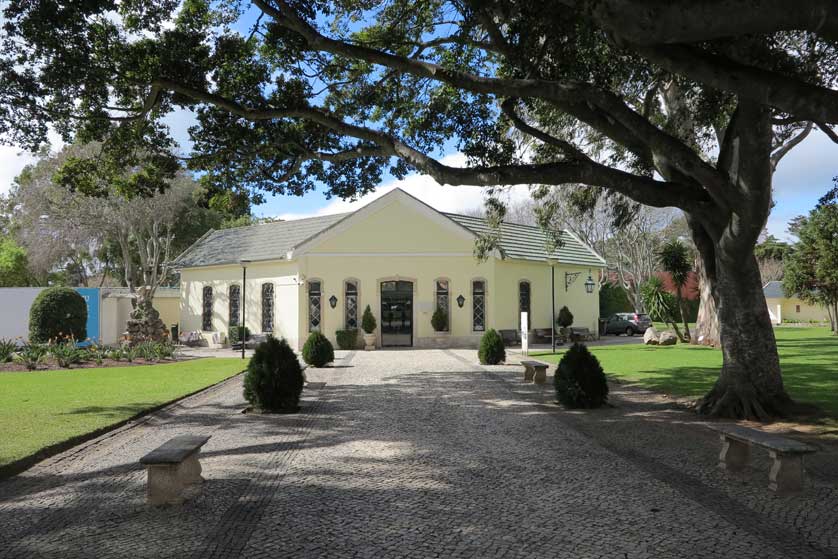
The Museu do Mar Cascais (Museum of the Sea) in Cascais is situated adjacent to the Casa das Histórias Paula Rego and would appeal to people interested in marine biology and Portugal's profound relationship with the sea. The museum's building is the former Sporting Clube de Cascais, sponsored by King Carlos I (1863-1908), which was the venue for open-air games including tennis, cricket and the first game of football played in Portugal. Before his assassination in 1908, King Carlos I had a passion for deep-sea and nautical exploration and there are statues of the monarch scattered around Cascais where he liked to spend much of his free time near the ocean.
Museu Condes de Castro Guimarães

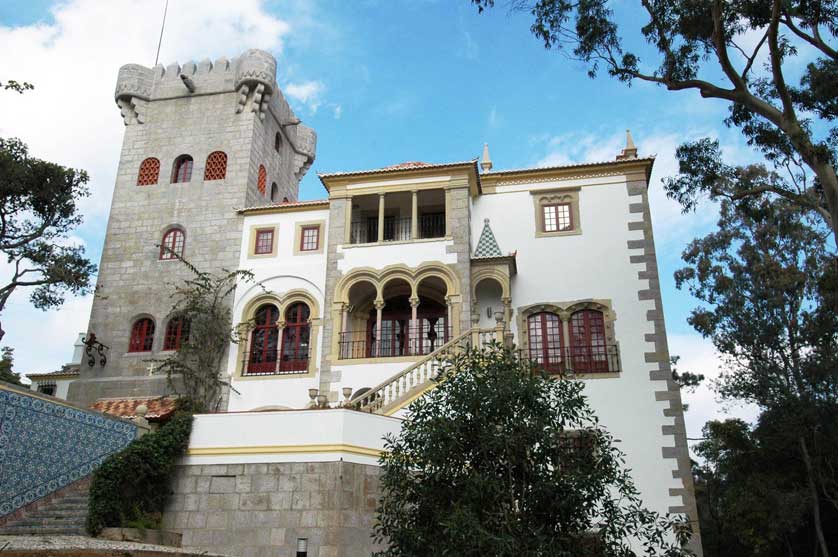
Museu Condes de Castro is located within the Parque Municipal da Gandarinha, close to the sea front. The building was once a mansion belonging to the counts of Guimarães. The exquisite interior of the Museu Condes de Castro Guimaraes displays original antiques including Chinese lacquered folding screens, azulejos tiles, ceramics, furniture, paintings, statues and jewelry. The Museu Condes de Castro Guimaraes is a fine example of "summer residence" architecture incorporating chimneys reminiscent of medieval palaces, fortified towers, Manueline arcades, Italian verandas, pointed arched windows, Byzantine domes and other features of Romantic architecture, mixed in with neo-Gothic and neo-Arab elements in the eclectic design.
Santa Marta Lighthouse Museum

Opened in 2007, the Santa Marta Lighthouse Museum was designed by architects Francisco and Manuel Aires Mateus. The structure consists of the 19th century lighthouse built over a 17th century fort. The museum highlights the history of the many lighthouses along Portugal's coast from the 15th century onwards and the life of the lighthouse keepers documented through diaries and videos.
Museu da Vila (Cascais Town Museum)

The Museu da Vila, housed in the Town Hall, introduces the history of Cascais from prehistoric times to the present day. Multimedia exhibits enable visitors to browse the history of Cascais at their leisure, photographing themselves in 1900, listening to some of the greatest hits of international and Portuguese music on a radio from the 1930s, or using interactive panels to discover the reality of the town during World War II. Among other innovations in the renovated museum, there is the possibility of watching films provided by the National Archive of Images in Motion (Arquivo Nacional de Imagens em Movimento) and the RTP Archive. It is free to visit and open from 10 am to 6 pm.
Museu da Música Portuguesa
Housed in the beautiful Casa Verdades de Faria, a former 18th-century palace in nearby Estoril, the small Museum of Portuguese Music (Museu da Música Portuguesa) contains a collection of Portuguese musical instruments and is also used for regular recitals of traditional Portuguese music.
The museum features a diverse collection of musical instruments, artifacts, and memorabilia spanning various periods and genres of Portuguese music. Visitors to the Museu da Música Portuguesa can explore exhibits showcasing traditional folk instruments, such as the Portuguese guitar, fado viola, and regional percussion instruments. The museum also highlights the evolution of Portuguese music through the centuries, from medieval troubadours to contemporary composers and performers. The original collection was a gift from the French ethnomusicologist Michel Giacometti, who spent much of his life in Portugal studying and recording popular oral traditions which were if danger of being lost or forgotten. The Casa Verdades de Faria is 20 minutes on foot north of Estoril Station.
Book Air Tickets to Portugal & Madeira
Map
