Cathedrals, Churches & Chapels in Viana do Castelo

Portugal is a land full of churches. Even the smallest village in the most remote area of the country will have a church. Churches are often still a focus of community life in Portugal as well as repositories of local and national history, fine architecture and the well-spring of many local festivals.
Viana do Castelo, in the Minho region of Portugal, has a number of outstanding churches.
See a listing of churches in Viana do Castelo in north west Portugal.
Cathedral (Sé)
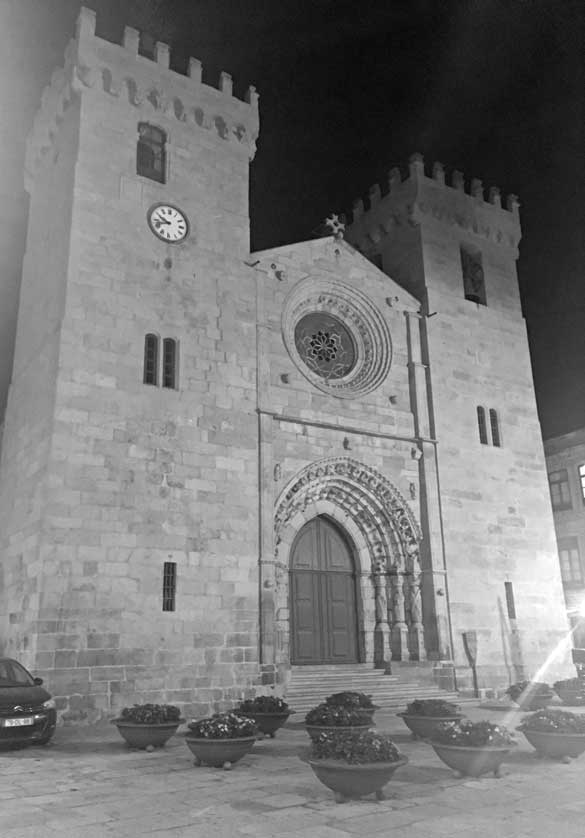
The Romanesque Cathedral (Sé) in Viana do Castelo dates from the early 15th century. The entrance arch is decorated with sculptures of the Apostles Peter, Paul, John, Bartholomew, Andrew and James. The façade is flanked by two large towers topped by battlements. The interior is in the shape of a Latin cross with several side chapels.
Igreja da Misericórdia
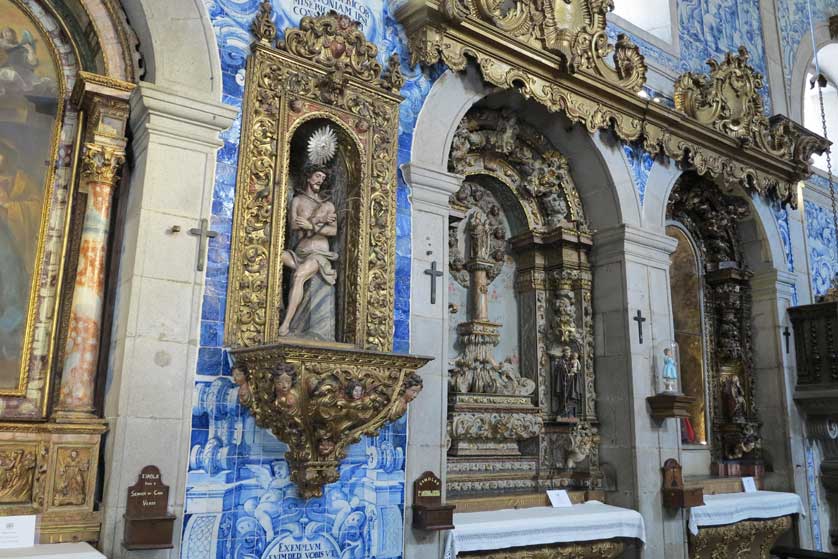
The Igreja da Misericórdia originally dates from 1589 with renovations in the early 18th century by Manuel Pinto de Vilalobos. The altar is a superb work of gilded, wooden carving by Ambrosio Coelho with azulejos wall tiles by Policarpo de Oliveira Bernardes. The ceiling frescoes are the work of Manuel Gomes. The organ dates from the 18th century and was made by Lourenço da Conceiçao. A small anteroom at the entrance shows works by local artists.
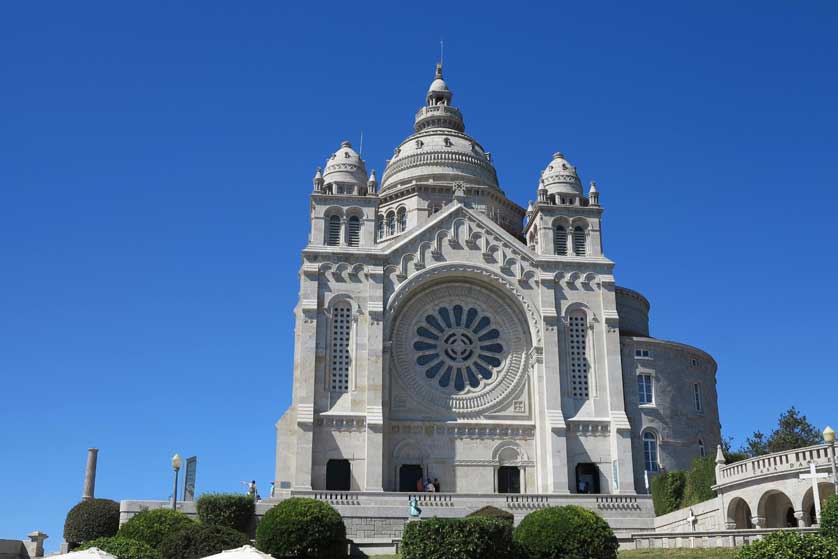
Temple of the Sacred Heart of Jesus
The neo-Byzantine basilica of Templo do Sagrado Coração de Jesus (Temple of the Sacred Heart of Jesus) stands at the top of Monte de Santa Luzia. Visitors can ascend a narrow and winding set of stone stairs to the dome at the top for impressive views. The massive church was designed by architect Miguel Ventura Terra (1866-1919), though the building was not finally completed until 1943.

Igreja do Convento de São Domingos
The Igreja do Convento de São Domingos is located close to the Museu de Artas Decorativas. It was formerly a Dominican convent founded by the beatified D. Frei Bartolomeu in the 16th century. The ornate interior has a gilded carved altar by José Alvares de Araújo. Notice the shells, flowers and volutes in the design. The former convent at the side can be visited and contains the original cloister and a collection of religious art. The space also presents temporary exhibitions of more contemporary art.

Church of our Lady of Agony
The pretty Church of our Lady of Agony (Santuário da Senhora da Agonía) dates from the 18th century. This Baroque style chapel shows influences of Luso-Brazilian styles especially in the gilded altarpiece by Andre Soares. The wooden central staircase was added in the 19th century. The nave is in the shape of an octagon. The church also features a number of oil paintings, a pulpit with the scene of Calvary and an eighteenth-century organ. The annual Romaria de Nossa Senhora d'Agonía festival held in August on the first weekend after the 15th of the month originates from this shrine. The festival, which draws large crowds from both within Portugal and from abroad, features processions of participants wearing traditional local dress, as well as parades of the comical gigantones and cabeçudos.


Souls Chapel (Capela das Almas)
Known as Matriz Velha, this small Baroque church was the site of the first parish church in Viana do Castelo. The church was rebuilt and enlarged in the 18th century. The name, Souls Chapel (Capela das Almas), comes from the site of a cemetery on the grounds.
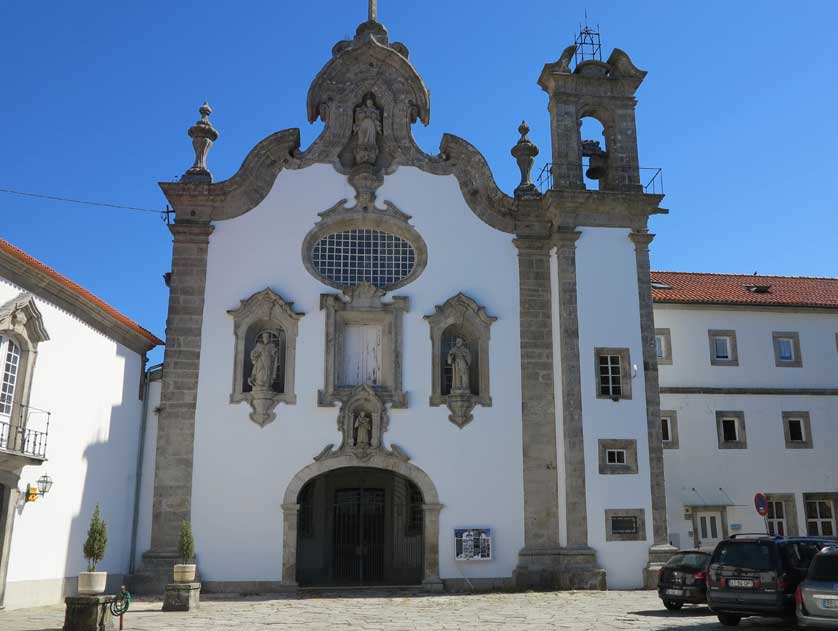
Convent & Church of St Anthony
The Convent & Church of St Anthony was built during the 17th and 18th centuries.
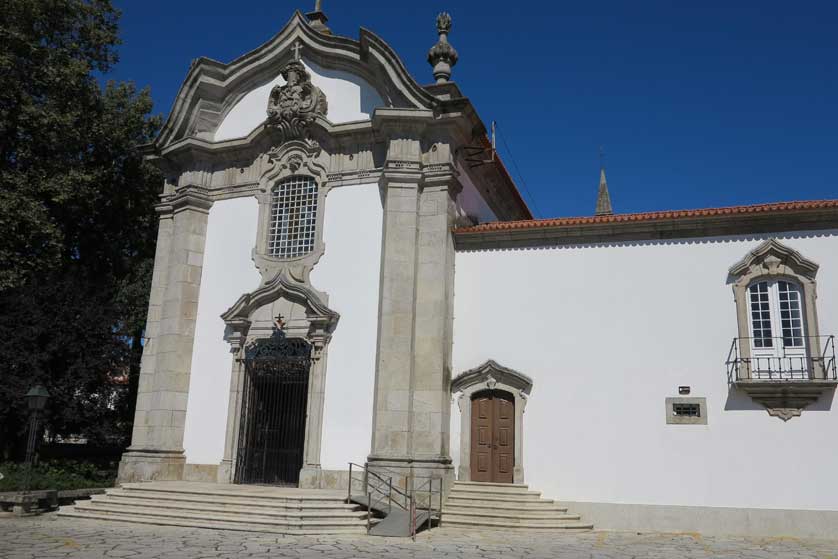
The Church & Convent of the 3rd Order of St. Francis
The Church & Convent of the 3rd Order of St. Francis stands virtually next door to the Convent & Church of St Anthony. It dates from the 18th century.
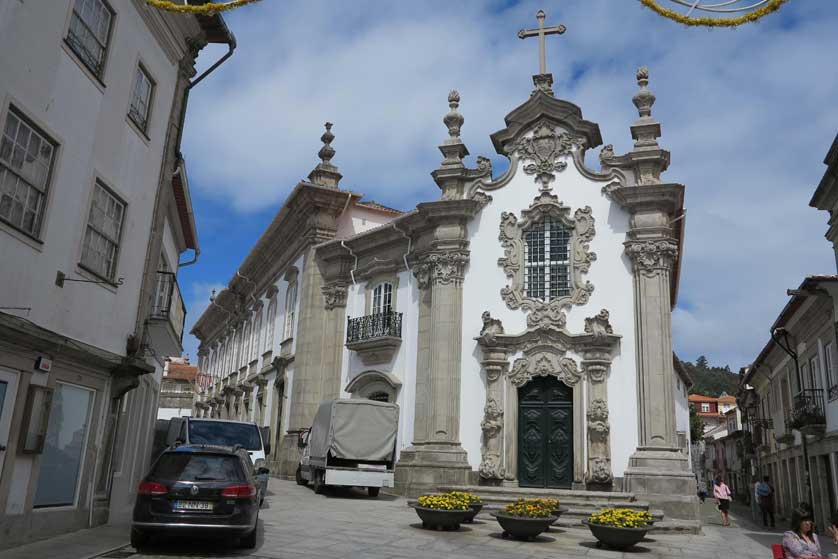
Capela das Malheiras
The Capela das Malheiras is a beautiful example of Portuguese rococo architecture. It is thought the church was designed by a follower of Nicolau Nasoni, the famous Italian architect active in Porto. The church features a remarkable polychrome wooden altarpiece with motifs of algae, lichen and conch shells.