Cathedrals, Churches & Chapels in Portugal
Portugal is a land full of churches. Even the smallest village in the most remote area of the country will have a church. Churches are often still a focus of community life in Portugal as well as repositories of local and national history, fine architecture and the well-spring of many local festivals.
See a full listing of churches in Portugal.
Algarve Churches
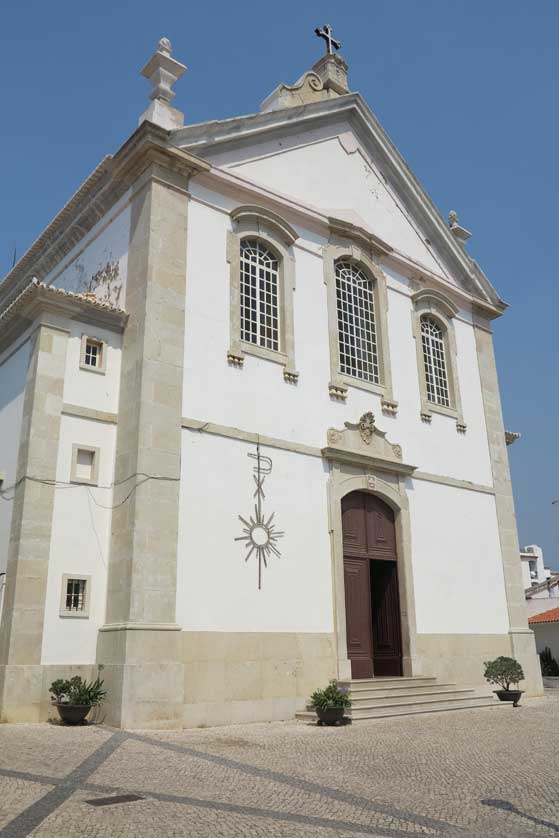
Churches in the Algarve include the Nossa Senhora da Conceição an 18th century, single nave church in Albufeira at the heart of the annual Festa Nossa Senhora da Orada procession celebrated in August.
Igreja Santa Ana also in Albufeira is dedicated to St. Anne, Jesus' maternal grandmother, with a fine, gilded, wooden altar painted in blue, possibly the work of master sculptors Francisco Xavier Guedelha and João Baptista.
The beautiful Ermida de São Sebastião better known as the Museum of Sacred Art (Museu de Arte Sacra) exhibits religious art collected from surrounding churches that survived the 1755 earthquake and subsequent tsunami that hit the region.
In Aljezur make time to visit the Igreja da Misericórdia and Igreja Nova (Church of Our Lady of the Dawn; Igreja Nossa Senhora d' Alva).
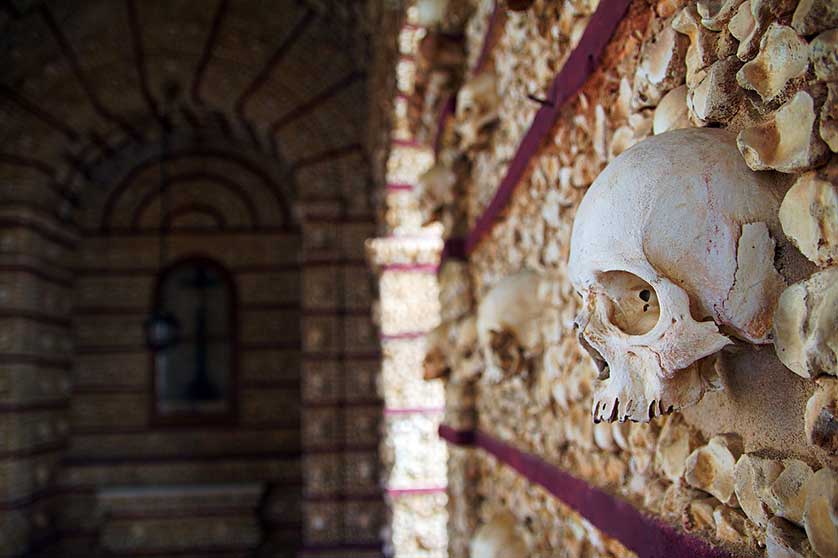
In Faro, churches of historic interest are Faro Cathedral (Sé), Igreja da Misericórdia, and the Igreja do Carmo & Capela dos Ossos.
In Lagos, the Igreja de Santo António, Igreja de Santa Maria and the Igreja de São Sebastião are the most important and beautiful places of worship. See a listing of churches in Lagos.
In Portimão the Igreja Matriz (Igreja da Nossa Senhora da Conceição), the Jesuit College (Igreja do Colégio) in Praça da República and the Igreja da Nossa Senhora da Conceição in Ferragudo are some of the town's most lovely and historic churches.
Nearby Silves has Silves Cathedral (Sé), and Igreja da Misericórdia, across the street from the Sé.
Churches in Tavira include the Igreja da Misericórdia (Church of Mercy), the Church of Saint Maria of the Castle and Igreja de Santiago.
Read more about churches in Albufeira, churches in Faro and churches in the Algarve in general.

Azores Churches
The islands of the Azores archipelago are packed with a number of beautiful churches. Each municipality usually has a church, often made in the local black basalt volcanic stone.
The area is subject to earthquakes and several of the Azores' historic churches have been badly damaged and restored. In some cases they have been destroyed completely and subsequently rebuilt.
Read a guide to churches of the Azores.

Braga Churches
The city of Braga, in the Minho region of north west Portugal, north of Porto, is known as the "Rome of Portugal" due to its rich ecclesiastical heritage.
There are many churches, convents and monasteries in and around the city of historical importance.
These include the important pilgrimage site of Bom Jesus do Monte just 5 km outside the city and the spectacular Sé de Braga (Braga Cathedral).
Coimbra Churches
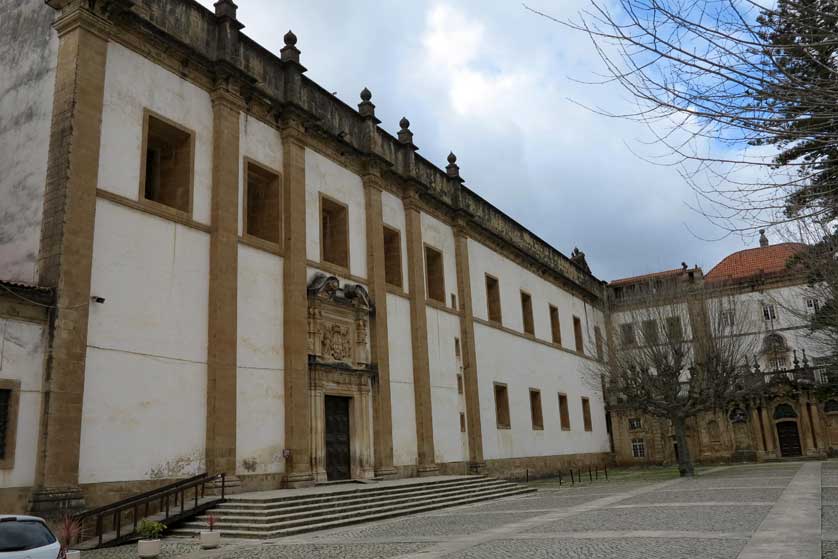
Coimbra, as an historic former capital of Portugal, has a number of outstanding churches. The highlights are the Convento de Santa Clara-a-Nova (New Convent of St. Clare), the Convento de Santa Clara-a-Velha (Old Convent of St. Clare), the Sé Velha (Old Cathedral), the Sé Nova (New Cathedral), the Igreja de Santa Cruz (aka Mosteiro de Santa Cruz) and the Igreja de São Tiago in Praça do Comércio.
Read more about churches in Coimbra.
Evora Churches
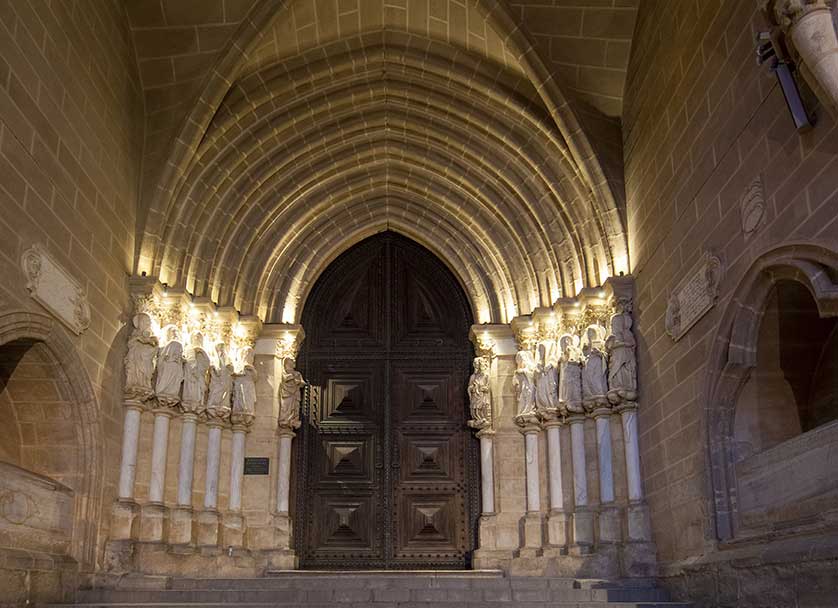
The UNESCO World Heritage Listed city of Evora has many beautiful and historic churches. These include the fortress-like Evora Cathedral, the Igreja de São Francisco and its macabre Capela dos Ossos (Chapel of Bones), the Igreja da Nossa Senhora da Graça noted for its 16th-century facade, the Igreja do Espírito Santo, an early Jesuit church, completed in 1574, the Igreja de São João Evangelista (aka Igreja dos Lóios) and the Igreja de Santo Antão in Praça do Giraldo.
Read more about churches in Evora.

Fatima Churches
The city of Fátima, in the Estremadura region of central Portugal, is the country's most famous pilgrimage site. Fátima also rivals Braga as Portugal's most important religious city and is certainly of more international importance and fame. Second only to Lourdes as Europe's major pilgrimage center, the small town of just 8,000 inhabitants, welcomes millions of devotees a year who come to pray at the site of a miraculous apparition of the Virgin Mary that occurred here in 1917.
The Basilica de Nossa Senhora do Rosário de Fátima (Basilica of Our Lady of the Rosary) holds the tombs of Lucia, Jacinta and Francisco - the three children who saw the apparition of Mary in 1917.
The Basilica de Santissima Trindade (Basilica of the Most Holy Trinity) is at the other end of the huge square from the Basilica of Our Lady of the Rosary. The Basilica of the Most Holy Trinity is a contemporary building consecrated in 2007. In part, it was built to ease congestion at the Basilica of Our Lady of the Rosary on pilgrimage days. In all the church took over three years to complete. The Capela das Apariçoes (Chapel of the Apparitions) marks the exact spot where three young shepherd children (Jacinta, Francisco and Lucia) reported having seen apparitions of the Virgin Mary in 1917.
Read more on the churches of Fatima.
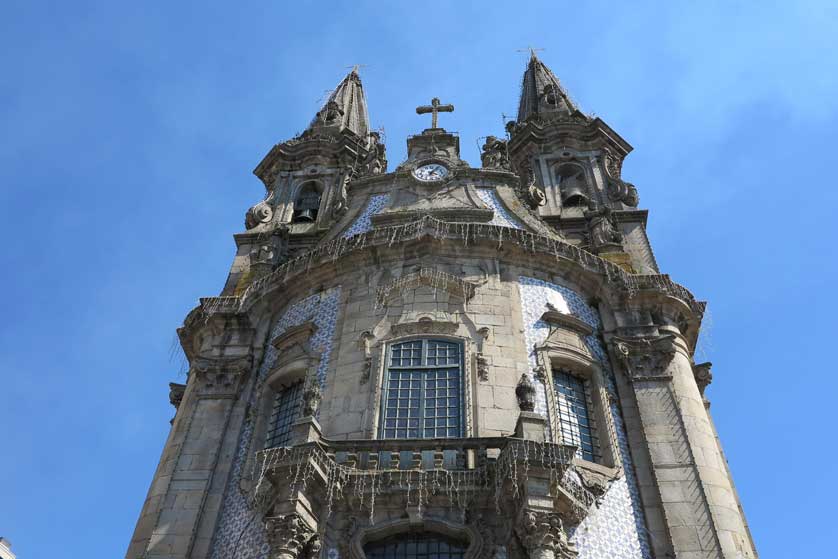
Guimarães Churches
The lovely city of Guimarães, parts of which are designated a UNESCO World Heritage Listed Site has several beautiful and historic churches. The origins of the Igreja do Senhor dos Passos go back to a small chapel, dedicated to Nossa Senhora da Consolação, built in 1576. The Igreja de Nossa Senhora da Oliveira dates back to a Benedictine monastery founded on the site in 949 by Countess Mumadona Dias. The medieval Church of São Miguel do Castelo is within the grounds that encompass Guimarães Castle and the Palace of the Dukes of Braganza (Paço dos Duques de Bragança).
See more on churches in Guimarães.
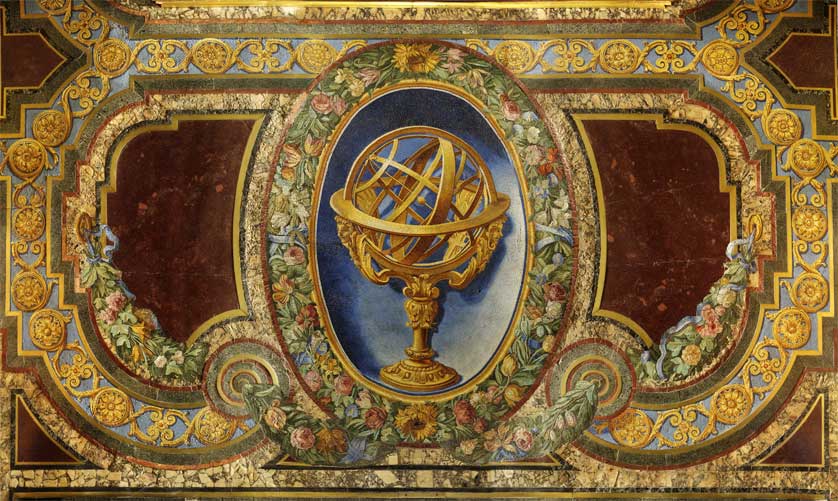
Lisbon Churches
Lisbon, the capital of Portugal, has a number of outstanding churches. Lisbon Cathedral (Sé) is located in the Alfama district of the Portuguese capital. The fortress-like Romanesque church was built in 1150, possibly (though not definitively) on the remains of a Moorish mosque, on the orders of King Dom Alfonso Henriques.
Lisbon's most popular tourist site, the magnificent UNESCO World Heritage listed Mosteiro dos Jerónimos is located near the historic Belem Tower and the Monument to the Discoveries in Belem, in the west of the capital.
The Basilica da Estrela, in the Estrela district of western Lisbon, 2 km from Bairro Alto, is a fine late 18th century church.
The Convento do Carmo is an historic ruin in the Chiado district, which is the city's most striking example of the devastation caused by the 1755 earthquake which struck the city.
The São Vicente de Fora also referred to as Mosteiro de São Vicente de Fora ("Monastery of St. Vincent Outside the Walls") is located in the Alfama district of Lisbon close to the Feira da Ladra (Thieves' Market) and the National Pantheon (aka Igreja de Santa Engrácia).
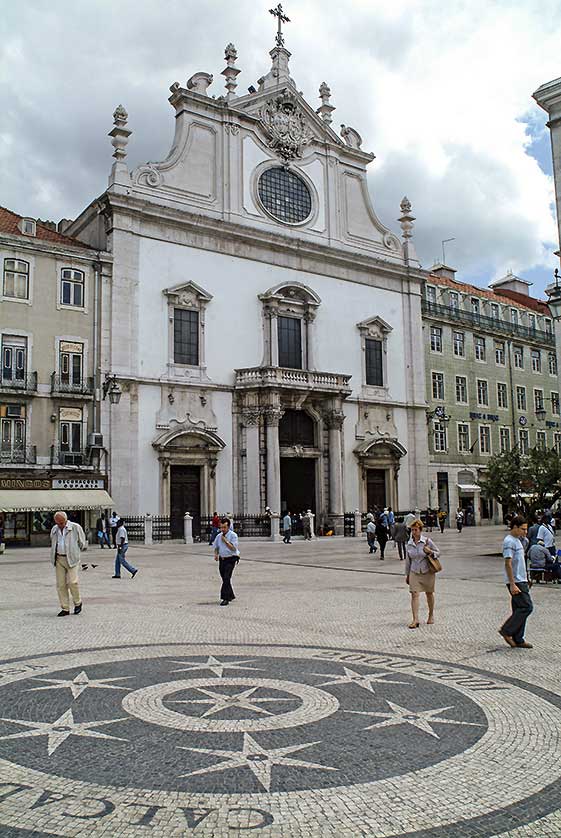
The Igreja de São Domingos in Largo de São Domingos near Rossio just about survived the 1755 Lisbon earthquake and a vicious fire in 1959, though evidence of the blaze can still be seen within the church.
Read a guide to Lisbon's churches

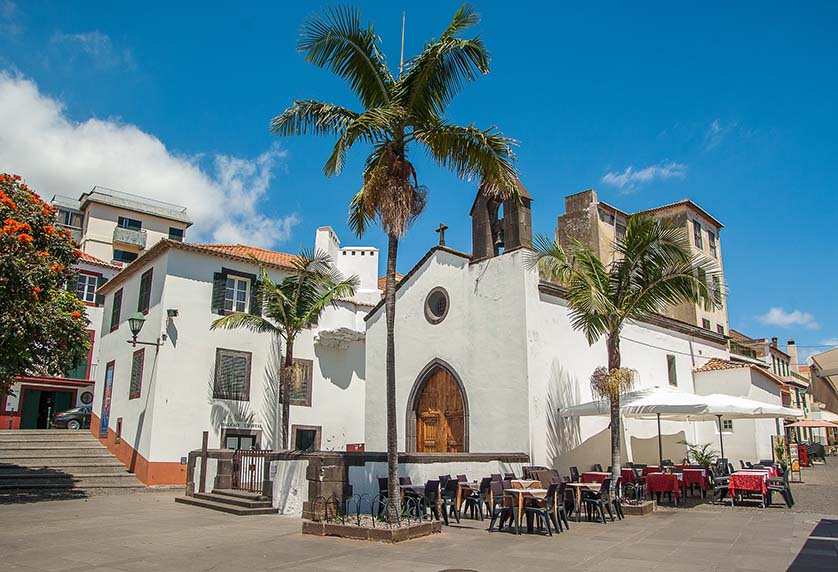
Madeira Churches
Funchal and the island of Madeira as a whole has a number of beautiful churches. Several have been constructed in a local style using black basalt.
The Capela do Corpo Santo (Chapel of Corpo Santo) is located in the Zona Velha (Old Town) of Funchal.
The Capela de Santa Catarina is a small but beautiful church. It is located within the pleasant Santa Catarina Park (Parque de Santa Catarina), a large green space in the city.
The church dates from the 15th century and was originally constructed in wood. In the 16th century, the present stone church was built.
The Igreja de Nossa Senhora do Monte (Church of Our Lady of Monte) is located north of the Zona Velha (Old Town) in the Monte district.
There are great views over Funchal from the top of the stairs or even better from the towers of the church.
Read a guide to churches in Madeira
Porto Churches
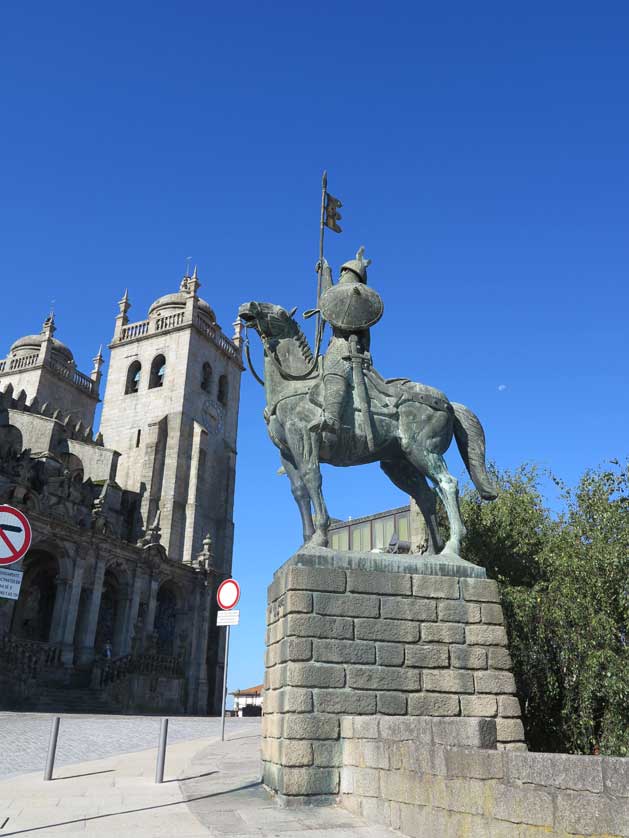
Porto, Portugal's second city, has a number of outstanding churches beginning with its fortress-like cathedral and the iconic tower of Clérigos Church.
Porto Cathedral (Sé) is located in the center of Porto's old town very close to Sao Bento Station. The historic, fortress-like Romanesque church dates from 1110, though construction was completed in the 13th century, making the cathedral one of the oldest buildings in Porto. Porto's cathedral holds an important place in Portuguese history as it was here that Prince Henry the Navigator was baptized and King John I married the Princess Philippa of Lancaster in the 14th century, leading to the long-standing Anglo-Portuguese alliance.
The Torre dos Clérigos is a very popular attraction in Porto with a line of foreign tourists waiting to ascend the 75 meter tower each day in the summer vacation season for spectacular views over the city. Designed by Italian architect, Nicolau Nasoni, the Torre dos Clérigos is an icon of the city and was the tallest building in Portugal when it was completed in 1763.
The Museu da Misericórdia do Porto is located on the historic Rua das Flores in downtown Porto. This beautiful modern museum is connected to the historic 16th century church of Igreja da Misericórdia re-designed in the 18th century by the Italian architect Nicolau Nasoni, whose work can be seen in many outstanding buildings of historical interest around the city.
The Igreja do Carmo and Igreja dos Carmelitas are twin churches at the corner of Praça de Carlos Alberto and Rua do Carmo.
Read more on churches in Porto.

Viana do Castelo Churches
Viana do Castelo, in the Minho region of Portugal, has a number of beautiful and historic churches.
The Romanesque Cathedral (Sé) in Viana do Castelo dates from the early 15th century. The entrance arch is decorated with sculptures of the Apostles Peter, Paul, John, Bartholomew, Andrew and James. The façade is flanked by two large towers topped by battlements. The interior is in the shape of a Latin cross with several side chapels.
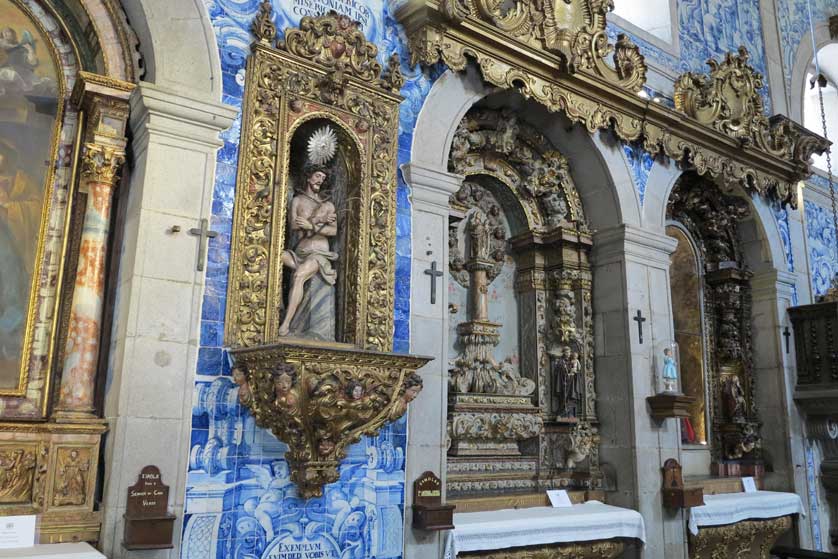
The Igreja da Misericórdia originally dates from 1589 with renovations in the early 18th century by Manuel Pinto de Vilalobos. The altar is a superb work of gilded, wooden carving by Ambrosio Coelho with azulejos wall tiles by Policarpo de Oliveira Bernardes.
The neo-Byzantine basilica of Templo do Sagrado Coração de Jesus (Temple of the Sacred Heart of Jesus) stands at the top of Monte de Santa Luzia. Visitors can ascend a narrow and winding set of stone stairs to the dome at the top for impressive views. The massive church was designed by architect Miguel Ventura Terra (1866-1919), though the building was not finally completed until 1943.
The Igreja do Convento de São Domingos is located close to the Museu de Artas Decorativas. It was formerly a Dominican convent founded by the beatified D. Frei Bartolomeu in the 16th century. The ornate interior has a gilded carved altar by José Alvares de Araújo.
Read more on the churches of Viana do Castelo.
Related Articles

Hotels in the Algarve
Stay at the Hotel Hostellicious
Hotels in Albufeira - Agoda.com
Book Hotels in Algarve - Agoda.com
Find Hotels in Lagos - Agoda.com
Hotels in Portugal - Booking.com