Lisbon Cathedral (Sé)

Lisbon's cathedral (Sé) is located in the Alfama district of the Portuguese capital.
History
The fortress-like Romanesque church was built in 1150, possibly (though not definitively) on the remains of a Moorish mosque, on the orders of King Dom Alfonso Henriques.
The first bishop was the English crusading knight Gilbert of Hastings. The imposing, defensive design of the church is typical of the history of this period.
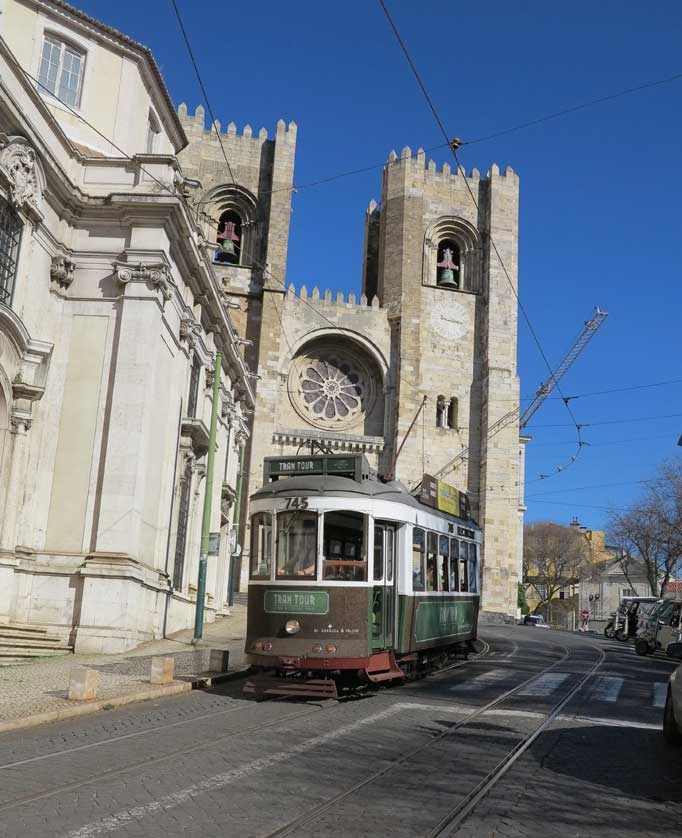
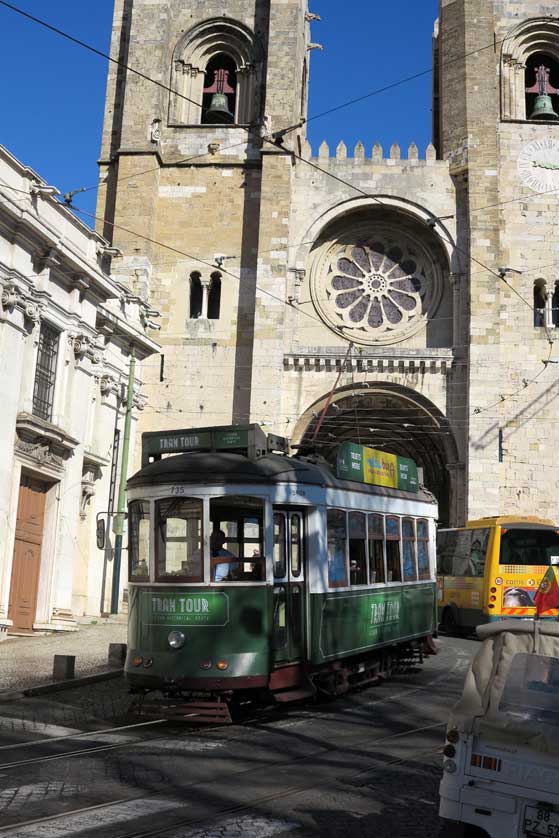
The most striking features are the rose window and twin crenellated towers.
The interior was damaged by the 1755 earthquake and restored in the 1930's. It also suffered damage in other earthquakes in 1337, 1344 and 1347.
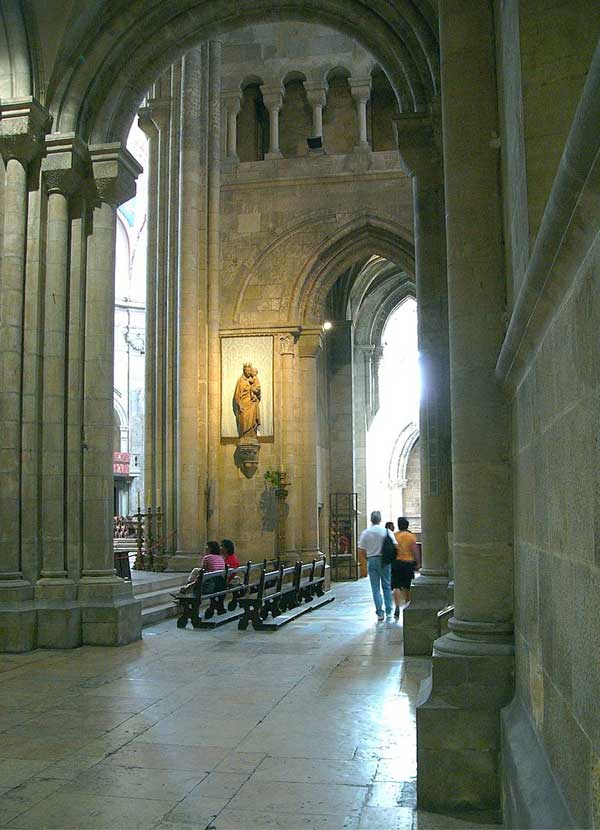
Lisbon Cathedral is now a mix of different architectural styles, with the interior largely baroque, except for some Gothic tombs behind the altar. It remains one of Portugal's best examples of Medieval architecture but is somewhat underwhelming compared with other churches in the city.
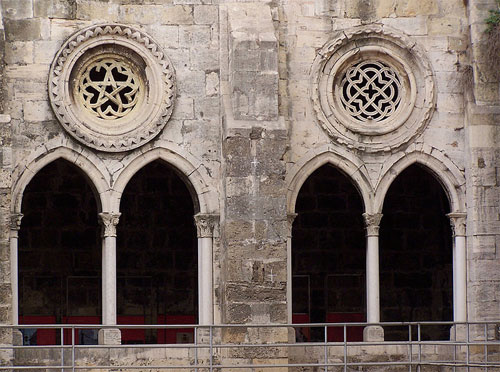
The 13th century cloister has been recently excavated to reveal both Roman and Moorish remains.
Lisbon Cathedral has the shape of a Latin cross with three aisles, the transept and main chapel.
In 1383, Bishop Martinho Anes was hurled from the top of the north tower by an angry, local mob for supporting a Spanish claim to the Portuguese crown.


The sacristy contains relics of St Vincent (the patron saint of Lisbon), icons and other religious art.
Access
Lisbon Cathedral
Largo da Sé
Lisboa
Tel: 21 886 6752
Tram: #28
Hours: 10 am - 7 pm;
Admission: free; a fee is charged to enter the cloister and sacristy.
Nearby
Lisbon Cathedral is close to a number of other attractions in the Alfama district including the Aljube Museum, Teatro Romano, Casa dos Bicos, Arco da Rua Augusta, Santo Antonio, the Church of Nossa Senhora da Conceição Velha and several fado and music clubs.

Gallery
Book Air Tickets to Spain & Portugal
Cheap flights from Europe with low cost carriers