National Museum of Natural History and Science
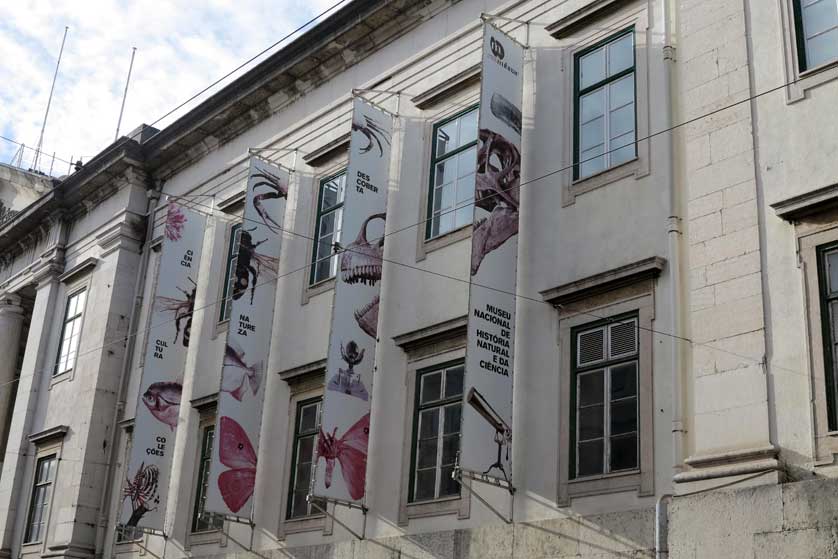
The National Museum of Natural History and Science (Museu Nacional de História Natural e da Ciência) is part of the University of Lisbon. It is next door to the Botanical Garden (Jardim Botânico da Universidade de Lisboa). The two institutions are physically connected.
Both are located in the Principe Real district, just north of the Lisbon district of Bairro Alto.
History
The museum is Portugal's major natural history museum and dates from 1926.
The collection at the National Museum of Natural History and Science spans over 250 years and covers various fields.
The museum had its origin in the Royal Museum of Natural History and Botanical Garden, created in the second half of the 18th century, in Ajuda near Belem.
The Ajuda Botanical Garden is the oldest botanical garden in Portugal and was laid out as part of Ajuda Palace (Palácio Nacional da Ajuda) in 1768, when the Portuguese king transferred his court to Ajuda after the devastating 1755 earthquake.
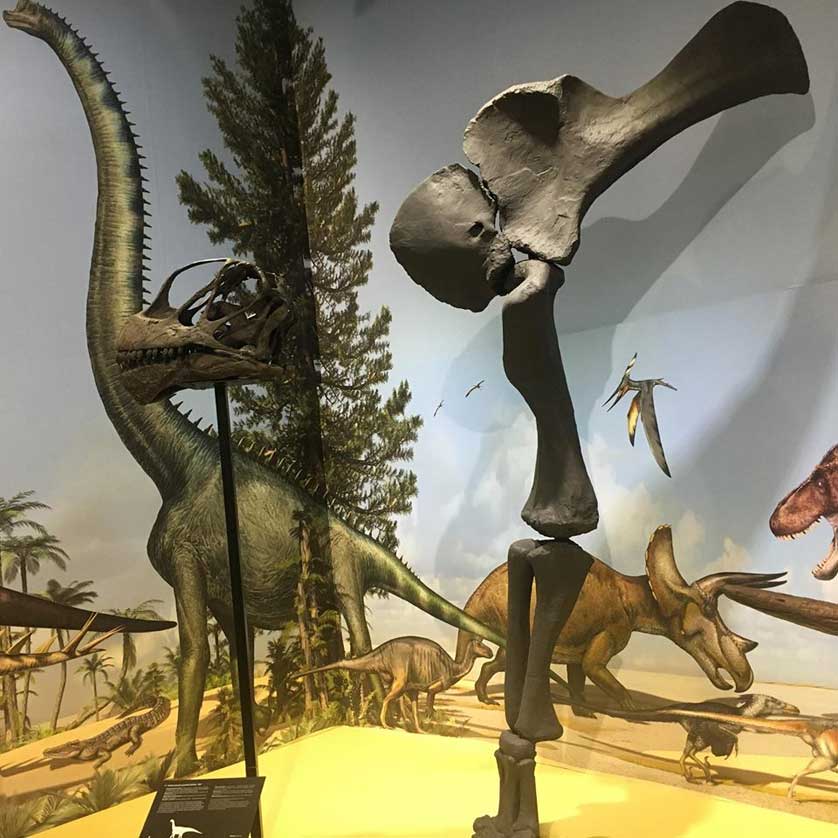
The ground floor has the main exhibition hall with a collection of dinosaur bones, fossils and minerals.
The first floor has exhibits of plants, multimedia exhibitions dedicated to physics, mathematics and a small planetarium.
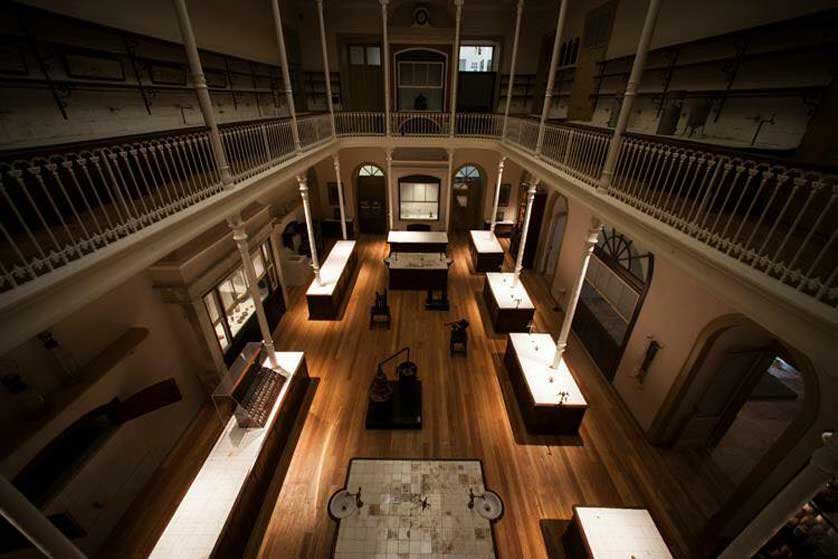
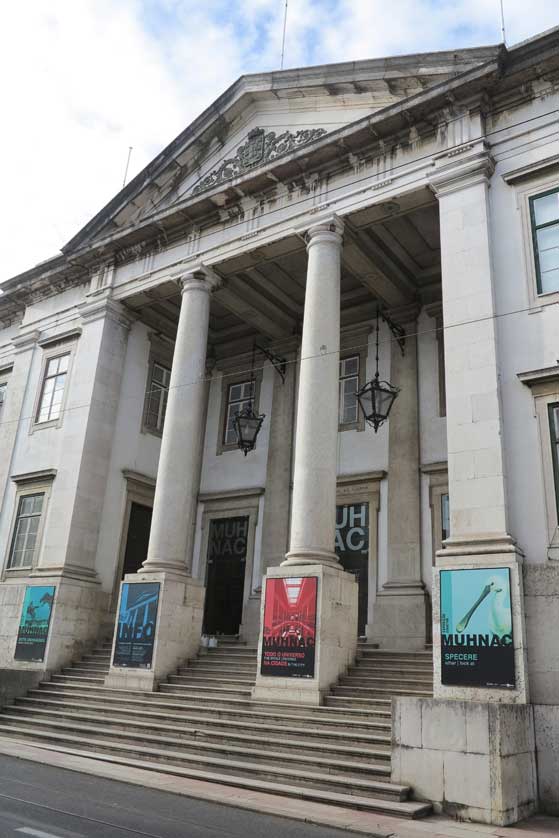
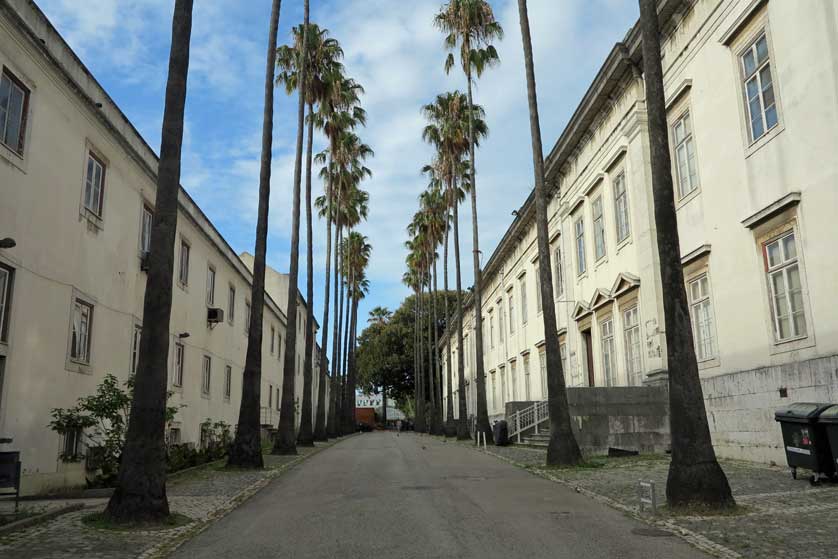
The museum is located within an historic 19th century building classified as a National Monument and is on two floors.
As well as the National Museum of Natural History and Science main building, the University of Lisbon also administers the Chemical Laboratory (1857-1890), the Astronomical Observatory (1898), The Botanic Garden, the Colégio dos Nobres Royal Riding Hall (1761), the 19th-century Escola Politécnica Reading Room and Library and the Astronomical Observatory of Lisbon, located in Ajuda.
Exhibits
There are exhibits relating to anthropology, botany, geology, paleontology and zoology.
The anthropology section holds 1,700 human skeletons from the cemeteries of Lisbon, 100 skulls of African origin and 30 skulls donated by the physician and anthropologist Ferraz de Macedo.
The zoology section has a vast collection of amphibian and reptile specimens from Portugal and its former colonies, as well as specimens of arachnids, birds, crustaceans, insects, fish and mammals.
The museum maintains a seed bank, the A.L. Belo Correia Seed Bank - the largest and oldest seed bank of indigenous species in mainland Portugal.
The Archive of Natural Sounds holds recordings of 200 species, mostly birds but also, albeit in smaller numbers, mammals, amphibians, fish and insects.
In addition there is an Historical Archive including documents from the 18th to the 20th centuries and a library of scientific books from the late 15th century to the 18th century and items of. There are also smaller collections of art and furniture and the museum also stages art exhibitions during the year.

The museum stages temporary exhibitions, workshops and other science and nature-related events throughout the year.
The museum shop and cafe are just as you enter on the ground floor.
Access & Hours
Rua da Escola Politécnica 56/58
1250-102 Lisbon
Tel: 21 392 1808
Hours: Tuesday-Friday: 10 am - 5 pm; Saturday and Sunday: 10 am - 5 pm; Closed on Monday and public holidays.
The nearest metro station is Rato on the Linha Amarela. Any of the following Lisbon buses run close to the museum: 58, 7736, 9, 74, 720, 727, 738, 92 and 790.
Entrance is presently 5 Euros though visitors can buy a combined ticket with the Jardim Botânico. Just across the street is the Jardim do Príncipe Real.
Other recommended museums in Lisbon are the Museu da Presidencia da Republica, the Benfica Museum (Museu Benfica Cosme Damião), the Museum of São Roque and the Berardo Collection.
The Casa de Sao Mamede Hotel in a restored 17th century building is a recommended place to stay nearby on the same street.
Book Air Tickets to Spain & Portugal
Cheap flights from Europe with low cost carriers