National Parks & Nature Parks in Portugal
Peneda-Gerês National Park
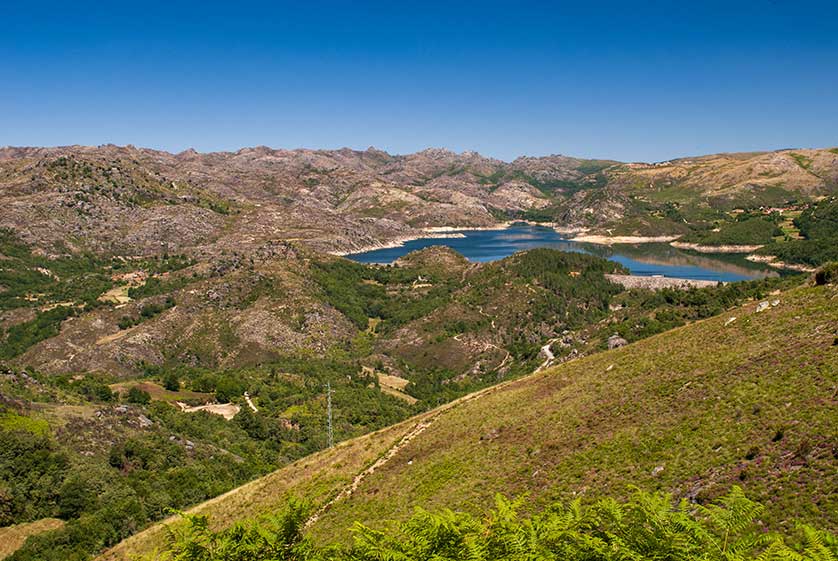
Portugal has only one National Park, the Peneda-Gerês National Park in the north west of the country on the border with Spain. The 703 km² park includes granite massifs, lakes, waterfalls, and forests of oak and pine. The animals found here include wolves, wild boar, otters and the venomous black viper. The diverse bird life includes buzzards, golden eagles, red kites and owls.
Hiking, bird-watching and mountain biking can all be enjoyed within the park.
Montalegre is the main gateway to the park and having your own vehicle is probably the best way to access this beautiful area, though there are some local buses connecting some of the picturesque villages. Highlights include the old spa town of Caldas de Gerês, and the various viewpoints (miradouros do Gerês) overlooking the huge Caniçada reservoir and Arado valley.
The Arado waterfall (Cascata do Arado) near Ermida has three separate cascades and is a spectacular sight. The traditional villages of Soajo, Lindoso and Parada are also worth visiting in the northern part of the park. Soajo is known for its espigueiros (grain houses) - 18th and 19th century structures raised above the ground to protect them from rodents.
Park Natural de Montesinho
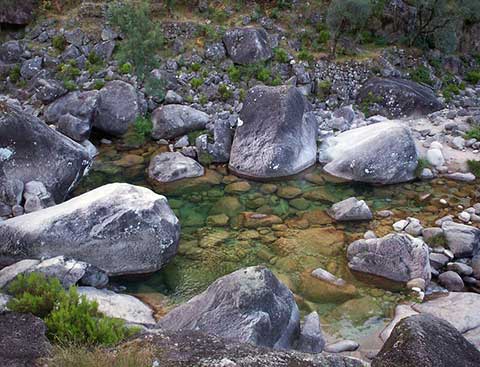
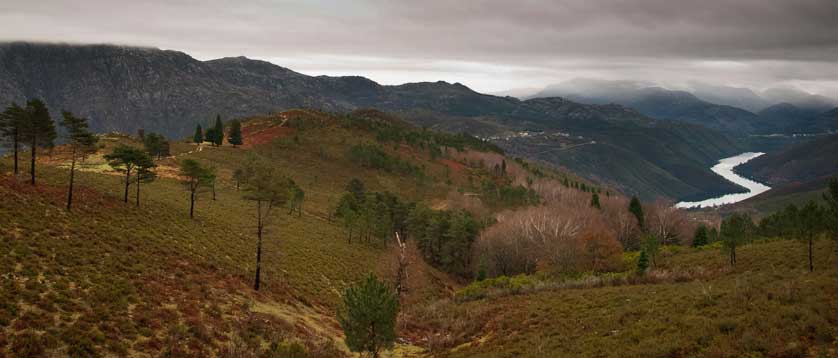
Park Natural de Montesinho, one of Portugal's 13 Natural Parks, is in the north east corner of Portugal on the border with Spain in the municipalities of Vinhais and Bragança in the Trás-os-Montes region. Parts of the southern slopes of the Serra da Coroa (Sierra de la Culebra) fall within the 750 km² Park Natural de Montesinho. The list of animals here includes deer, the Iberian lynx and wolf, roe deer as well as the European otter and wild boar. The traditional villages in the area may be depopulating but help with their preservation in provided by the government. Such villages include Dine, Pinheiro Novo, Moimenta and Guadramil.
Park Natural do Alvão
Park Natural do Alvão also in the far north of Portugal is the smallest of Portugal's Nature Parks (72 km²) located in the municipalities of Mondim de Basto and Vila Real. Traditional villages of schist cottages and slate roofs in this highland area of granite peaks and beech woods include Ermelo, Lamas de Olo and Fervença. Some of the peaks reach to over 1300 meters. The Fisgas de Ermelo waterfalls are the park's major attraction.
Parque Natural do Douro Internacional
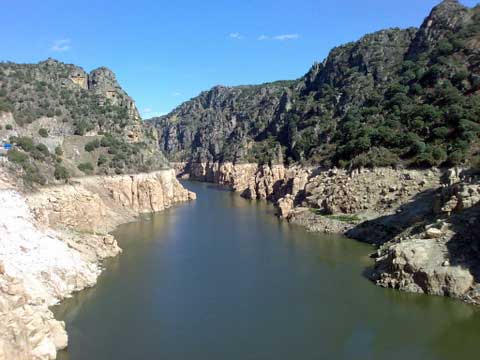
The 852 km² Parque Natural do Douro Internacional on the border with Spain is in the far north west of the country along the River Douro. The park is located in the municipalities of Freixo de Espada à Cinta, Figueira de Castelo Rodrigo, Miranda do Douro and Mogadouro. The area is a haven for several species of endangered birds including the golden eagle and peregrine falcon. This isolated region is also home to the Mirandês language which is believed to have descended from Latin and spoken in Miranda do Douro, Mogadouro and Vimioso.
Parque Natural da Serra da Estrela
The Parque Natural da Serra da Estrela was one of Portugal's first protected areas and remains its largest at 1011 km². Mainland Portugal's highest peak is here, the 1993 meter Torre and this is one of the few regions in Portugal where snow falls reliably in winter. The Serra da Estrela cheese is a notable product of these highland pastures, where the sheep share the peaks with a variety of bird life, high-altitude frogs and lizards.
Parque Natural do Tejo Internacional
The 230 km² Parque Natural do Tejo Internacional in the center of the country straddles the River Tagus which forms the border between Spain and Portugal here. Many wild birds such as black storks, Egyptian vultures and royal eagles nest here. There are several trails for hikers including the Rota dos Abutres (Route of the Vultures) into the canyon of the Rio Erges.
Parque Natural das Serras de Aire e Candeeiros
The Parque Natural das Serras de Aire e Candeeiros is a chalk and limestone massif south of Leiria known for its caves, grottoes and ancient rock salt mines. Around 10 km south of Fátima, in a former quarry in the village of Bairro, are a collection of dinosaur footprints from the Jurassic period - the oldest and longest sauropod tracks in the world. Also worth a visit is Mira da Aire - Portugal's largest cave system. There are several walking paths (percursos pedestres) through the park or visitors can tour the region on a donkey.
Parque Natural da Serra de São Marmede
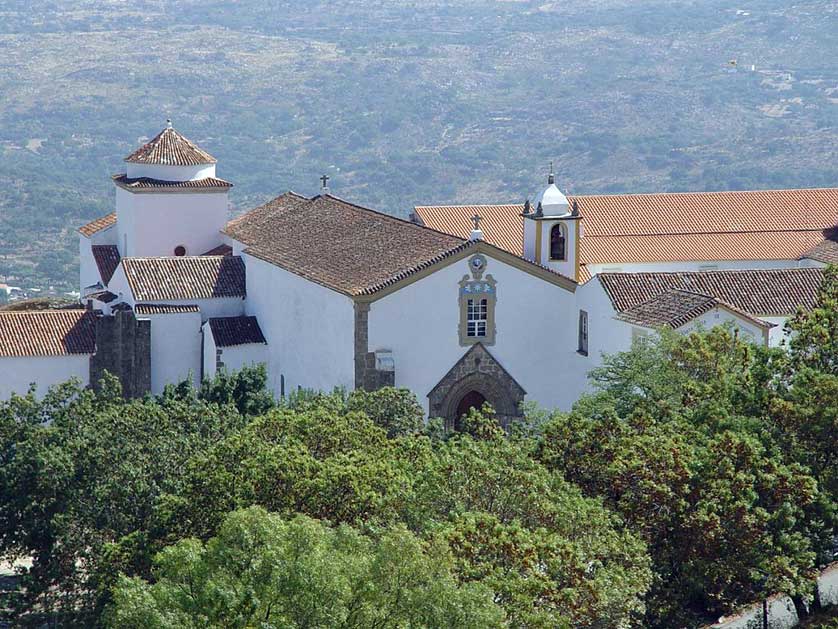
The Parque Natural da Serra de São Marmede is an upland region rising to over 1,000 meters in the Alentejo with areas of cork oak and Pyrenean oak. Birds such as the Bonelli eagle inhabit the area along with deer and wild boar. Portalegre is the main town near the park and the villages of Castelo de Vide, Alegrete and Marvão retain an historic atmosphere.
Parque Natural de Sintra Cascais
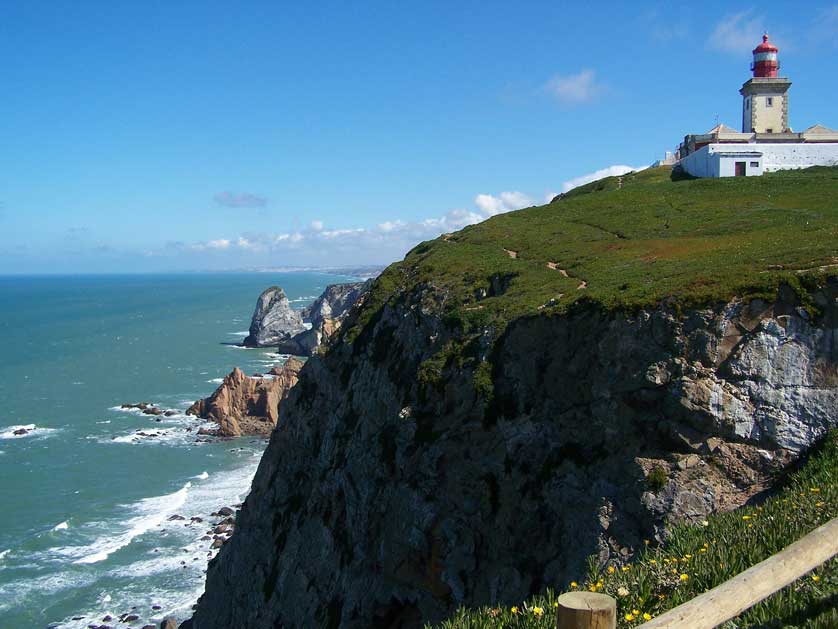
The 145 km² Parque Natural de Sintra Cascais includes the Serra de Sintra mountains and Cabo da Roca, continental Europe's western most point, Praia Ursa and Praia do Guincho (Guincho Beach). The towns of Sintra and Cascais are the main points of access to see the park which is only 25 km west of Lisbon.

Parque Natural da Arrábida
The Parque Natural da Arrábida is a protected coastal environment between Setúbal and the fishing village of Sesimbra. Highlights are the 380 meter high cliff at Serra do Risco and the beaches at Figueirinha, Galapos and the stunning Portinho da Arrábida. The vegetation includes such Mediterranean plants as olive, pistachio, lavender and thyme and the area is home to various species of birds of prey as well as deer and wild boar. The Convento da Arrábida is a former 16th century monastery.
Parque Natural do Sudoeste Alentejano e Costa Vicentina
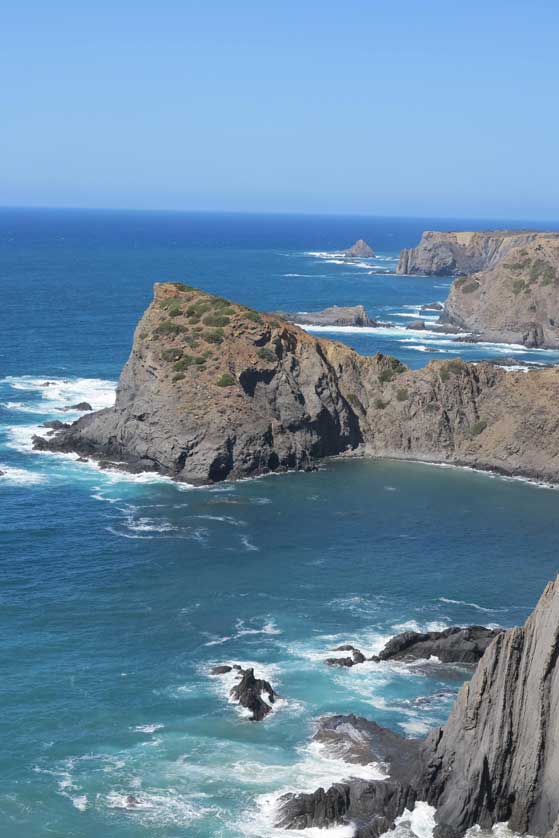
The Parque Natural do Sudoeste Alentejano e Costa Vicentina runs over 100km along the Atlantic coast south from São Torpes and Porto Covo in the Alentejo to Sagres, Burgau and Cabo de São Vicente in the Algarve. The area includes the dramatic coastlines and steep cliffs of Odeceixe, Aljezur and Carrapateira. Many of the beaches are popular with surfers including Monte Clérigo and Arrifana near Aljezur.
Parque Natural da Ria Formosa
The Parque Natural da Ria Formosa on the Algarve is 60 km of sandy beaches within a lagoon. The park stretches from west of Faro to Cacela Velha and is best reached from Olhão. The park includes salt pans, marshes, creeks, inlets, islands and dunes and is a haven for bird life including large populations of ducks, gulls and terns as well as the very rare purple swamphen. Two popular islands for tourists reached by boat from Olhão are Culatra and Armona.
Parque Natural do Sapal de Castro Marim e Vila Real de Santo Antonio
Parque Natural do Sapal de Castro Marim e Vila Real de Santo Antonio is in the far east of the Algarve near Vila Real de Santo Antonio, Castro Marim and the Spanish border. The park is centered on the River Guadiana which slowly winds to the sea creating salt pans, creeks and small lakes home to many species of birds (flamingo, white stork, black-winged stilt) and a variety of crustaceans.
Parque Natural do Vale do Guadiana
The 700 km² Parque Natural do Vale do Guadiana is centered on the River Guadiana north of the coast where the river is fast flowing through a narrow valley and ravine. The Pulo do Lobo (Wolf's Leap) waterfall is a noted landmark in the park. Serpa and Mértola are the main towns of interest near the park. Spring is noted for its wild flowers and autumn for mushrooms. The landscape is one of dry grasslands, spotted with wooded hills of pine and eucalyptus, which has been introduced.