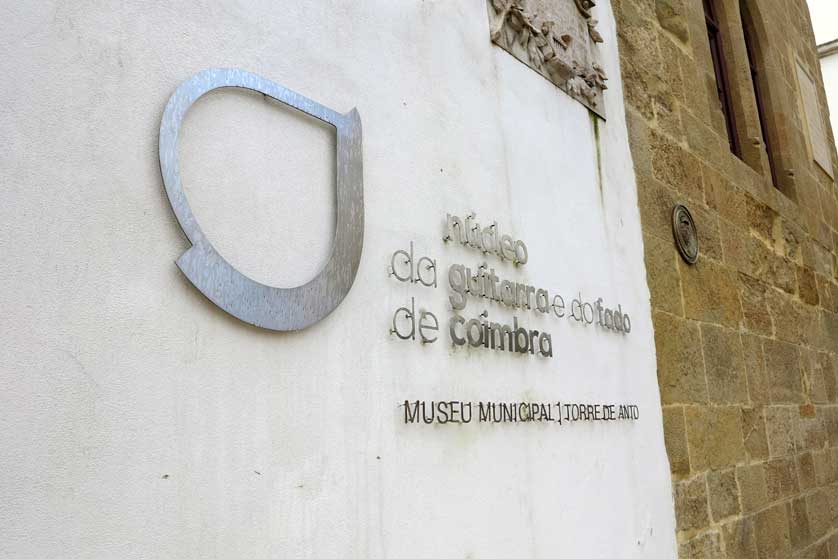
Portuguese Culture: Fado

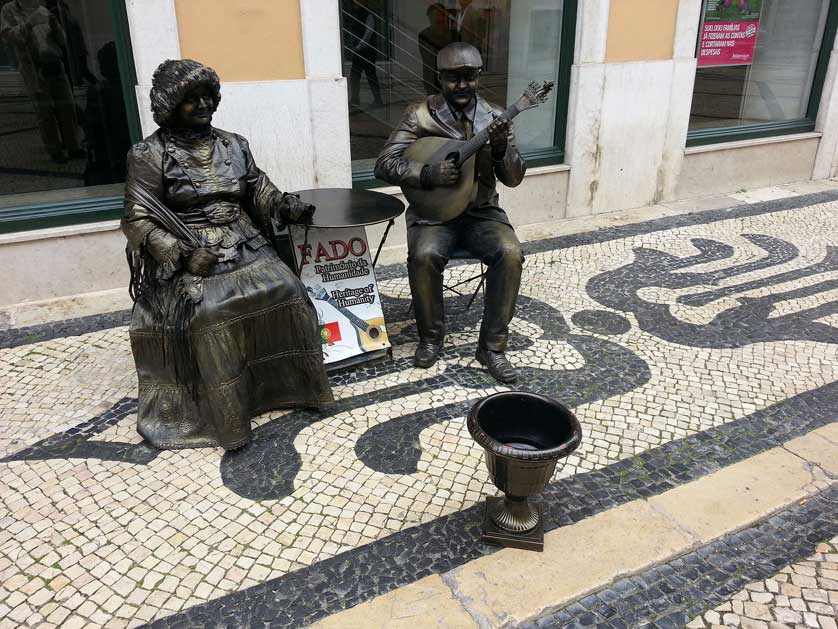
Fado, ("fate", "destiny"), is the genre of music most associated with Portugal and the Portuguese.
The emotional, melancholic music reveals much about the Portuguese soul and is intimately connected with the concept of saudade - an intense longing for something lost and long-gone that can never be recovered.
Fado was added to the UNESCO Representative List of the Intangible Cultural Heritage of Humanity in 2011. (Another Portuguese musical genre Cante Alentejano was also added in 2014).
History
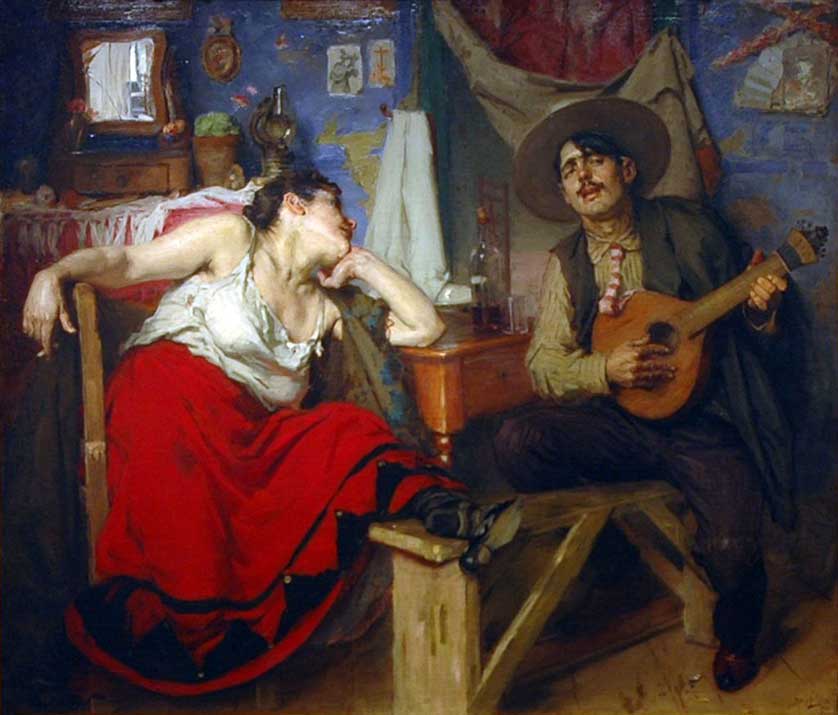
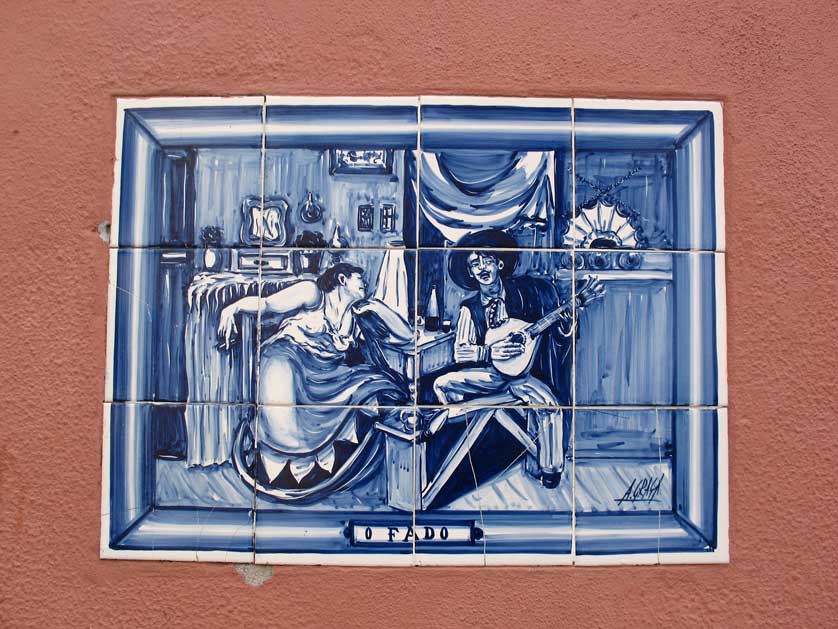
The origins of fado go back to the early 19th century and the bars and brothels of Alfama and Mouraria in Lisbon.
A music of the poor, working class of the time, fado also has roots in earlier Moorish chants, African and Brazilian rhythms and even the Medieval songs of French troubadours.
A music of sentimentality and sadness, fado recounts the feelings of separation, of men away at sea, of emigrants in distant lands.
It was not until the end of the century that fado entered the mainstream. By the 20th century, radio and film propelled the genre to national and international attention. nowadays, fado touches every social class assuming various messages and meanings.
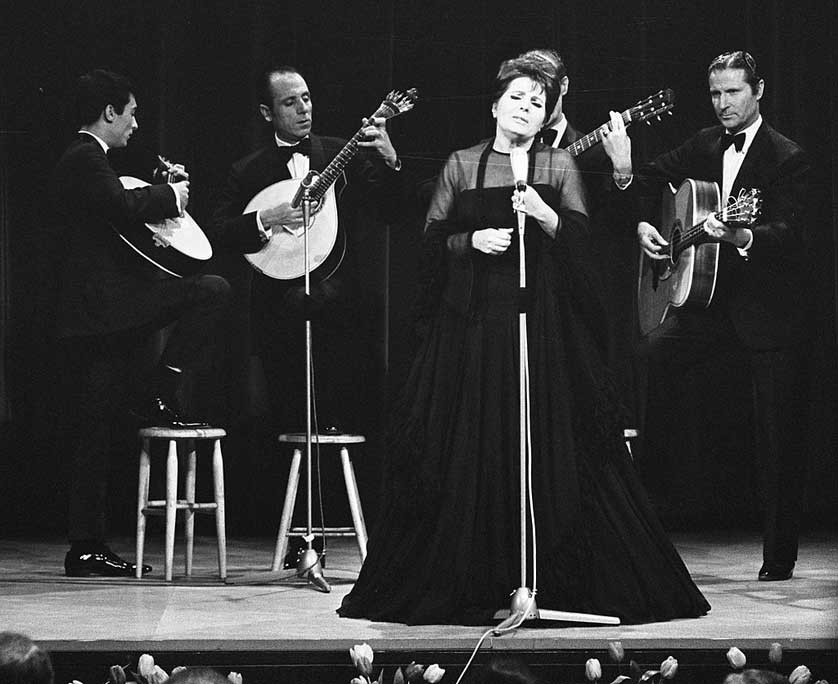
It was Amália Rodrigues, the Queen of Fado, who helped popularize fado overseas during her heyday in the 1950's-1970's. Born in 1920, Amália Rodrigues grew up in Lisbon, looked after by her grandmother until the age of 14. Amália began performing when she turned 19 and backed by the compositions of mentor Frederico Valério, her rich voice soon saw her hailed as a rising star of fado. Amália traveled overseas and became popular in Spain, France and also Brazil.
Amália's most acclaimed albums available on CD include The Very Best of Amalia Rodrigues, Coimbra, and This is Gold.

Types of Fado
Presently, the music of fado has evolved into various sub-genres.
These include Fado castiço - popular fado - represented by the music of Alfredo Marceneiro and Argentina Santos.
Fado aristocrata is a version of fado seen in the songs of Joao Braga and D. Vicente da Camâra.
The music of Amália Rodrigues and Carlos do Carmo best typifies Fado Comercial e de concerto.
Camané and Mariza are the new wave of Fado contemprâneo incorporating African beats, flamenco and jazz.
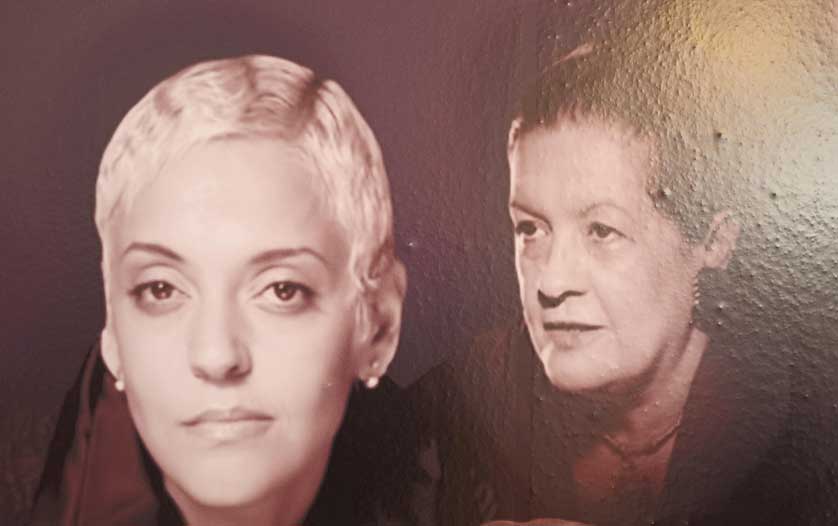
Mariza, is one of Portugal's top fado singers or fadistas, who has helped to spread the popularity of the music beyond its birthplace in Portugal. Marisa dos Reis Nunes, born to a Portuguese father and Mozambique mother in the then Portuguese colony of Mozambique in 1973, grew up in Lisbon from the age of 3. Mariza experimented with a variety of musical styles as she was growing up before settling on fado.
Her first album Fad Em Mim released when she was 18 was a success and she followed this in 2003 with Fado Curvo, which brought her to international attention. Mariza's later albums Tranparente and Terra were also huge hits both in Portugal and overseas and the singer has scooped a number of musical awards for her music and voice.
Coimbra Fado
Fado from Coimbra is an entirely different form. It is exclusively preserved for men, often present or former students of the University of Coimbra. Dressed in black often with capes, the singers have a more formal style with guitarra Portuguesa instrumentals a feature. Carlos Paredes (1925-2004), regarded as one of the greatest Portuguese guitar performers of all-time, and Pedro Caldeira Cabra are two of the form's standout stars.
Instruments & Performances
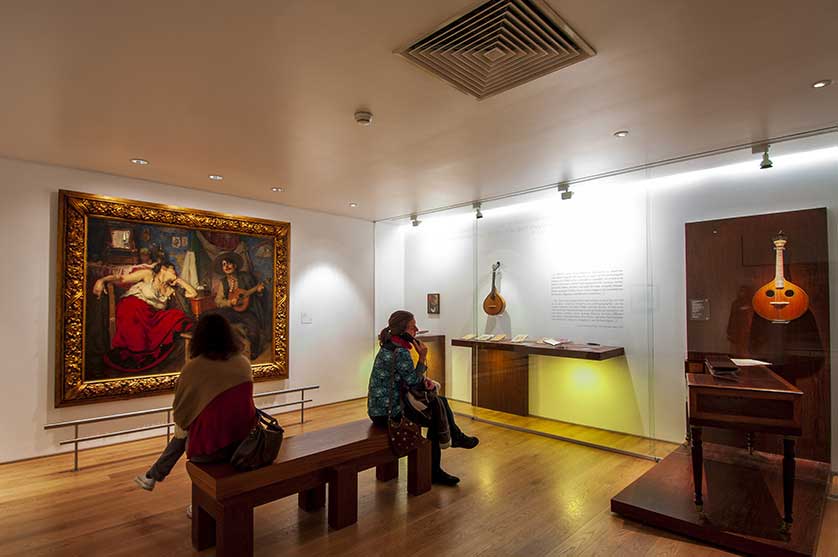
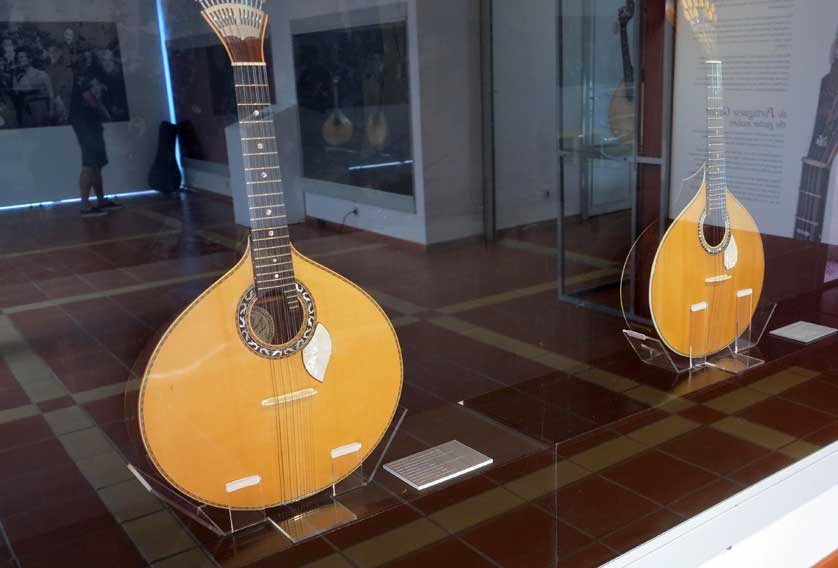
Usually, fado is performed by one singer accompanied by a 12-string Portuguese guitarra and often a Spanish-type guitar known in Portuguese as a viola. The guitarra derives from the Arab lute introduced during the Moorish period of Portuguese history. There are regional varieties of the viola including the viola braguesa from Braga, the viola amarantina from Amarante and the viola campanica alentejana from Alentejo.
There are two types - the Lisbon guitarra and the Coimbra guitarra.
If two singers are present they may engage in what is known as desgarrada, where they compete and play off each other.
Fado Lyrics
The sad and often heart-rendering lyrics of fado can be heard in this song by Amália Rodrigues, Que Deus Me Perdoe (May God Forgive Me).
If only my obscured soul
Could reveal itself
And if my silent suffering
Could tell all
Everyone would see
Just what a wretch am I
How I feign happiness
How I weep as I sing
May God forgive me
If it is a crime or sin
But I am this way
And by running away from fado
I would run from myself.
I clamour as I sing
And I feel no pain
If it is then a sin
To love fado
May God forgive me
Fado Houses
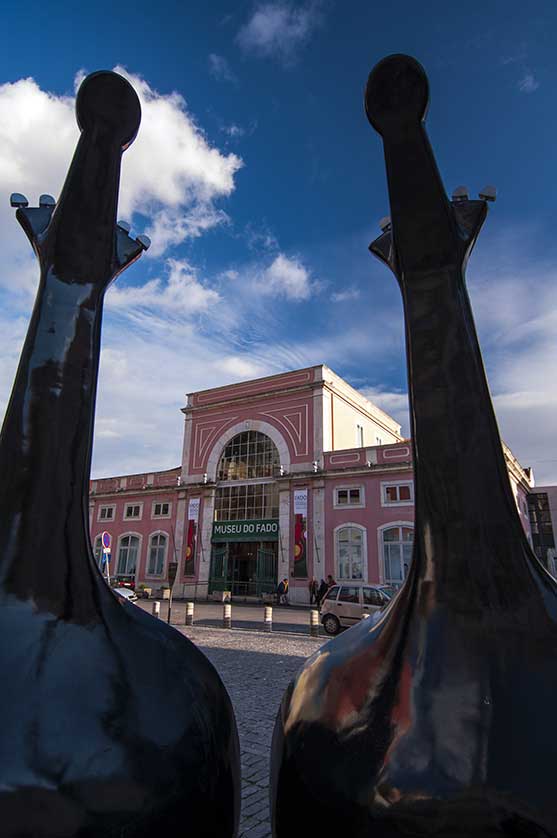
Fado clubs (casas de fado) can be found all over Portugal including Porto, the Algarve and even the islands of Madeira and the Azores. However, the most famous are in the capital Lisbon. Various travel agents offer an evening in a fado club which are mostly housed in intimate restaurants often a truly unforgettable and quintessentially Portuguese experience.
Fado Links
Articles on Portuguese Culture