Rivers In Portugal
Portugal's Rivers
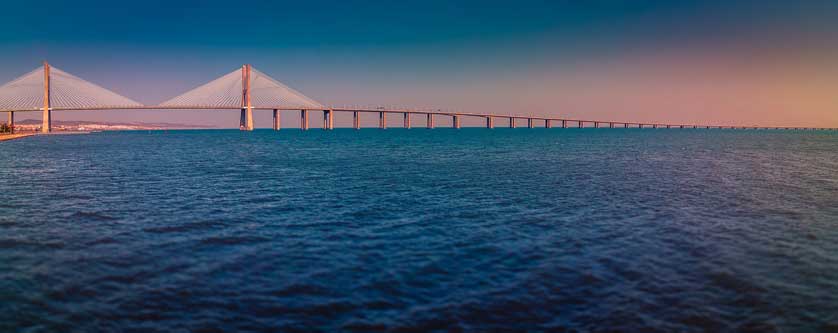
The major rivers in Porto include the River Tagus (Tejo), the River Douro, the Guadiana, Minho and Lima.
All have their source in neighboring Spain.
Purely domestic Portuguese rivers that flow only in the territory of Portugal are the River Mondego, the River Vouga, and the Sado.
The River Tagus famously flows through the capital, Lisbon, the Douro reaches the Atlantic Ocean in Porto, the Guadiana in Vila Real de Santo António, the Minho near Caminha and the Lima in Viana do Castelo.
The Minho in the north and Guadiana in the east also form part of the border with Spain.
Major Rivers in Portugal
See a listing of Portugal's major rivers.
River Tagus
The River Tagus (Tejo) is the longest river on the Iberian Peninsula. Altogether it is 1,007 km (626 miles) long. The source of its water is the mountains of the Sistema Ibérico (Iberian System) in Spain.
Along its route the river is harnessed to provide hydro-electric power in both Portugal and Spain by the use of dams.
In Portugal the Tejo flows through the following towns and cities: Abrantes, Entroncamento, Santarém, Almada, Vila Franca de Xira and Lisbon.
The Ponte 25 de Abril (25th of April Bridge) and the Vasco da Gama Bridge are two large and important bridges built over the river in the 20th century. Both are now landmarks and symbols of the city.
During the Medieval period large stretches of the river were navigable and used for transport between Portugal and Spain especially during the Iberian Union (1580-1640).
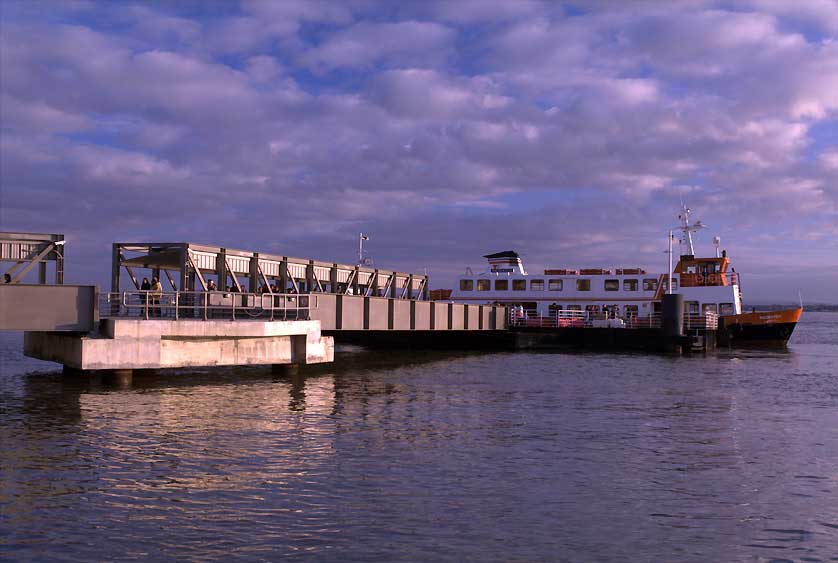
Nowadays the main river traffic are huge cruise ships that dock in the capital and Lisbon ferries. The latter ply from one bank to another from a number of ferry terminals. These include Belem (Estação Fluvial de Belem), Cais do Sodré and Terreiro do Paço.

River Douro
The River Douro ("River of Gold") in the north of the country is the third longest river in Iberia after the Tagus and the Ebro.
Altogether it is 897 km (557 miles) long. The source of the river is in the mountains of Soria Province in Spain. There are 15 dams along its course providing irrigation and hydro-electric power.
Economically important the river gives its name to the Douro region in Portugal.
The Porto & The Rio Douro region includes Porto and the town of Vila Nova de Gaia, on the south side of the Douro from Porto and famous for its port wine lodges. Other towns and cities in the area are Vila do Conde, Régua, Póvoa de Varzim, Amarante, Matosinhos and Penafiel.
The River Douro and its wine (including vinho verde around Penafiel) and port wine production have long dominated the historical growth and development of the area. Traditionally barrels of wine were taken down the river on traditional Rabelo boats.
Wine has been produced in the Alto Douro (upper Douro) district near Porto for over 2,000 years since Roman times.
Now famed for its main product of port wine, the intricately-terraced landscape has been shaped and cared for by the hand of man over the centuries. The scenic landscape is dotted with quintas (wine-producing estates), churches and small picturesque villages. The panoramas are stunning.
Visitors can enjoy vistas of the river on the Linha do Douro, a scenic railway line that connects São Bento Station and Estação de Campanhã in central Porto with the small town of Peso da Régua as well as the villages of Pinhão and Pocinho further up the valley.
River Guadiana
The River Guadiana is the third longest river in Portugal and the fourth longest in Iberia at 829 km (515 miles). It flows east to west in Spain and south when it enters Portugal.
Mértola, 54 km south east of Beja, is a beautiful and historic town located at the highest navigable point of the river, at its confluence with the smaller Oeiras River.
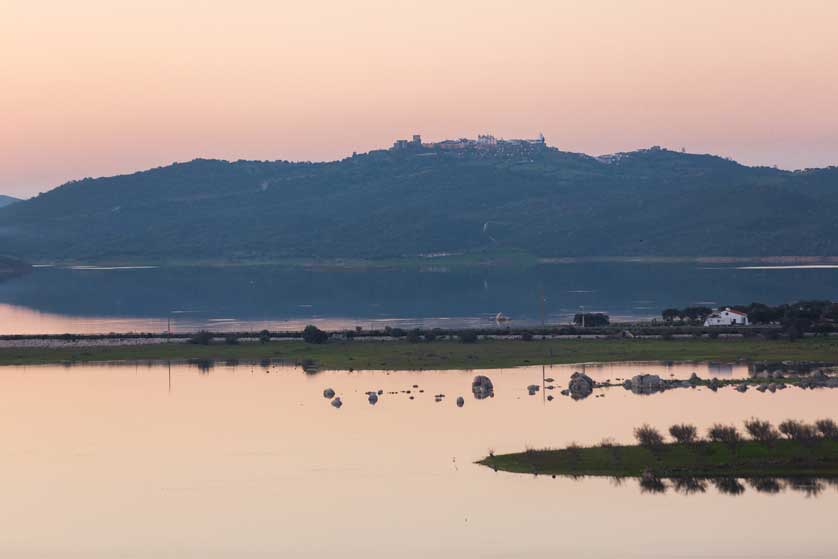
The Alqueva Dam on the river near the town of Monsaraz has created the largest artificial lake in Western Europe. The dam, too, is also the largest in Western Europe. Altogether, there are 30 dams on the course of the river.
The Guadiana reaches the Gulf of Cadiz between Ayamonte (in Spain) and Vila Real de Santo António (in Portugal). A ferry connects the two towns. Just to the north is an area of marsh and wetland - the Reserva Natural do Sapal de Castro Marim e Vila Real de Santo António. The A22/A49 highway linking the two countries is carried across the river on the 666 meter-long Ponte Internacional do Guadiana (Guadiana International Bridge).

River Minho
The Minho River is the fourth largest river in Iberia and the third longest in Portugal at 340 kilometres (210 miles). The river's source is north of the town of Lugo in Galicia.
In Portugal the Minho region is a rich, agricultural area growing a variety of crops including cabbage, corn, potatoes and grapes for the area's Vinho Verde wine.
The river marks a stretch of the northern border dividing Spain and Portugal, best illustrated by the bridge spanning the towns of Tui and Valença. It reaches the Atlantic Ocean between A Guarda in Galicia and Caminha in Portugal.

River Lima
The River Lima is 108 km (67 miles) in length with its source the 975 meter-high Talariño Mountain in Spain.
This lovely river flows through the town of Ponte de Lima which was on the Roman road from Braga to Santiago de Compostela. The name of the town refers to the superb Roman and Medieval bridge that spans the river.
The first bridge across the river was indeed Roman in origin and several arches of this bridge survive on the northern bank of the Lima.
The initial Ponte Romana was expanded in the 14th century and its graceful 31 granite arches are now the town's main attraction. The bridge is illuminated at night.
The bridge is for pedestrians only while a modern bridge downstream carries the N201 across the river.

River Mondego
The River Mondego is the longest river that flows only within Portugal (234 km; 145 miles). Its source is the Serra da Estrela (the highest mountain range in Portugal at over 1,400 meters). It enters the Atlantic Ocean at Figueira da Foz.
The Rio Mondego also flows through the city of Coimbra where the Ponte de Santa Clara is the oldest of the three bridges crossing the river in the city.
The Ponte Europa (Rainha Santa) and the Ponte de Acude are the other newer two bridges.
Aguieira Dam and Raiva Dam are the two dams on the river which also has two major tributaries the rivers Dão and Ceira.

River Tâmega
The River Tâmega also has its source in Galicia in Spain before entering the regions of Trás-os-Montes and Douro Litoral in Portugal.
A tributary of the Douro River, the 145 km-long river flows through the towns of Chaves and Amarante.
In Chaves the 140 metre-long Ponte Trajano (Trajan Bridge) dates from the reign of the Emperor Trajan (53-117) in the early second century AD.
This bridge over the River Tâmega is now pedestrianized and is one of the finest Roman bridges in Portugal, though it has undergone many restorations and repairs over the ages.

River Zêzere
The River Zêzere is the second longest river that flows only within Portugal after the Mondego.
A tributary of the Tagus it is 214 km (133 miles) in length. It flows through the towns of Manteigas and Belmonte and close to Covilhã.
River Sado
From its source in the Ourique hills, the River Sado flows 175 km (109 miles) north to the estuary at Setúbal. 10 km east of Setúbal is the Reserva Natural do Estuário do Sado, a protected wetland and a favorite with bird-watchers. Over 200 species of birds either nest or winter here including ducks, eagles, flamingos, oyster catchers, plovers and sandpipers. A Ramsar site, the nature reserve covers 23,160 hectares, including parts of the municipalities of Setúbal, Alcácer do Sal, Grândola and Palmela.
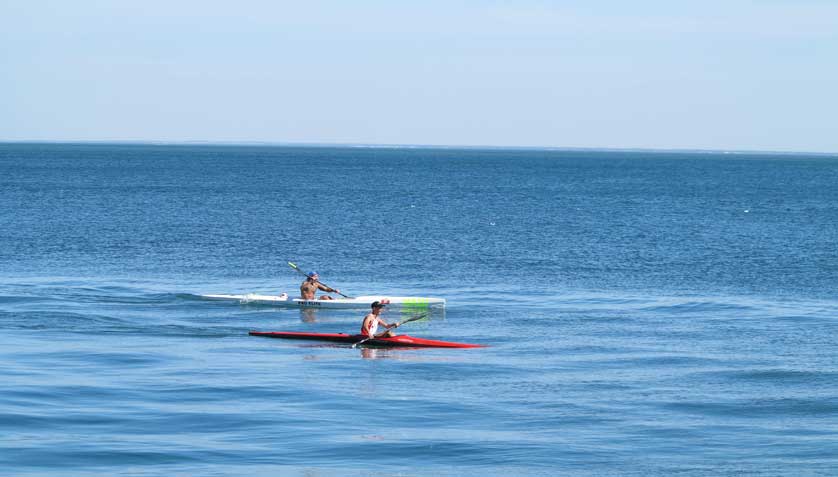
Boat trips on the river are a popular excursion in traditional vessels used to transport salt or watching the bottle-nosed dolphins in the estuary. Kayaking and wind-surfing also also popular pastimes on the water.

River Cávado
The River Cávado flows 135 kilometres (84 miles) from Fonte da Pipa to the sea at Esposende. The river flows north of the city of Braga and through Barcelos, where it has been spanned since the 14th century by the Ponte de Barcelos. More modern bridges carry major roads over the river to the east and west of Barcelos. Near to the river mouth at Esposende two more bridges carry north-south traffic over the river.

Other Notable Rivers in Portugal
The 148-km long River Vouga reaches the Atlantic at the lagoon in Aveiro (Ria de Aveiro).
The River Mira flows 145 kilometres (90 miles) in the Alentejo region of the country from the Serra do Caldeirão through Odemira and into the Atlantic. Like the Sado it flows south to north and enters the Atlantic Ocean at the small resort and fishing port of Vila Nova de Milfontes.
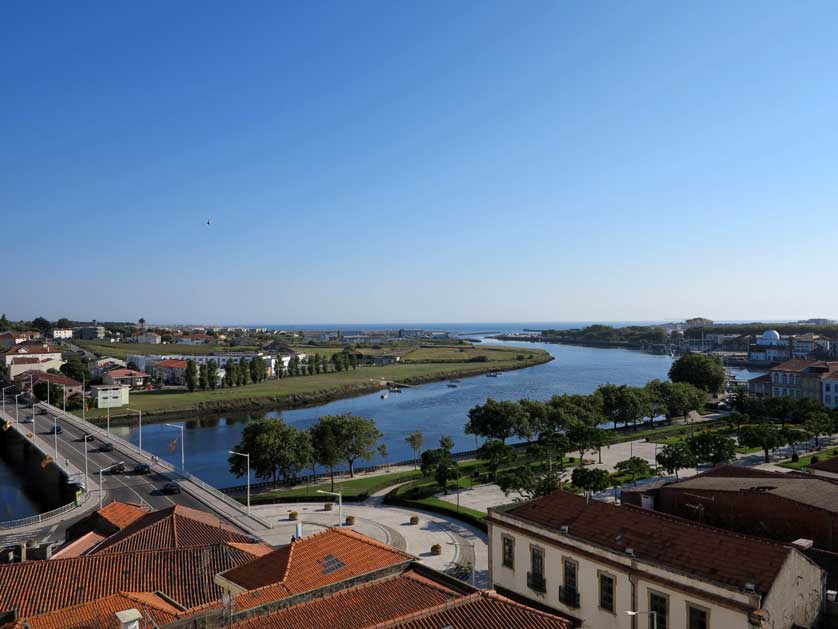
The Rio Ave reaches the sea at the town of Vila do Conde and gives its name to the local soccer team.

Lisbon Stay
Hotels in Portugal - Booking.com
Hotels in Lisbon - Booking.com
Lisbon Hop-On Hop-Off Bus, Tramcars, and Yellow Boat River Tour