Linha do Douro (Douro Line)
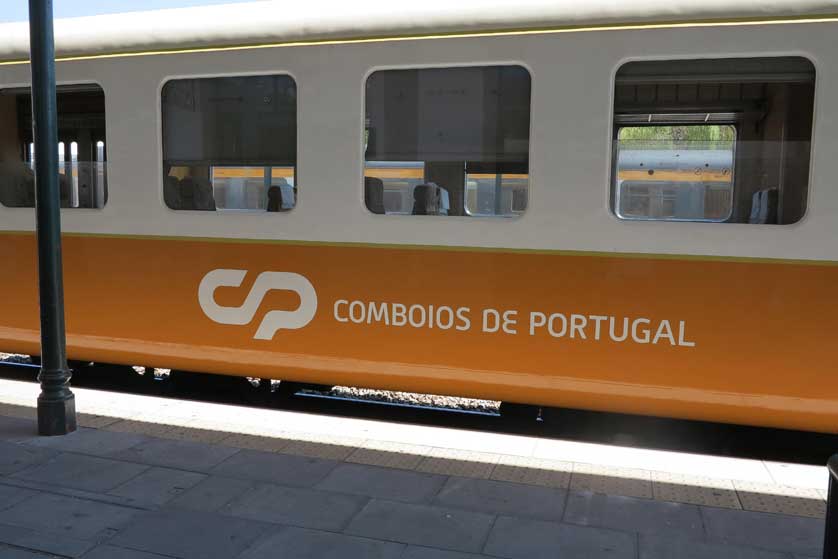
The Linha do Douro is part of the railway line that connects São Bento Station in central Porto with the small town of Peso da Régua and the villages of Pinhão and Pocinho in the Douro Valley.
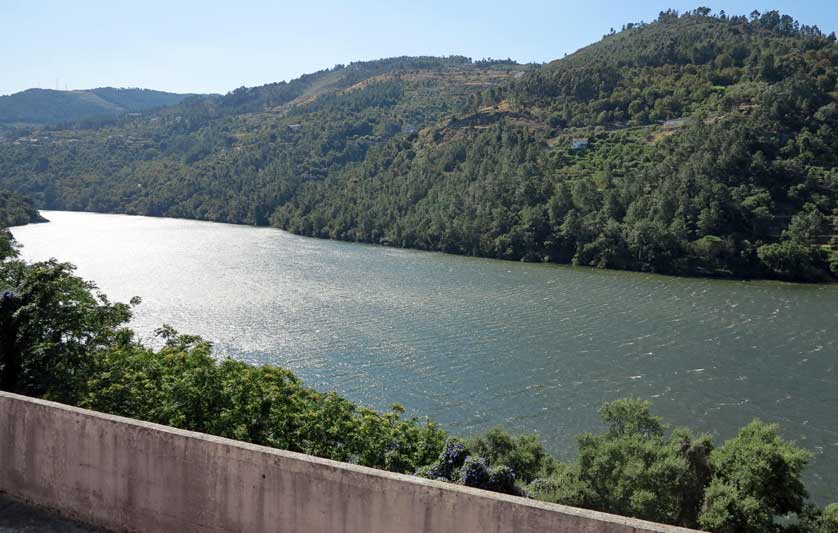
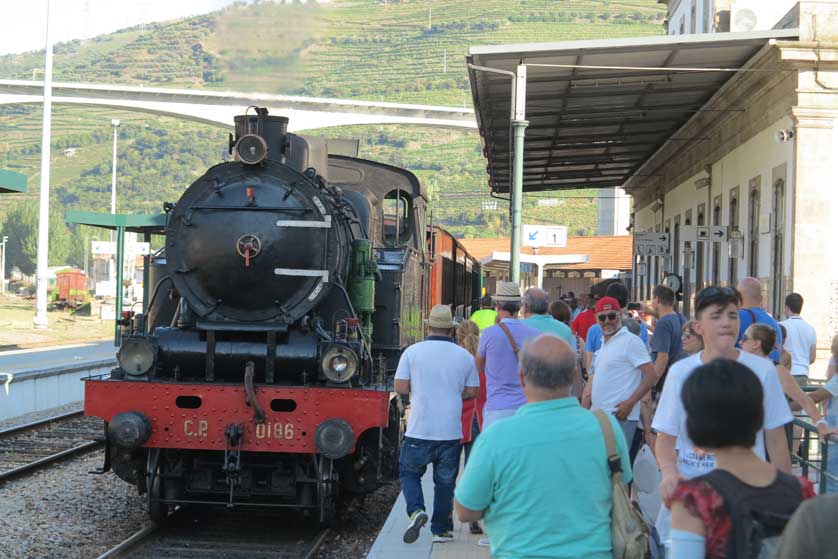
The stretch between Régua and the terminus at Pocinho along the side of the River Douro and its port wine terraces has been described as one of the most beautiful rail journeys in Europe.

History
The line was built in stages beginning in 1875 from Ermesinde to Barca d'Alva on the Spanish border. This section opened in 1887 and allowed connections through Spain to Salamanca and Madrid.
The line brought fertilizer and seeds etc to the interior and transported agricultural products to market in Porto and other urban centres.
In 1984 the line to Barca d'Alva from Pocinho closed after RENFE, the Spanish train operator, closed the line from La Fuente de San Esteban to the Portuguese border.
Five former branch lines have also stopped operations with the last sections closed in 2009.
Altogether the line stretches about 160 km.


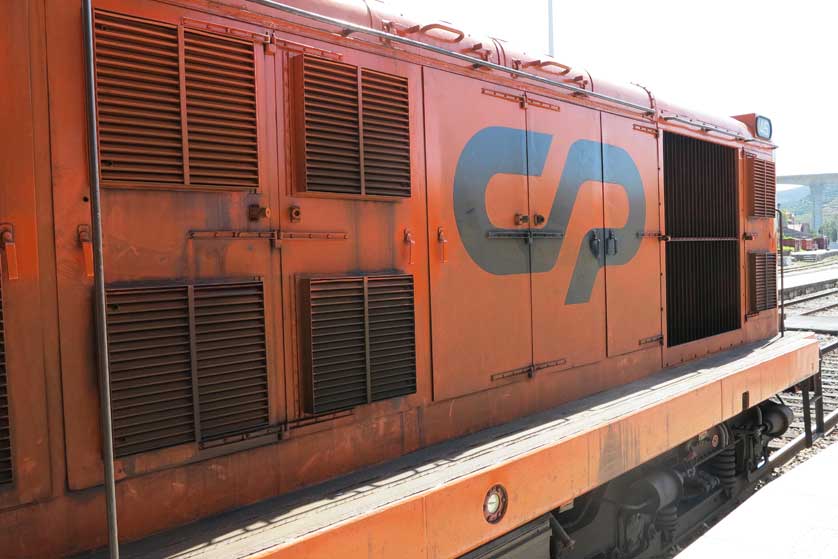
Trains on the Linha do Douro
Trains leave São Bento and Estação de Campanhã at various times during the day. Regional, InterRegional and Servico Urbano (local) trains run on the line.
There is a departure from São Bento to Régua and Pocinho at 9.10 am. The train arrives in Régua at 11.09 am and in Pocinho at 12.36 pm. Trains depart from Campanhã Station for Régua and Pocinho at 1.14 pm and 5.15 pm.
Many services from Porto only go as far as Régua. The most scenic part of the journey along the banks of the Douro from Régua via Pinhão to Pocinho runs five times a day.
The seating is in a 2 x 2 arrangement.
Please check the timetable below for full details.
Timetable (PDF) www.cp.pt
Important: if you book your ticket online with CP please bring along your passport as this will be checked with the name on the ticket by a conductor on the train.
São Bento is on the Porto metro Line D (Yellow).
List of Stations
The full list of stations on the Linha do Douro is a follows:
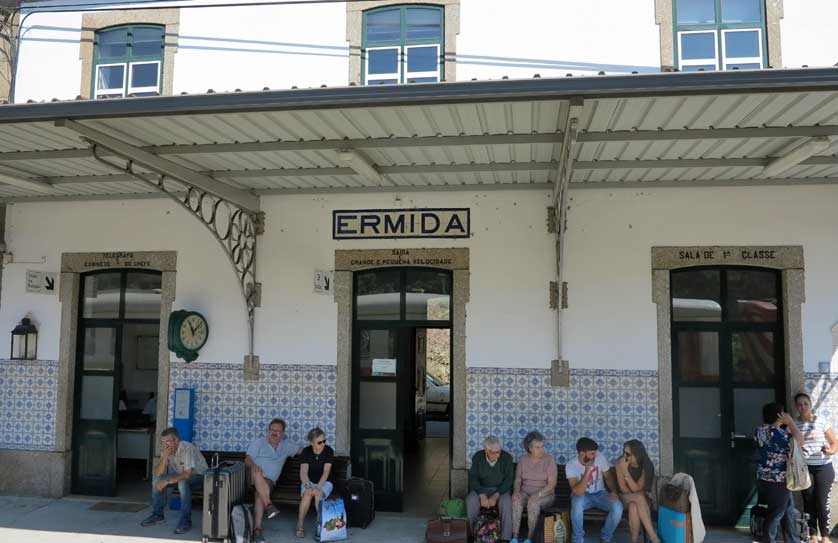
São Bento, Campanhã, Ermesinde, Parades, Penafiel, Bustelo, Meinedo, Caíde, Oliveira, Via Mea, Recesinhos, Livracão, Marco de Canaveses, Juncal, Pala, Mosteiro, Aregos, Mirao, Ermida, Porto Rei, Barqueiros, Rede, Caldas de Moledo, Godim, Régua, Covelinhas, Ferrão, Pinhão, Tua, Alegria, Ferradosa, Vargelas, Vesuvio, Freixo do Numão and Pocinho.
The main connecting sections on the route are Caíde, Marco de Canaveses and Régua.
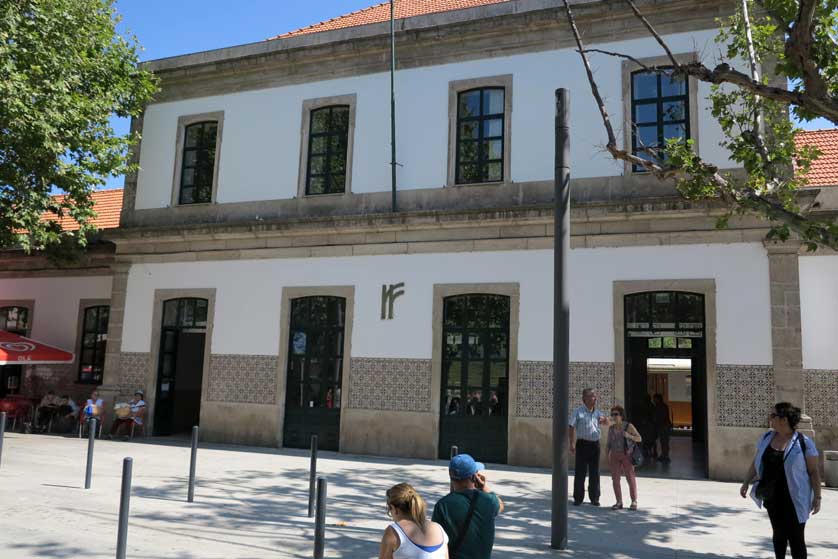
Things to See & Do
The small village of Pinhão can be seen in the 40 minutes or so if you arrive on the 9.10 am train from São Bento before catching the 1.21 pm train back to Régua.
In Régua there is more to do including short, fun, 60 minute cruises on the river. There are also several good restaurants in town and the excellent Museu do Douro. The museum has exhibits on the local wine-growing culture as well as some impressive modern art.
Cruises from Porto make the journey up the river to Régua. There are also river cruises from Régua up to Pinhão and Tua.
The local Tourist Office has information on visits to nearby quintas (vineyards) as well as on places to stay. Some recommended hotels include the Original Douro Hotel, the Quinta De Tourais, the Hotel Columbano and the four star Delfim Douro Hotel.
See here for a listing of hotels in Régua.
Taking the 9.10 am departure from São Bento and returning on the 5.54 pm train from Régua gives time for lunch, a river cruise and a visit to the Museu do Douro.
Portugal Train Information
Full information and schedules on express and local trains in Portugal are available at www.cp.pt
Full information and online booking for all rail passes in Portugal and Spain is available from ACP Rail.
Map
Hotel Accommodation in Porto
Hotels in Porto - Booking.com
Mercure Porto Centro Santa Catarina
Book the Grande Hotel do Porto
Hotels in Portugal - Booking.com
Order your Porto Card online with Get Your Guide