Roman Circus, Mérida
Circo Romano de Mérida (Extremadura, Spain)

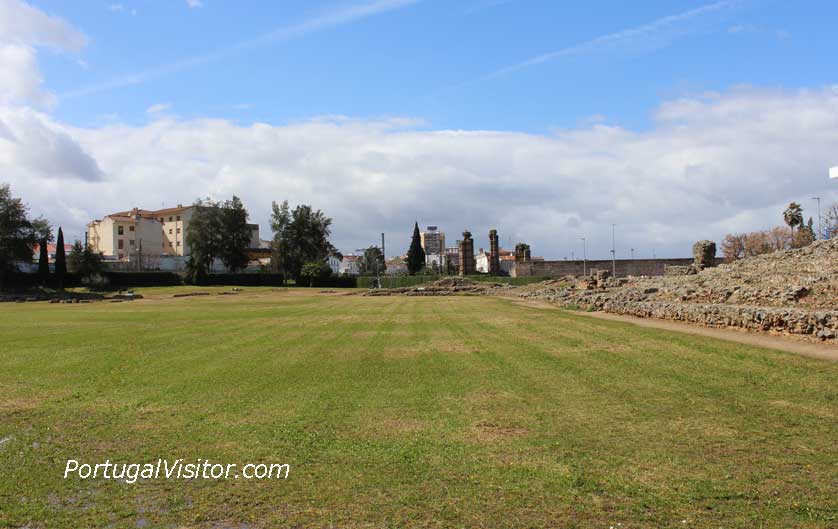
The Roman Circus (Circo Romano) in Mérida is the remains of a circuit used for chariot racing during the Roman period. The track was modelled on the Circus Maximus in Rome. Now in ruins, it measured more than 400 meters (1,300 feet) in length and 30 meters (98 feet) width. Altogether it could accommodate around 30,000 spectators. It is close to both the Acueducto de San Lázaro and Termas de San Lázaro Roman baths.



History
The precise dating of the circus is unknown, though it is believed to have been built at the beginning of the 1st century AD, during the reign of Tiberius. Experts believe it may have been in use until the 6th century.
The chariot races in the circus and the spectacles in the amphitheater were the two most favored forms of entertainment among the Roman populace of Emerita Augusta. These events were frequently sponsored by affluent members of the ruling elite, often to mark significant occasions or to serve political or promotional aims.
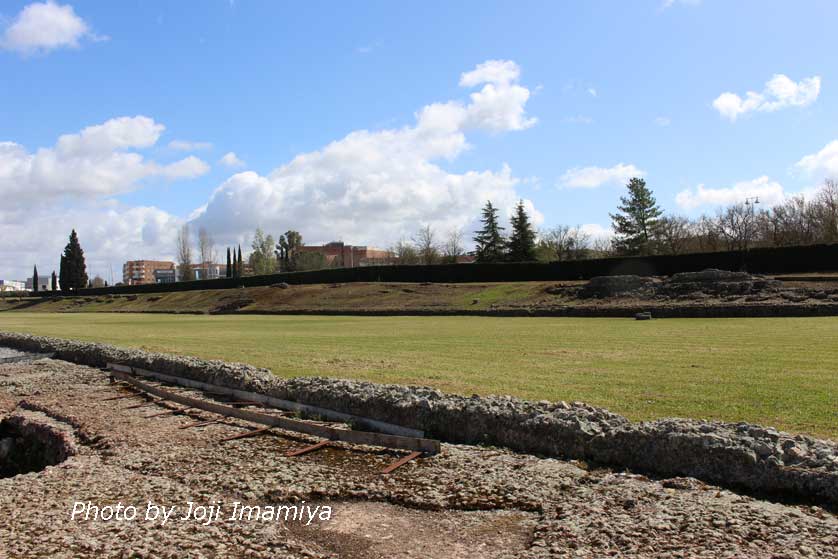
Because of its size, it was constructed outside the city walls, approximately 400 meters from the colony's other major entertainment complex, which included the theater and the amphitheater. It lies close to the ancient Roman roads that once led to Toledo and Córdoba.
Among charioteers in this period, the Lusitanian Gaius Apuleius Diocles stood out as the greatest chariot driver in the history of Ancient Rome, and he likely began his career at the circus in Mérida.
Architecture
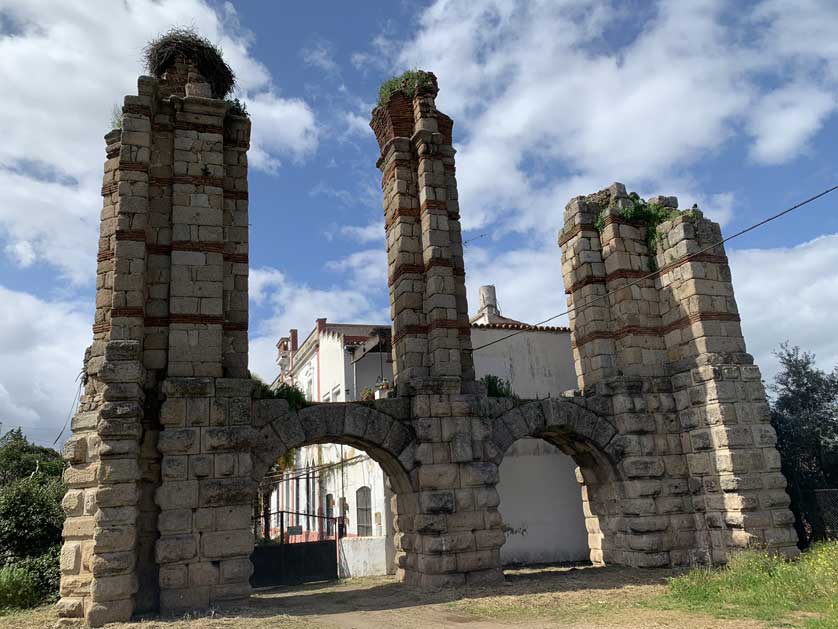
The track is remarkably well-preserved. Several structures are still standing. These include the Porta Pompae ("main entrance"), the Porta Triumphalis ("gate of triumph"), the spina (the longitudinal wall around which the chariots raced) and the tribunal iudicium ("tribune of the judges"). Spectators sat on tiered stands (cavea), and the structure included separate access points for different social classes, reflecting the social hierarchy of Roman life.
An small but interesting visitor center allows entrance into the fenced-off area around the circus. There are wall panels with information on the history and architecture of the site.
Access
Avenida de Juan Carlos I, s/n, 06800 Mérida, Badajoz, Spain
Admission: presently 6 Euros or as part of a combined ticket 15 Euros - (Theatre-Amphitheatre, Alcazaba, Circus, Morería, Crypt of the Basilica of Santa Eulalia and House of Mithraeum-Columbarium). Hours: October 1 to March 31; daily 9 am to 6.30 pm; April 1 to September 30; daily 9 am to 9 pm; closed December 24, 25, 31 and January 1.
The circus is a 25 to 30-minute walk east from Mérida Station.
Mérida train station has rail connections to Alcázar de San Juan, Almendralejo, Badajoz Station in Badajoz, Cabeza del Buey, Madrid-Chamartin, Cáceres, Don Benito-Villanueva de la Serena, Zafra, Sevilla and Plasencia.
The bus station in Mérida is across the Puente Lusitania on the opposite bank of the River Guardiana. It is about 30 minutes on foot.
Accommodation in Mérida
The city has a wide selection of hotels, guest houses and pensions.
The Hotel Ilunion Mérida Palace in Plaza de España offers an outdoor pool and rooftop terrace in a restored 15th century palace.
The four-star Hotel Ilunion Las Lomas slightly outside the center has an outdoor pool, a bar and restaurant.
The Hotel Velada Mérida is also four-star. Facilities include a pool and cafe-bar.
Other places to stay in this lovely city include the luxury Parador de Mérida once an 18th century convent. Enjoy the traditional-style inner courtyard and beautiful gardens and dine at the hotel restaurant.
Hotel Cervantes is a budget two-star property for travelers on a tighter budget.
See a listing of hotels in Mérida

Maps
