Roman Amphitheater, Mérida (Anfiteatro de Mérida)
Mérida - Anfiteatro de Mérida (Extremadura, Spain)
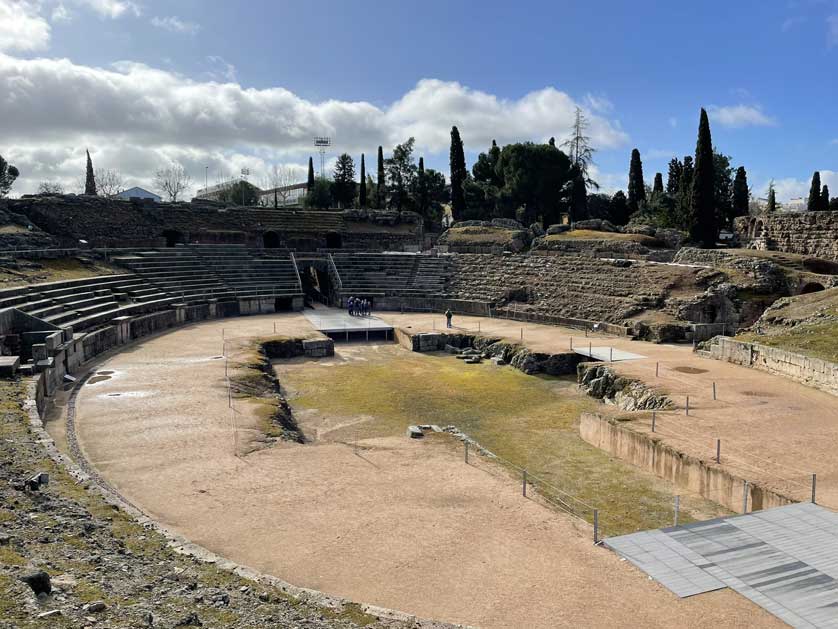
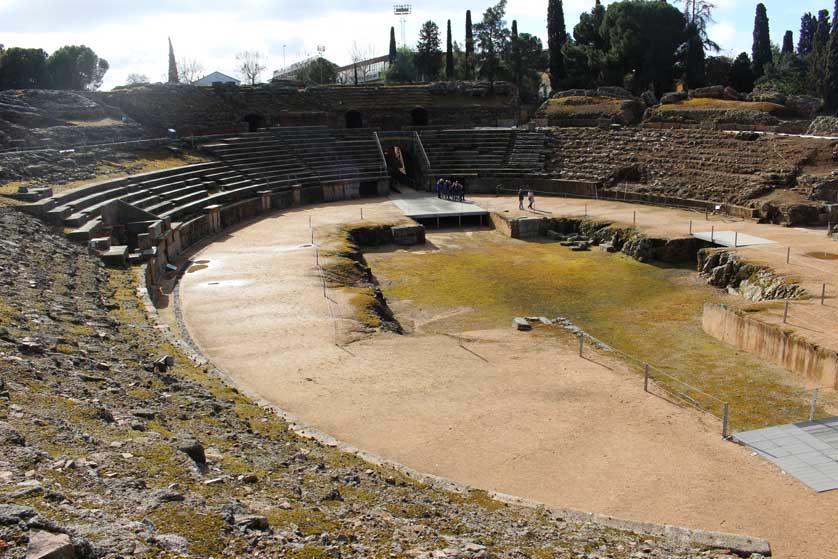
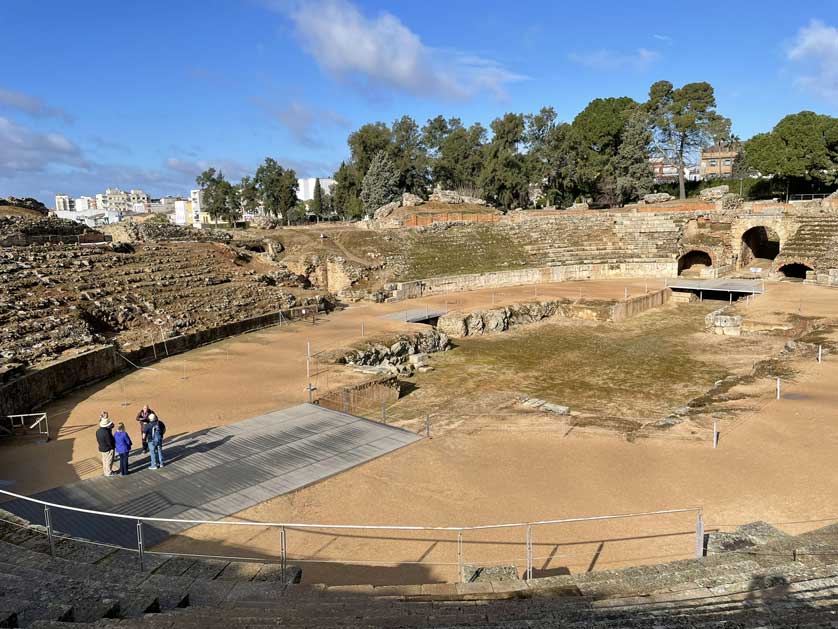
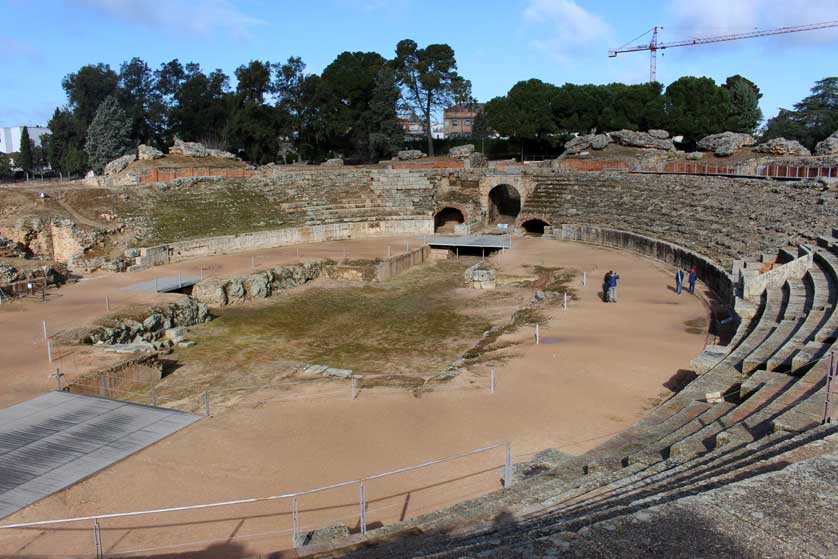
The Roman Amphitheater (Anfiteatro de Mérida) in Mérida stands adjacent to the superb Roman Theater. The equally stunning Anfiteatro (Amphitheatre) once staged gladiatorial contests before eager crowds of 14,000 people.
Along with the Temple of Diana, Teatro Romano, Puente Romana (Roman Bridge), Circo Romano (Roman Circus), Acueducto de los Milagros (Aqueduct of the Miracles), Museo Nacional de Arte Romano (MNAR) and Arco de Trajano, it makes up part of the Archaeological Ensemble of Mérida, a UNESCO World Heritage Site.
History
Augusta Emerita (Mérida) was founded in 25 BCE by Emperor Augustus as a settlement for retired soldiers of the Roman legions (emeriti), hence the name Augusta Emerita. The city quickly grew into one of the most important in Roman Hispania and became the capital of Lusitania, a major Roman province.
The amphitheater was constructed around 8 BCE, shortly after the adjacent Roman theater. It was used primarily for gladiatorial combat, animal hunts (venationes), and public spectacles, reflecting the Roman emphasis on leisure and martial prowess.
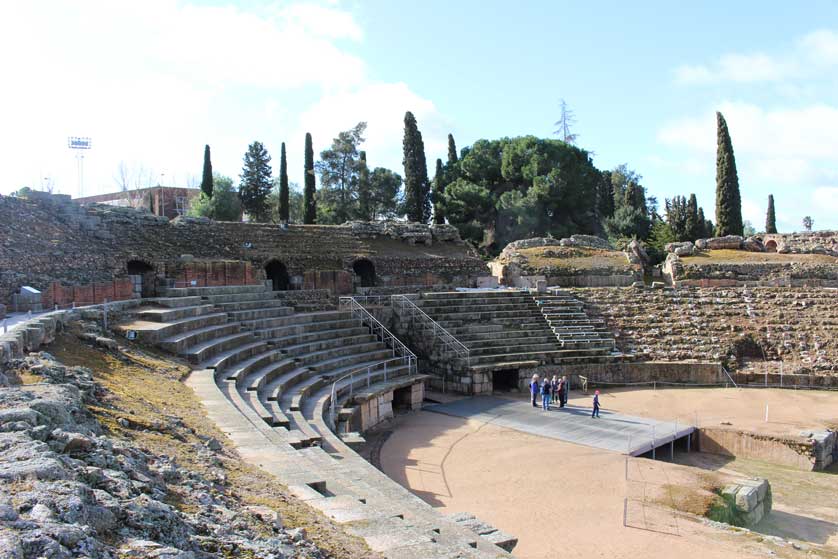
As with most Roman arenas, seating was stratified by social status. The lower tier (ima cavea) was reserved for the elite. The middle (media cavea) and upper (summa cavea) tiers were for the general populace.
The building was abandoned after the fall of the Roman Empire and partially dismantled for materials during the Middle Ages.
The Gladiators
In the first century, Emperor Augustus banned death in the arena, although later, other emperors lifted the ban. The gladiatorial fight rewarded skill in movement and strength, but falls, blows, cuts and wounds that deformed with scars of the body and faces of the fighters were frequent.
The diet of a gladiator consisted of meat, barley and beans. Infusions with ashes of bone and wood helped to strengthen the bones. The night before the fight, they were offered a special and abundant dinner.
There were several types of gladiators including the hoplomachus, murmillo, retiarius and secutor.
Architecture
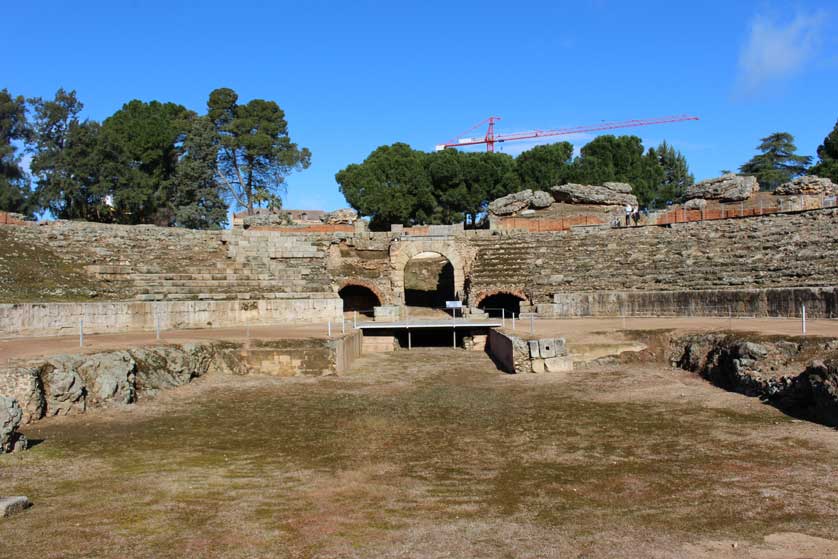
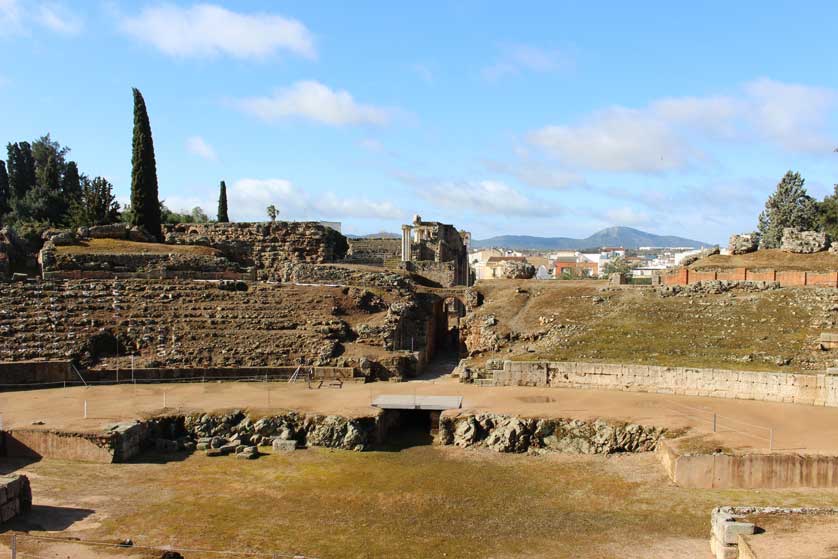
The amphitheatre's arena, 64.5 metres long and 41.2 metres wide, has a large pit in the center which was covered with a wooden floor for the games to take place. The fights, in pairs or groups, usually took place in the afternoon. Normally a referee and his assistant ensured the rules of the fight were obeyed, using a staff if necessary. Music was another important feature, used to delineate the stages of the spectacle, which started with a duel between two horse-riders, followed by the rest fighting in pairs, according to weapons and experience.
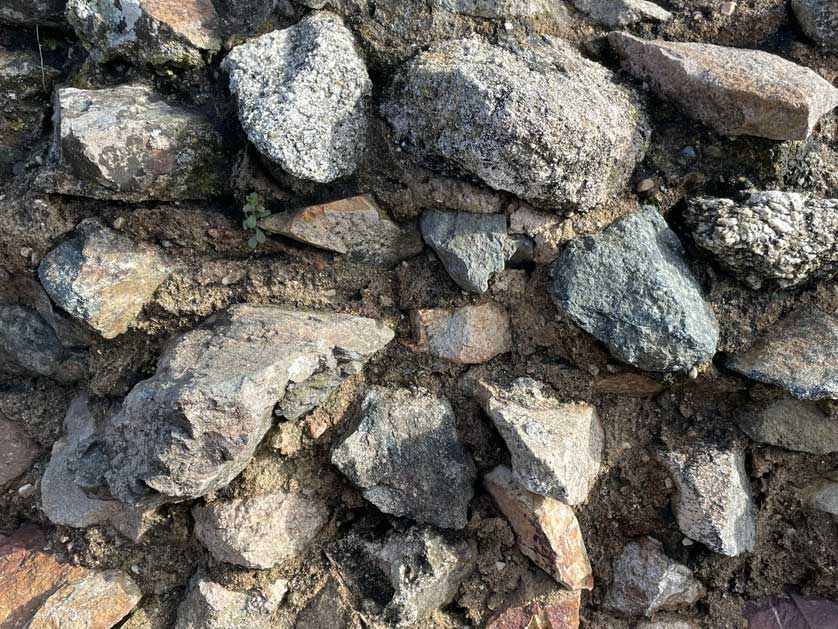
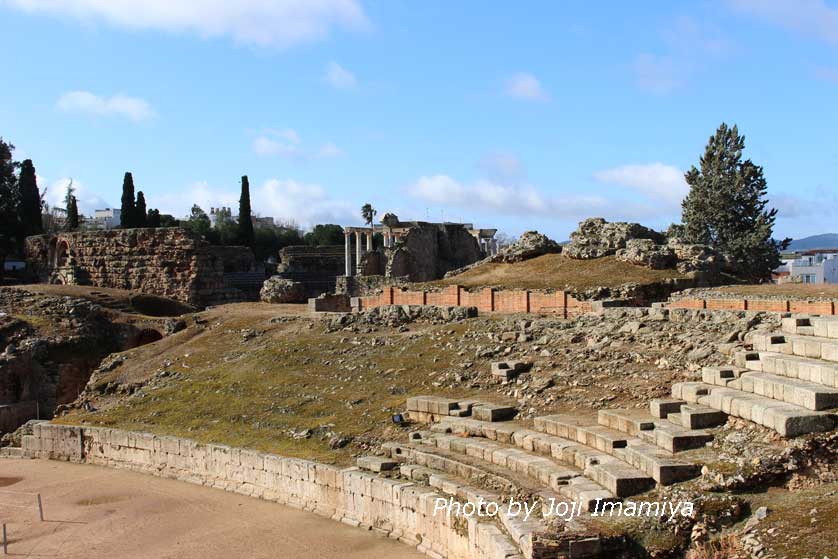
The Romans used opus caementicium (concrete) to build the core of the amphitheatre, as this kind of material made it very strong. They used lime, pebbles and river sand, as well as medium-sized amphibolites (a kind of rock). Visible are large concrete blocks, moved from their original position, which were used as seats in the middle and upper stands. The eastern stand of the amphitheatre, was built exploiting the natural slope of the land.
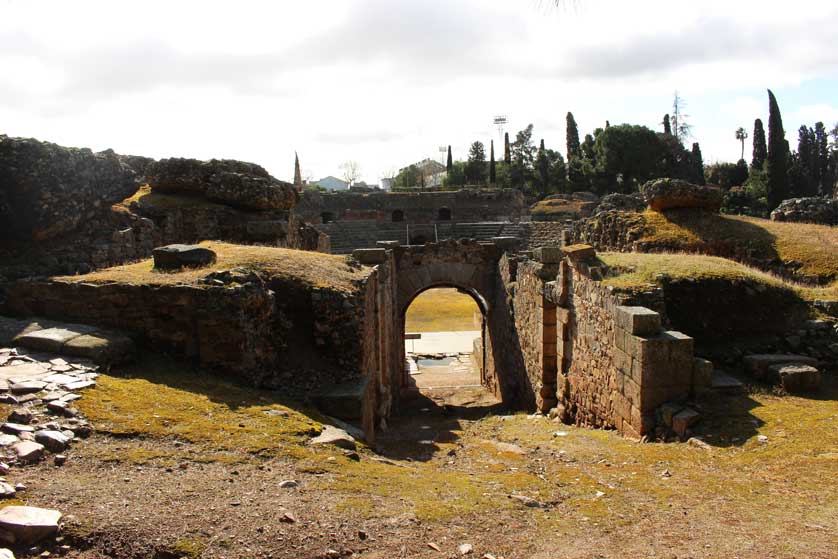
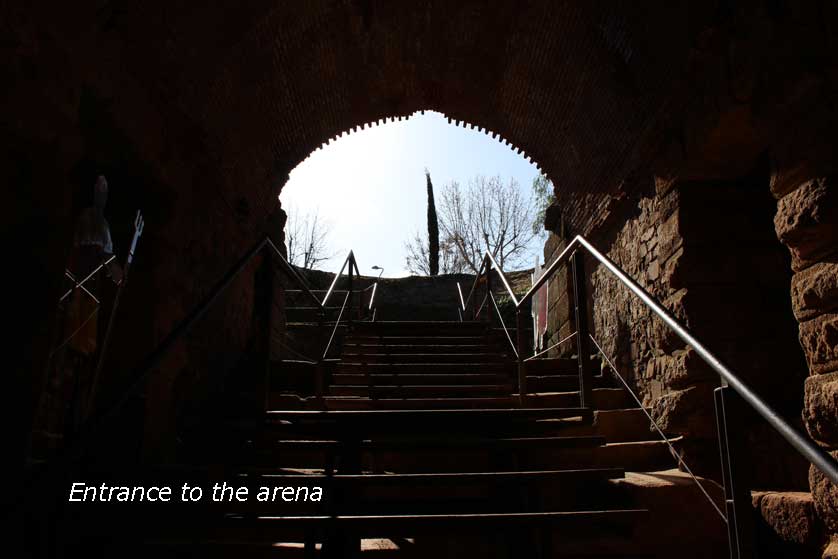
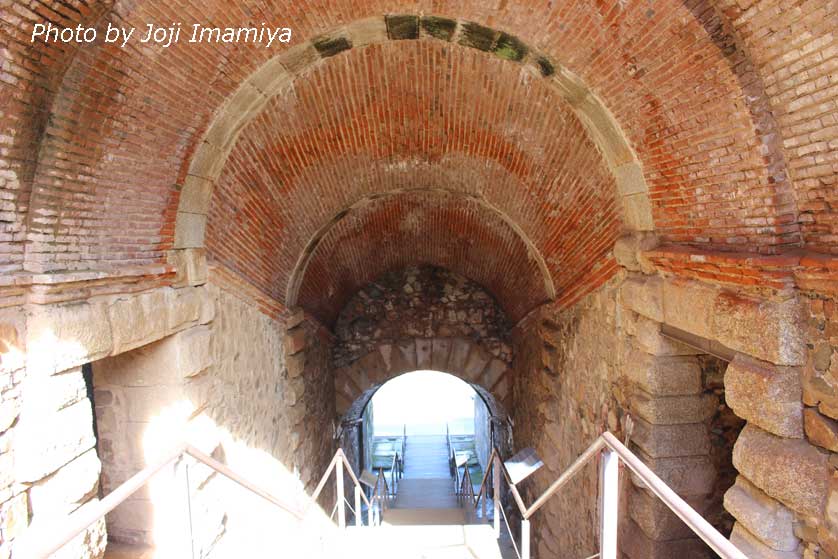
There were several vaulted corridors and gates for public access, gladiator entrances, and service use. While largely austere now, the arena was originally adorned with statues, reliefs, and painted surfaces. There was also a subterranean corridor used to house animals and scenery.
Modern Use
The amphitheater is sometimes used for re-enactments and educational events showcasing Roman life and gladiatorial games.
Accommodation
The city of Mérida has a wide selection of hotels, guest houses and pensions.
The Hotel Ilunion Mérida Palace in Plaza de España offers an outdoor pool and rooftop terrace in a restored 15th century palace.
The four-star Hotel Ilunion Las Lomas slightly outside the center has an outdoor pool, a bar and restaurant.
The Hotel Velada Mérida is also four-star. Facilities include a pool and cafe-bar.
Other places to stay in this lovely city include the luxury Parador de Mérida once an 18th century convent. Enjoy the traditional-style inner courtyard and beautiful gardens and dine at the hotel restaurant.
Hotel Cervantes is a budget two-star property for travelers on a tighter budget.
See a listing of hotels in Mérida

Access & Hours
Address: Plaza Margarita Xirgu, s/n, 06800 Mérida, Badajoz
Admission: presently 13 Euros for the Theatre-Amphitheatre, or as part of a combined ticket - (Alcazaba, Circus, Morería, Crypt of the Basilica of Santa Eulalia and House of Mithraeum-Columbarium).
Hours: October 1 to March 31; daily 9 am to 6.30 pm; April 1 to September 30; daily 9 am to 9 pm; closed December 24, 25, 31 and January 1.
Mérida Station is a 15-minute walk from the theater. The railway station is at the junction of two lines: east-west between Badajoz and Madrid and south to Sevilla Santa Justa via Zafra. It has rail connections to Alcázar de San Juan, Almendralejo, Badajoz Station in Badajoz, Cabeza del Buey, Madrid-Chamartin, Cáceres, Don Benito-Villanueva de la Serena, Zafra, Sevilla and Plasencia.
From Badajoz Station to the west there are trains to Entroncamento in Portugal, with connections from there to Lisbon and Porto.
The bus station in Merida is across the Puente Lusitania on the opposite bank of the River Guardiana.
Maps

Gallery