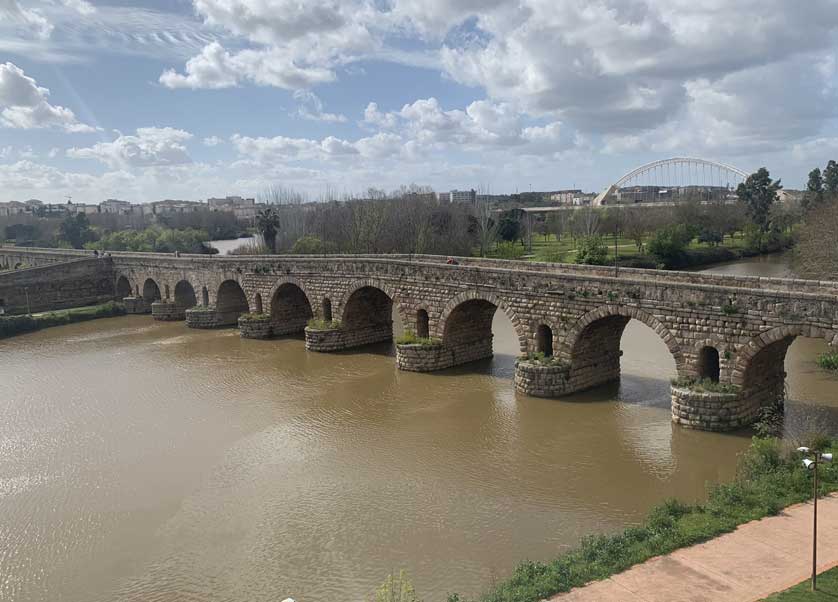
Mérida Roman Bridge
Puente Romano de Mérida (Extremadura, Spain)
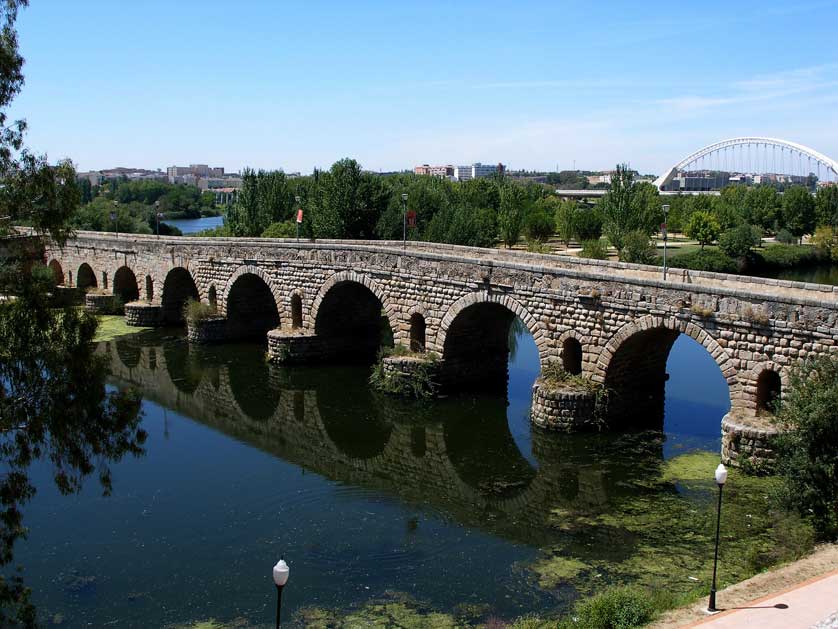
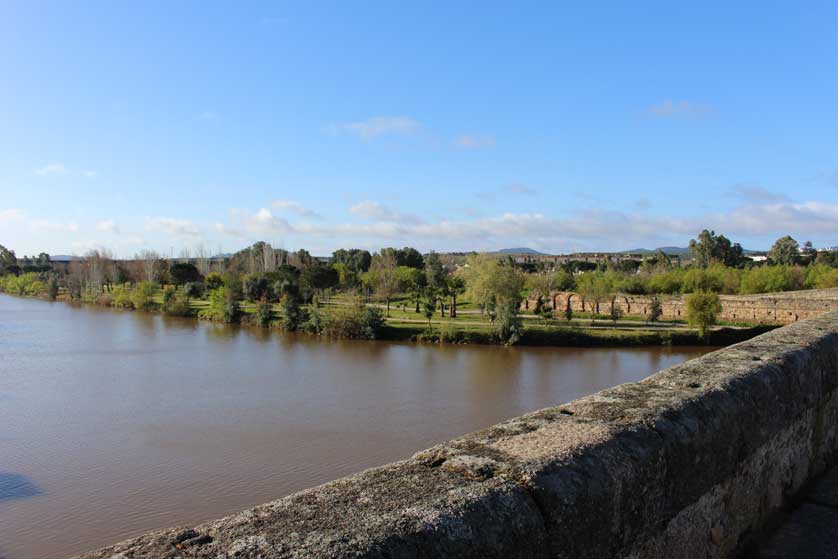
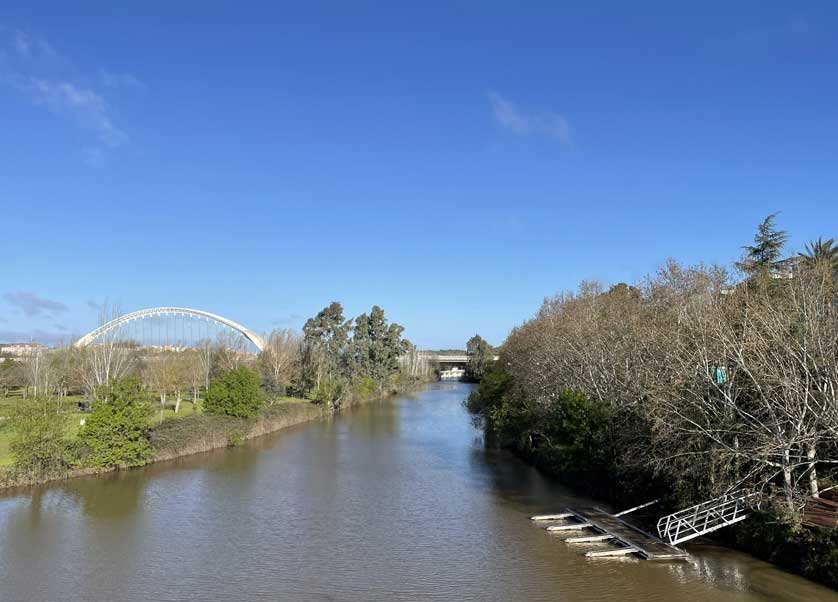
The Puente Romana that spans the Guadiana River in Mérida is the longest of all Roman bridges in the world. The 721 meter-long bridge has 60 spans (3 buried) and is still in use as a pedestrians-only crossing. It dates from 25 BCE when the city was first founded. The sleek Puente Lusitania by acclaimed Spanish architect Santiago Calatrava carries road traffic and was constructed in 1991.
History
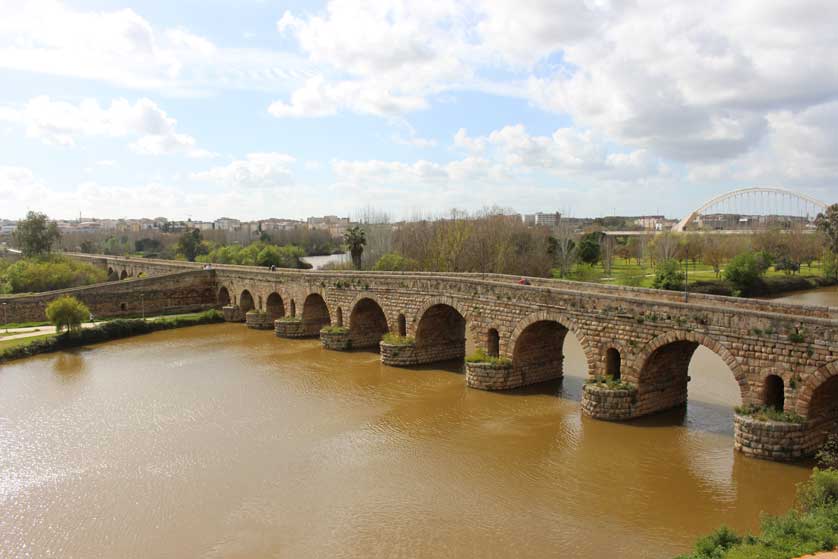
Constructed in the 1st century BCE during the reign of Emperor Augustus, the bridge was a crucial part of the Roman road system, linking Emerita Augusta (modern-day Mérida) to other key cities of the empire. Built using granite ashlar masonry, it originally had 64 arches, though modifications and restorations over centuries have altered its structure.
The bridge played a vital role in the city's defense during the Moorish and Christian periods, serving as a strategic crossing point. Today, it stands as a pedestrian-only bridge, part of Mérida's rich Roman heritage and the Archaeological Ensemble of Mérida, a UNESCO World Heritage Site. The Archaeological Ensemble of Mérida includes the Roman Theater, Ampitheater, Temple of Diana and Circo Romano (Roman Circus).
Close to the bridge is the 9th century, Moorish Alcazaba of Mérida.
Accommodation
The city has a wide selection of hotels, guest houses and pensions.
The Hotel Ilunion Mérida Palace in Plaza de España offers an outdoor pool and rooftop terrace in a restored 15th century palace.
The four-star Hotel Ilunion Las Lomas slightly outside the center has an outdoor pool, a bar and restaurant.
The Hotel Velada Mérida is also four-star. Facilities include a pool and cafe-bar.
Other places to stay in this lovely city include the luxury Parador de Mérida once an 18th century convent. Enjoy the traditional-style inner courtyard and beautiful gardens and dine at the hotel restaurant.
Hotel Cervantes is a budget two-star property for travelers on a tighter budget.
See a listing of hotels in Mérida

Access & Hours
Mérida Station is at the junction of two lines: east-west between Badajoz and Madrid and south to Sevilla Santa Justa via Zafra. It has rail connections to Alcázar de San Juan, Almendralejo, Badajoz Station in Badajoz, Cabeza del Buey, Madrid-Chamartin, Cáceres, Don Benito-Villanueva de la Serena, Zafra, Sevilla and Plasencia.
From Badajoz Station to the west there are trains to Entroncamento in Portugal, with connections from there to Lisbon and Porto.
The bus station in Merida is across the Puente Lusitania on the opposite bank of the River Guardiana.
Maps