Portuguese Gastronomy

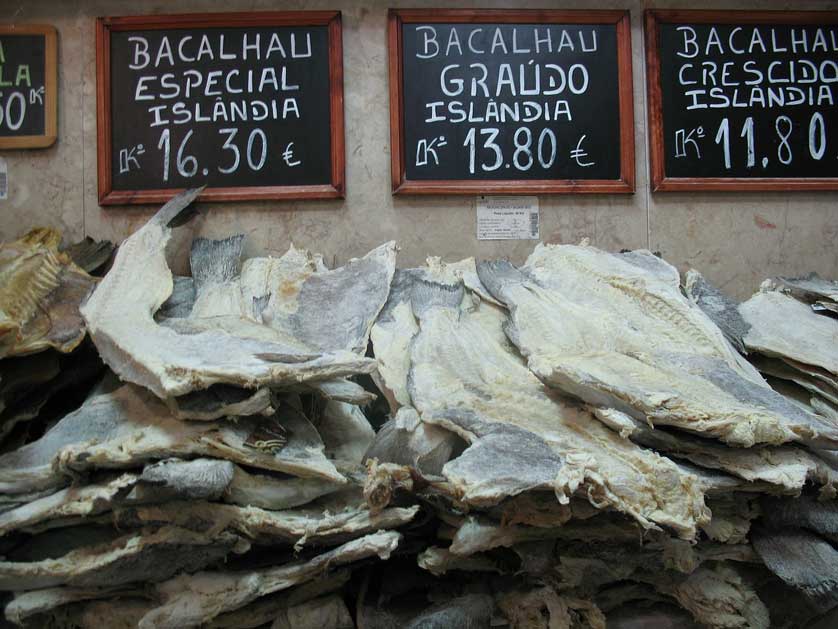
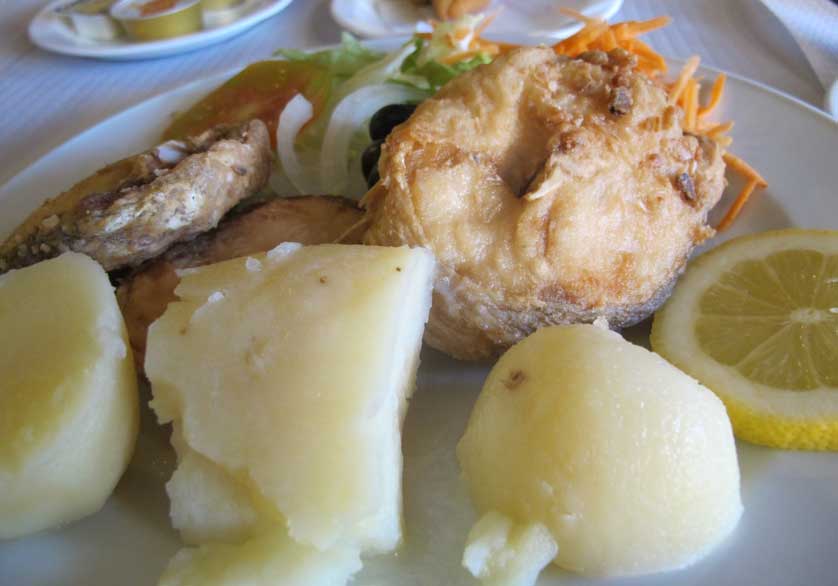
We have written before on the delights of Portuguese cuisine and wine. Until only recently, however, Portuguese food has largely flown under the collective radar. French, Italian and Spanish cuisine were bigger names with high streets across Europe serving up pasta and paella in monotonous, bland abundance. Portuguese gastronomy almost felt like an oxymoron or a contradiction in terms - endless Bacalhau (cod, cod and more cod) and Franchesinha - all washed down with Port wine and Mateus Rose.
The status quo has changed. Portugal is no longer the poor person of Europe. It is governed by one of the few liberal, progressive, left-of-center governments in Europe. People want to go there and experience what it has to offer including its once disregarded cuisine.
The country and its cuisine are being rediscovered. Celebrities, large and small, as well as a growing number of expats and retirees are relocating to the country. Madonna, who has a love affair with fado and saudade bought a house in Lisbon, Ai Wei Wei, the famous Chinese artist moved to the Alentejo from the UK, and Alastair Leithead, the BBC journalist, is now trying his hand living off-grid and producing wine.
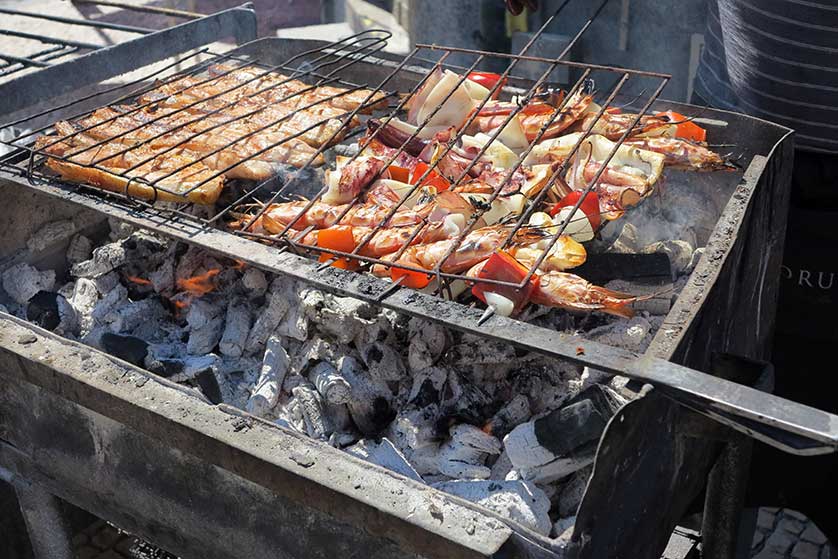
For a relatively small nation, Portugal has surprising gastronomic variety. The Estremadura region, which includes Lisbon, is famous for its seafood - the fish market at Cascais, just outside the capital, is one of the largest in the country - while the production of sausages and cheese elsewhere adds another dimension to the national cuisine.
Celebrity Chefs
A major driving force behind the rise of Portuguese gastronomy has been the appearance on the world stage of a number of Portuguese celebrity chefs and restaurateurs.
José Avillez has earned Michelin stars for his acclaimed Belcanto restaurant in the Bairro Alto (Chiado) district of Lisbon. Avillez also runs Bairro do Avillez, Cantinho do Avillez, Mini Bar and Pizzeria Lisboa in the capital.
Henrique Sá Pessoa is another star of the new wave in Portuguese gastronomy with his acclaimed Alma in Chiado and also a fun outlet at Mercado da Ribeira near Cais do Sodre Station.
Alexandre Silva also has an outlet at the Time Out food market in Cais do Sodre. He also has two Michelin stars for his wonderful eatery Loco near the Basílica da Estrela.
It is not all men though. Justa Nobre is known to most Portuguese from her TV appearances and cookery books. Her restaurant O Nobre is in Campo Pequeno.
Finally, a young, rising star of Portuguese cuisine is Kiko Martins with his two recommended eateries, O Talho for excellent meat-based meals and A Cevicheria which has a more fish-based menu.

Fresh Markets
We live in a world where we increasingly buy our food pre-cooked, wrapped in plastic from huge supermarkets.
This is not always the case in Portugal, however.
Municipal markets still exist in almost every town and village in the country offering fresh meat, fish, cheese and vegetables.
The ready availability of fresh produce has definitely powered the boom in interest in Portuguese cuisine in the last decade.

Meat & Fish
It is a no-brainer to say that meat is a staple in the northern regions of Portugal, especially in Trás-os-Montes (lit. "Beyond the mountains") around the cities of Bragança, Chaves and Vila Real. This area of Portugal is the most distant from the ocean.
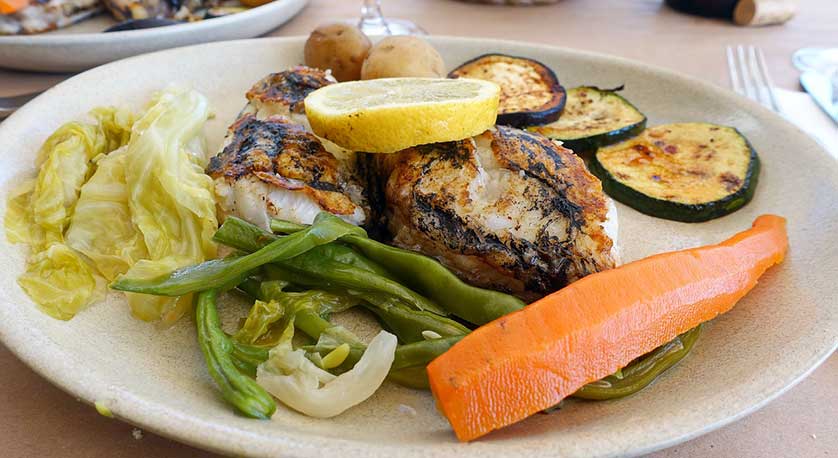
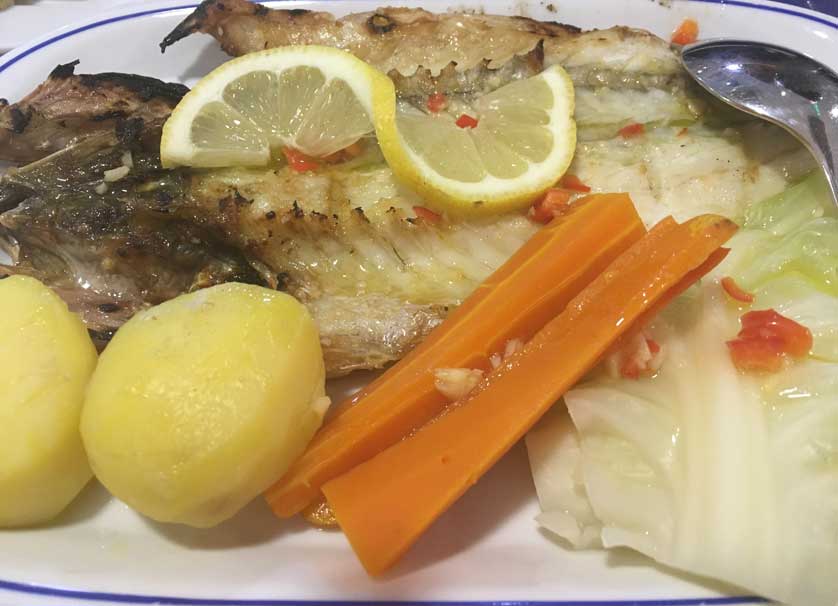
Fish, of course, is a staple of the Portuguese diet on the Atlantic littoral, the long coast that stretches from Viana do Castelo on the northern border with Spain to Sagres on the southwestern tip of Portugal in the Algarve.
The Barrosã breed of cattle provides some of northern Portugal's (and Galicia's) best meat. Like wine it has the status of DOC (Denominação de Origem Controlada) and also PDO (Protected Designation of Origin). Its long horns are the animal's most distinctive feature and can grow to over a meter in length. Known for its tenderness, Barrosã beef is best served grilled
Portuguese Pastries
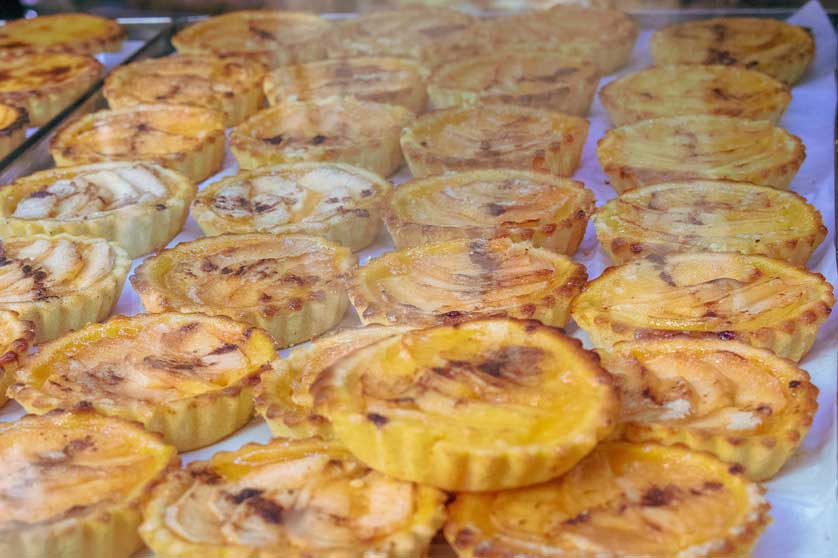
Those with a sweet tooth may be interested to learn that one of Portugal's best-kept culinary secrets is its vast and distinctive range of desserts, cakes and pastries. A staple of restaurant menus is chocolate mousse - richer, denser and smoother than foreign versions, while other favorites include arroz doce, a lemon and cinnamon-flavoured rice pudding.
The most famous sweets, however, are the rich egg-yolk and sugar-based cakes, influenced by Moorish cooking and perfected by Guimarães nuns in the sixteenth century.
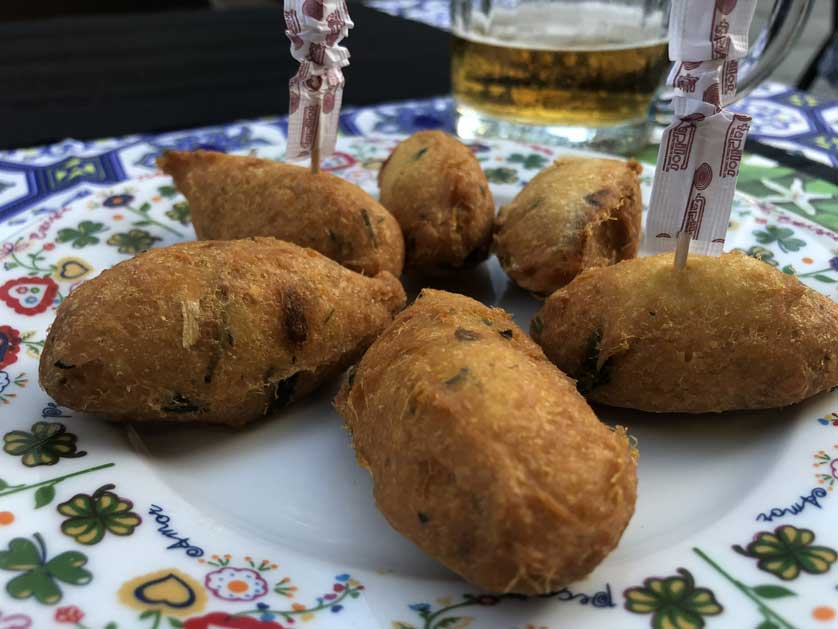
For a uniquely Portuguese experience, the visitor should head for a pasteleria (or confeitaria), where the many varieties of cakes and other confections, as well as savoury delicacies like bolinhas de bacalhau, cod balls, are served. The Antiga Confeitaria de Belém aka Pastéis de Belém, where the legendary pastéis de nata, delicious custard-filled tarts, are baked, is a Lisbon highlight. Nearby Sintra has its own traditional pastry, queijadas de Sintra (a type of cheese tart), which street vendors sell in packs of six.
Bolo Rei (King Cake) is a rich, though light, fruit cake in the shape of a wreath eaten at Christmas (Natal) in Portugal. Its name alludes to the three wise men who visited Jesus after his birth. Round in shape, with a large hole in the center, resembling a crown, Bolo Rei usually contains nuts, plus dried and candied fruit.
Portugal's Cheeses
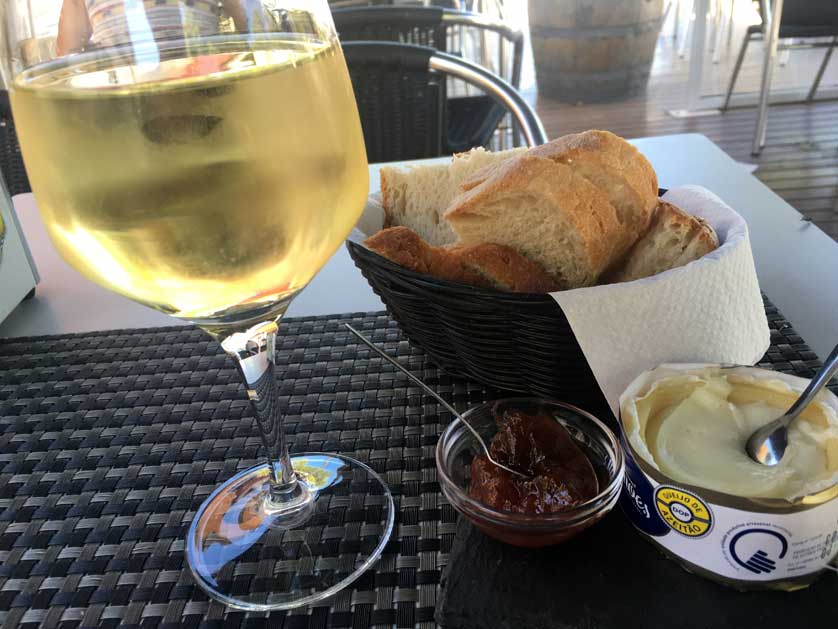
Excellent cheese (Queijo) is another delicious part of Portuguese gastronomy. The runny cheese from Azeitão is eaten with a spoon and goes well with the local Moscatel white wine from Setúbal.
Serra da Estrela is another sheep's cheese from the area around Portugal's highest mountain on the mainland and considered the country's best.
Queijo de Nisa from the Alentejo region is yet another fine sheep's cheese.
The Azores also produce several fine cheeses. These include Queijo do Pico from the island of Pico and Queijo São Jorge a dairy cheese from the rich pastures of São Jorge.
Other Portuguese cheeses of note are Rabaçal cheese made from a mix of goat and sheep milk from Rabaçal near Coimbra, Queijo de Cabra Transmontano, a delicious goat's cheese from Trás-os-Montes and Alto Douro, Queijo de Évora from Évora in the Alentejo, Queijo Terrincho also from Trás-os-Montes and the Alto Douro and finally Queijo de Castelo Branco from Castelo Branco.
Vegetarian Food in Portugal
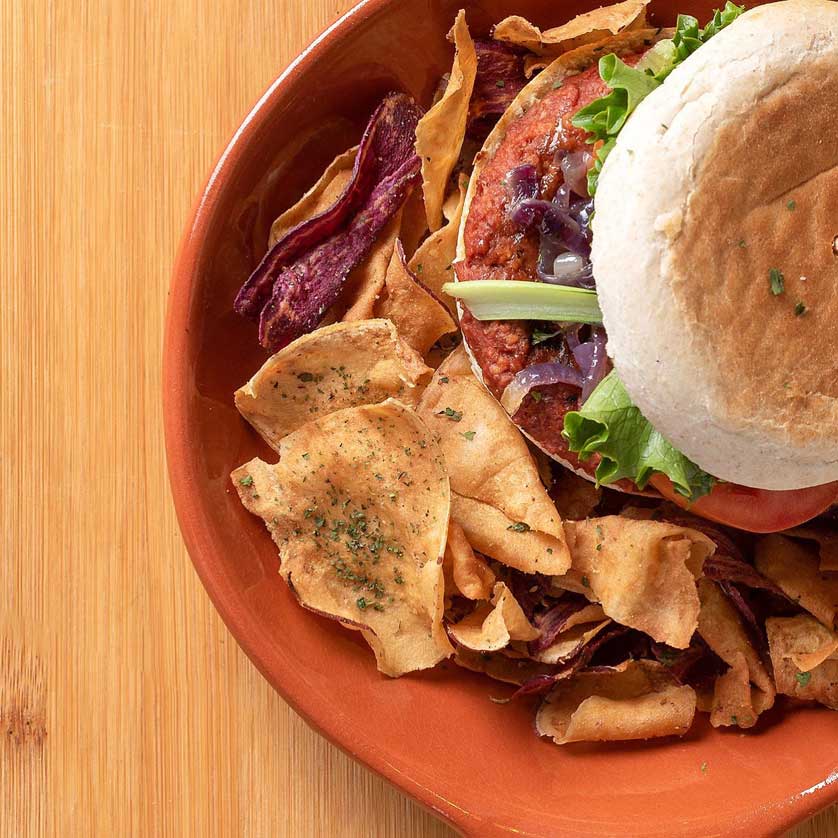
Another welcome addition to Portugal's gastronomy is vegan and vegetarian food. As awareness has risen of the health benefits of cutting back on red meat especially, both for yourself and for the planet as a whole, more and more young Portuguese are incorporating vegetarian food into their daily diets. Both Lisbon and Porto have numerous vegetarian and vegan restaurants and they can also be found in Faro on the Algarve, Braga, Guimarães, Póvoa de Varzim and Matosinhos.

Cafe Culture
Portugal's delicious pastries go great with excellent coffee. The two main cities of Lisbon and Porto boast some of the country's most famous cafes such as the Café A Brasileira in the Chiado district of Lisbon, the Pasteis de Belem in Belem and Cafe Majestic on Rua de Santa Catarina, in Porto. However, any town, large or small, will have many excellent cafes to kick back and enjoy Portugal's rich cafe culture.

Wine
Last but not least is wine. Besides the big two Portuguese wines - Port and Madeira - Portugal produces some other excellent wines. Though lacking the international reputation of the best French and Italian wines, Portuguese wines are of a generally good standard. Portugal has over 100 varieties of its own indigenous grapes, with their own distinctive tastes and aromas. Portugal stands in 5th position in the world's major wine exporters, just ahead of South Africa and behind Italy, France, Spain and Australia.
Portuguese Food Gallery
Related articles on Portuguese food and cuisine
Pastel de Nata Workshop in Lisbon
Vegetarian Restaurants in Lisbon