Doñana National Park Guide
Doñana National Park, Spain
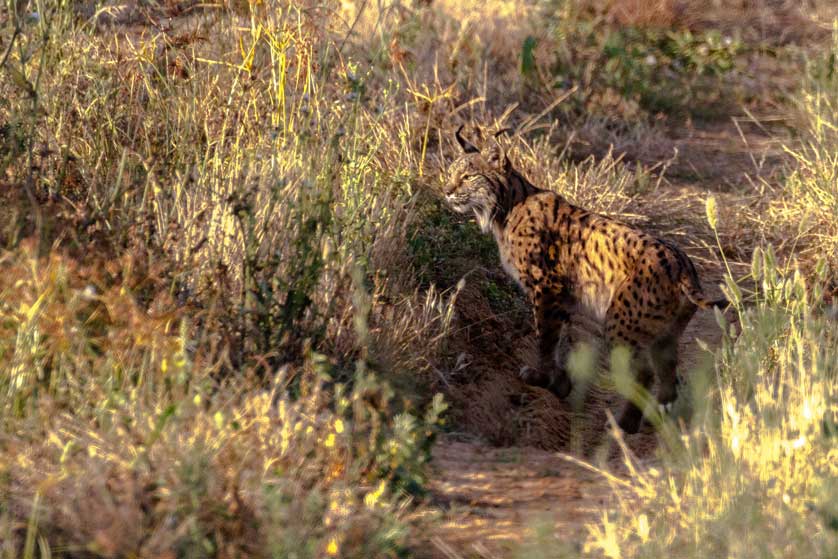
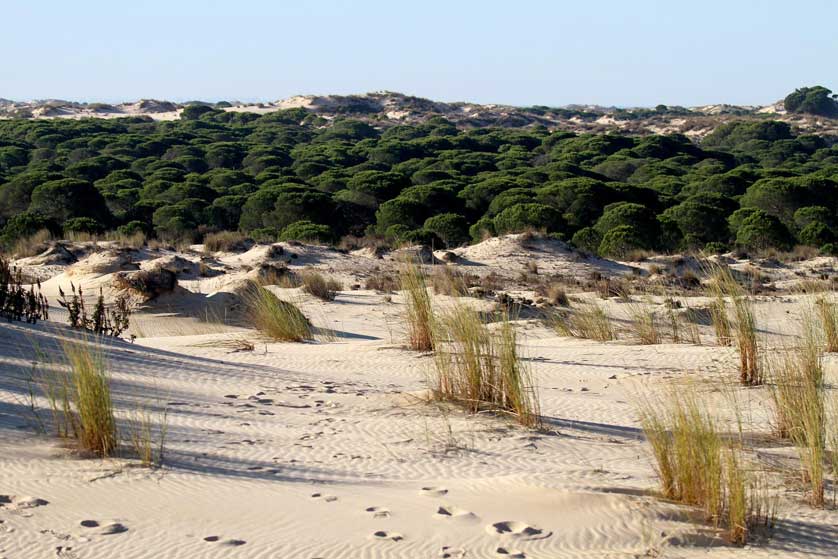
Doñana National Park is a vast area of marshland (marismas) and sand dunes east of Huelva and southwest of Sevilla in Andalusia, southern Spain.
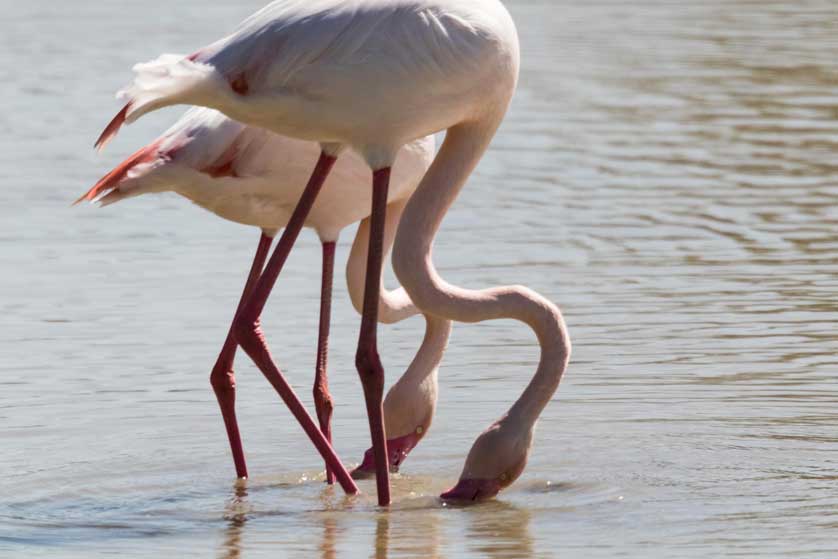
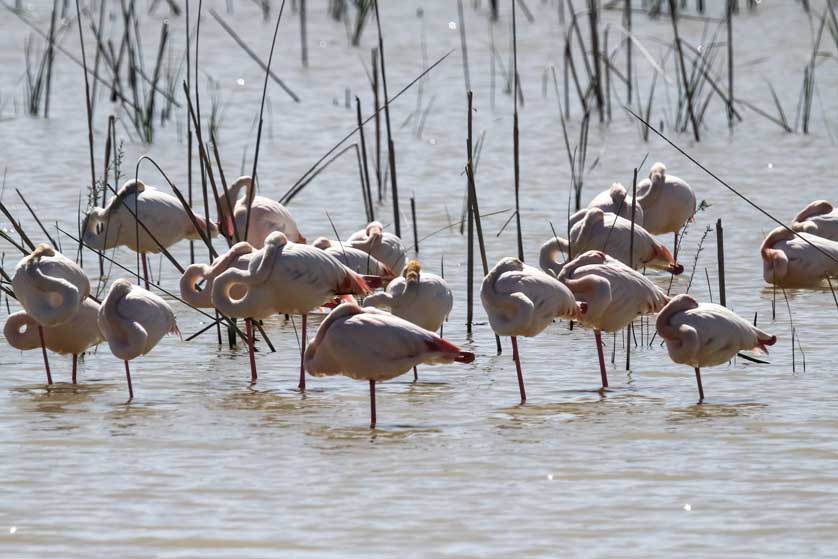
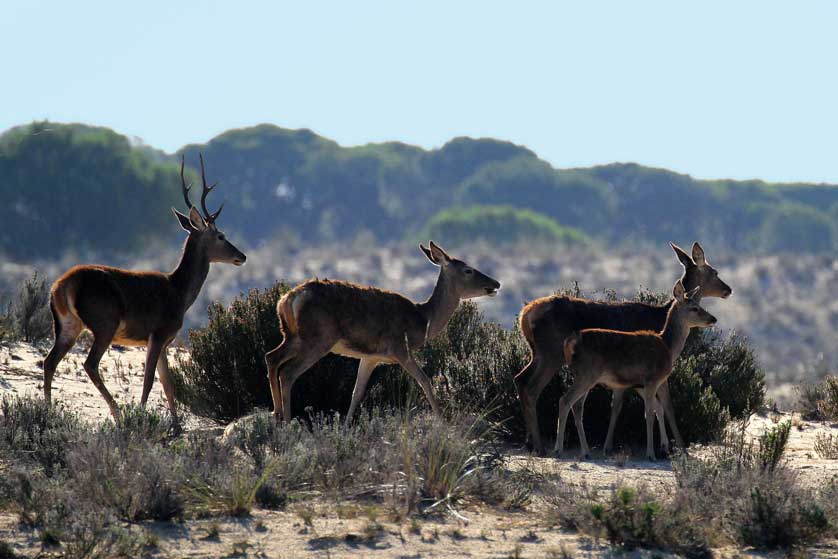
The protected wetland environment is home to colonies of flamingo in the winter months, fallow dear, eagles and a small population of the very rare Spanish lynx. Visitor numbers are controlled but environmentally-friendly tours of the park are a must if you are staying in the area.
Altogether the park covers 543 km², of which 135 km² are a designated protected area. The park is the largest nature reserve in Europe and the largest wetland.
Various visitor centers have information on the park including at La Rocina, El Acebuche (the main visitor center with information on the lynx and bird-watching hides) and Palacio del Acebrón.
Various companies organize bird-watching tours and walking tours of the park. Book well in advance especially in summer.
History
The area was established as a National Park in 1969 when the World Wildlife Fund (WWF) and the Spanish government jointly purchased land here.
In 1994 Doñana was designated as a UNESCO World Heritage Site.
The park is named after the wife of the commander of the Spanish Armada who maintained a residence here in the 16th century.
Flora & Fauna
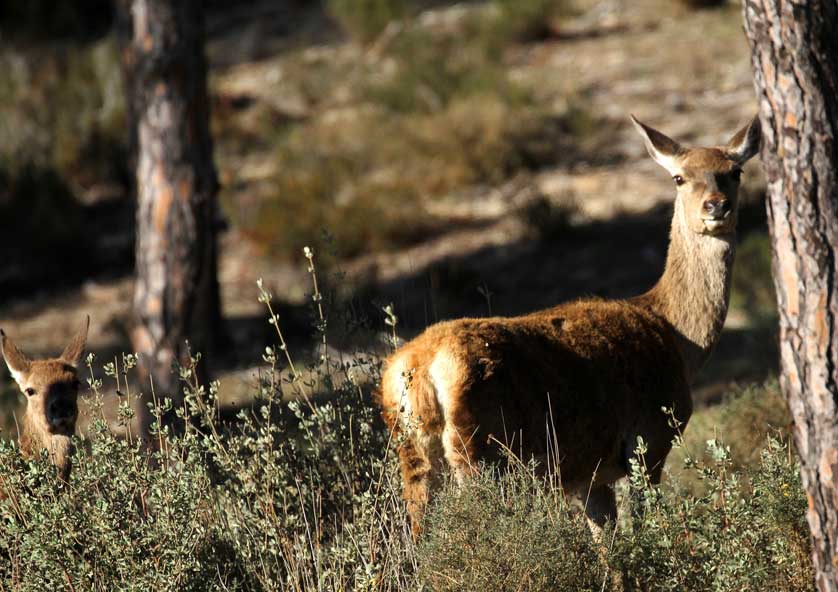
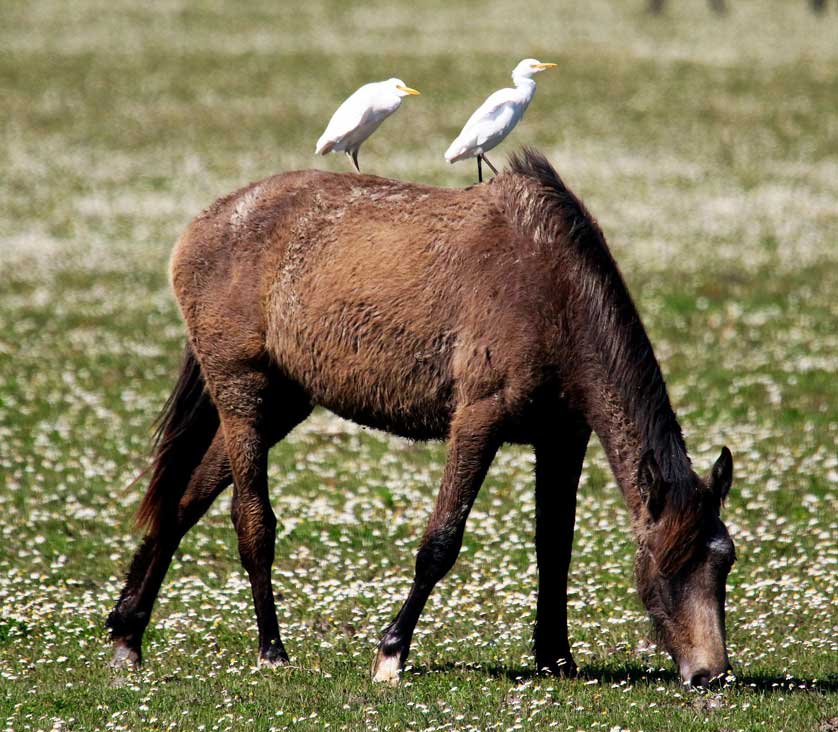
The unique ecosystems of the National Park and Natural Park (established in 1989) provide a sanctuary for a variety of wildlife, including hundreds of thousands of African and European migratory birds such as flamingoes and heron, badgers, Spanish red deer, fallow deer, Egyptian mongooses, wild boar, and very rare species including the endangered Iberian lynx and the Spanish imperial eagle.
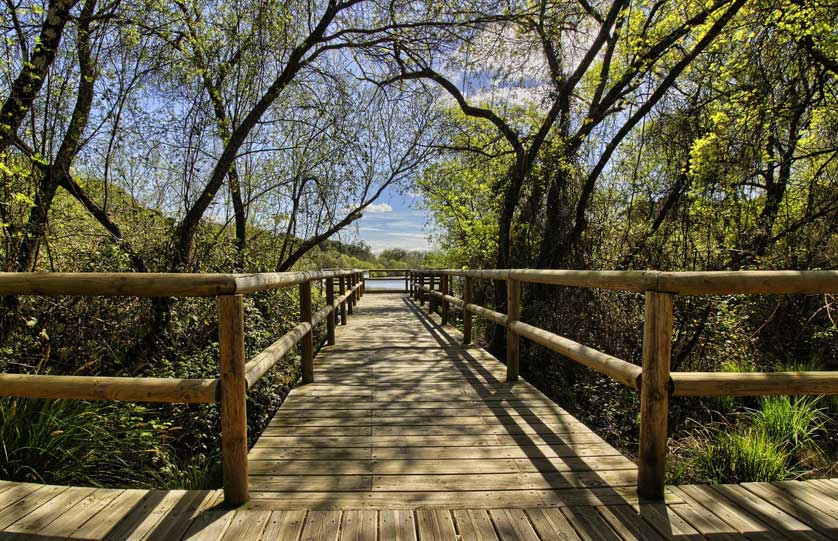
The park is rich in bio-diversity and has large areas of pine woods, saltmarsh, scrub pine, sandy beaches, deciduous forest and both transdunes and dunes.
Among the many species of plants found here are bulrush, corema album, fern, gorse, heather, lavender, oak, oleander, rosemary, reed, rose, rushes, and thyme.
The animal population includes various species of amphibians, freshwater fish, reptiles (lizards, snakes, turtles etc) and over 30 species of mammals (bats, deer, horse, mice, rabbits, rats, voles etc) as well as the vast number of birds (avocets, bittern, coots, cormorants, duck, egrets, ibis, larks, robin, tern, warblers).

Huelva Tourist Offices
Plaza del Punto, S/N, 21003
Huelva
Tel: 959 54 18 17
Hours: Monday to Friday from 10 am to 2 pm.
Calle Jesús Nazareno, 21, 21001
Tel: 959 65 02 00
Hours: Monday to Friday from 9 am to 7.30 pm; Saturday, Sunday and public holidays from 9.30 am to 3 pm.
Centro de Visitantes El Acebuche
Tel: 959 43 96 29
Organizes 20-person tours of the park in all-terrain vehicles.
Getting to & from Huelva
Bus
A bus links the resorts of the Algarve with Seville in Spain. The buses, jointly operated by Eva and Damas leave Lagos early in the morning, calling in Portimao 30 minutes later, Lagoa, Albufeira (after about one hour) and then Faro then taking about 3 hours and 20 minutes to reach Seville via Olhão, Tavira, Vila Real de Santo Antonio on the Spanish border, then to Ayamonte, Huelva and then Sevilla Bus Station in Plaza de Armas.
There are local buses from Huelva to Aracena, Isla Cristina, La Rábida, Mazagón, Moguer, Matalascañas, Minas de Riotinto and Palos. Long distance buses connect Huelva with Madrid.
Train
Huelva has rail connections to Sevilla, Cordoba and also Madrid.
Car
From the east Huelva is 90 km on the A49 highway from Sevilla (Seville). Journey time is about an hour or more. Ayamonte is just 40 minutes (60 km). Badajoz is 234 km to the north on the A-435. Sanlúcar de Barrameda at the southeastern tip of the park is 46 km from Cadiz via Jerez de la Frontera.

Huelva Hotel, Apartment, & Hostel Accommodation
There is a wide range of accommodation available in Huelva and the surrounding towns and beaches. The following is a recommended selection, listed from high-end to budget.
Hotel Exe Tartessos is located next to the Casa Colón Exhibition Centre. There is a restaurant and free Wi-Fi.
NH Luz Huelva has rooms with balconies, a restaurant and cocktail bar.
The Senator Huelva offers three star accommodation close to the railway station.
Gran Hotel del Coto is a four-star property with direct access to Matalascañas Beach.
Book Hotel Accommodation in and around Huelva
Hotels in Huelva - Booking.com
Hotels in Sevilla - Booking.com
Hotels in Vila Real de Santo Antonio Portugal - Booking.com
Hotels in Monte Gordo Portugal - Agoda
Hostels in Portugal - Booking.com
Eating
Some recommended restaurants in Huelva include Cosas Buenas at Calle de Severo Ochoa N° 30, Masero on Av. Martín Alonso Pinzón and Restaurante Azabache on Calle Vázquez López.
Vegetarians should head for La Grosera which serves a variety of vegan pastries and soy milk.
Drinking
There are many restaurants bars and cafes in Huelva. Try Mandala Mirador in Huelva or Vapu Bar in Mazagón.
List your restaurant/bar/hotel for FREE contact Advertising
Algarve Resorts
Other places to visit in the Algarve region of Portugal include Albufeira, Alcoutim, Aljezur, Alvor, Cabanas, Cacela Velha, Faro, Ferragudo, Fuseta, Lagos, Loulé, Monchique, Olhão, Portimão, Praia da Rocha, Sagres, Silves, Vilamoura and Vila Real de Santo Antonio.
Map of Huelva & Doñana National Park
