Museums in Viana do Castelo
Viana do Castelo, in the Minho region of Portugal, has several fine museums.
They reflect the traditional industries and crafts of this area of Portugal, in particular cod fishing and folk costumes and also northwest Portugal's long history, stretching back to Celtic settlements before the Romans.

See a listing of museums in Viana do Castelo in north west Portugal. They include the Navio Hospital Gil Eannes, the Costume Museum (Museu do Traje) and the Museum of Decorative Arts (Museu de Artes Decorativas).

Gil Eannes Hospital Ship
Dominating the waterfront in Viana do Castelo is the Gil Eannes Hospital Ship (Navio Hospital Gil Eannes). Built in the town in 1955, the ship served the cod fleet off the coast of Newfoundland and Greenland not just as a floating infirmary but also as a flagship, support and supply ship, mail ship, tug and even icebreaker.
The Gil Eannes provided nets, bait, food and fuel for the much smaller cod fishing boats.
After serving for a brief period as a cargo vessel, the ship was decommissioned in the 1980's and was rotting away in Lisbon until brought back home and lovingly restored in 1998.
Nowadays the vessel is managed and maintained by the Gil Eannes Foundation.
Costume Museum (Museu do Traje)

The Costume Museum (Museu do Traje) in Viana do Castelo is the city's most impressive museum.
The modern museum is housed within a 1950's building that was once a branch of the Bank of Portugal designed with architectural features of the "Estado Novo" of António Salazar. It is located in the city center in Praça da República.
The museum showcases the folk costumes and traditions of the Alto Minho region with life size mannequins modeling locally-made original costumes.
The Museu do Traje opened in 2002.
Museum of Decorative Arts
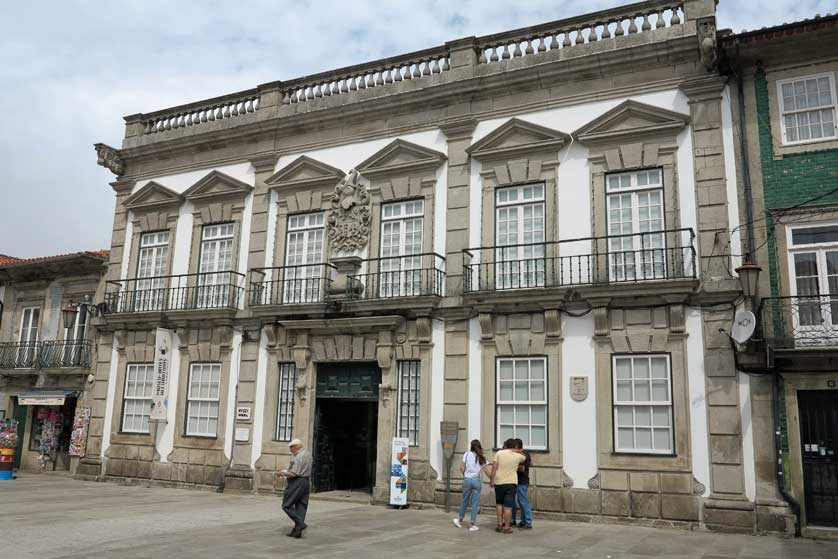
The Museum of Decorative Arts (Museu de Artes Decorativas) is located in an elegant, 18th century Baroque building.
Formerly the Museu de Arte e Arqueologia (Museum of Art & Archeology) and the Municipal Museum (Museu Municipal), the now renamed Museum of Decorative Arts is close to the Igreja de São Domingos. The mansion was once used by the archbishops of Braga before passing to the wealthy Barbosa Maciel family. In 1923 the building and its contents were acquired by the local authorities and became a museum.
Citânia de Santa Luzia
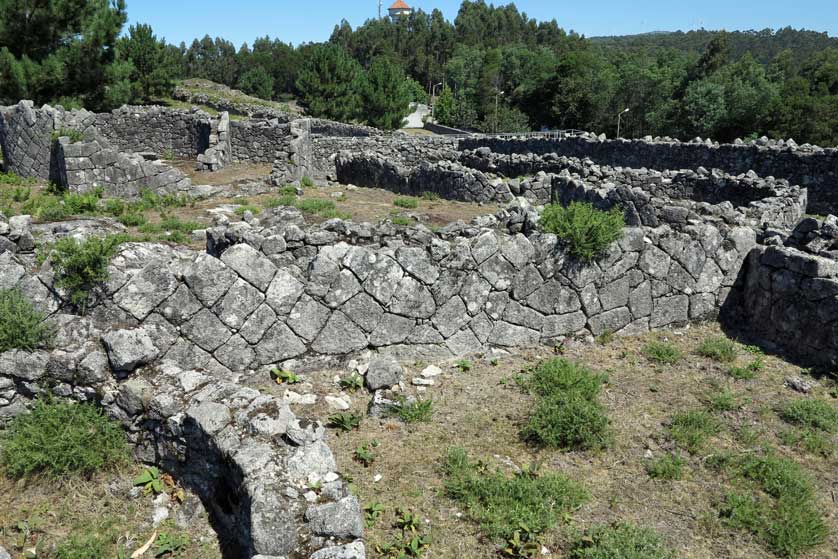
Perched on Monte de Santa Luzia behind the huge basilica of the Temple of the Sacred Heart of Jesus is an Iron Age castro or fort, Citânia de Santa Luzia. Known to locals as Cidade Velha or the "old town," the site is believed to have been occupied from around 500 BCE to the end of the Roman period. The Citânia de Santa Luzia is a notable example of the many fortified settlements found in the Minho region of northern Portugal. The most important being Citânia de Briteiros, 15 km from both Guimarães and Braga. The excavated site reveals the surviving circular walls of dwellings, as well as the roads and defensive walls of the town. Archeologists believe the entire site was protected by three walls, several turrets and two moats. The houses would have been family compounds with thatched roofs and earthen floors. The inhabitants would have engaged in agriculture, fishing and animal husbandry as well as producing pottery and woven objects for domestic use. Visitors tour the area on a raised steel walkway. The grass growing around the structures is kept short by grazing sheep.
Castle of Santiago da Barra
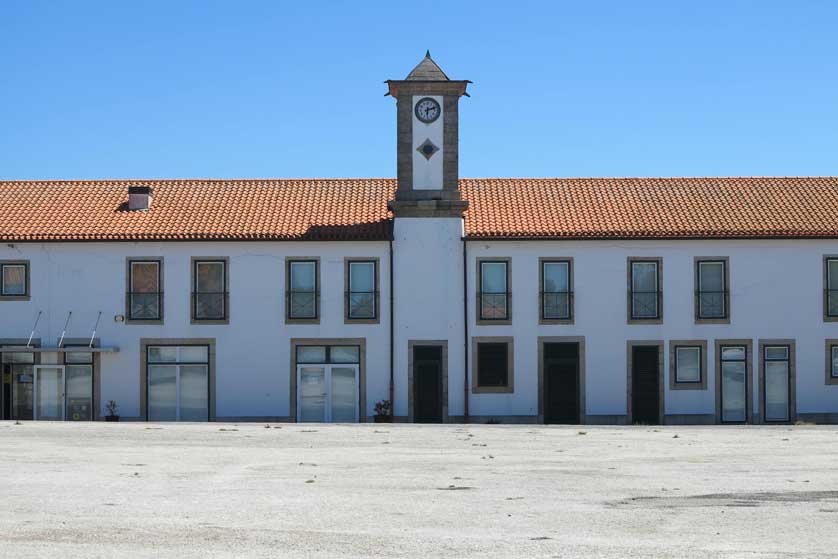
The Castle of Santiago da Barra (Castelo de São Tiago da Barra) in Viana do Castelo is located close to the mouth of the River Lima on its north bank. The original 15th century Manueline fort was expanded by Philip II of Spain (Philip I of Portugal) in 1592 to guard the approaches to the town from pirates. This would have been a time when the town was prospering during the Age of Discoveries, when riches from the Indies and Americas came to Viana do Castelo.
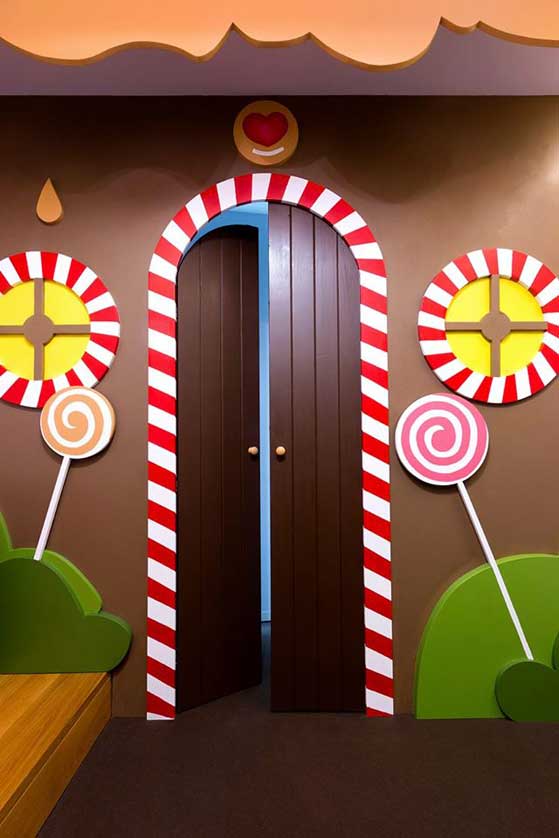
Fábrica do Chocolate
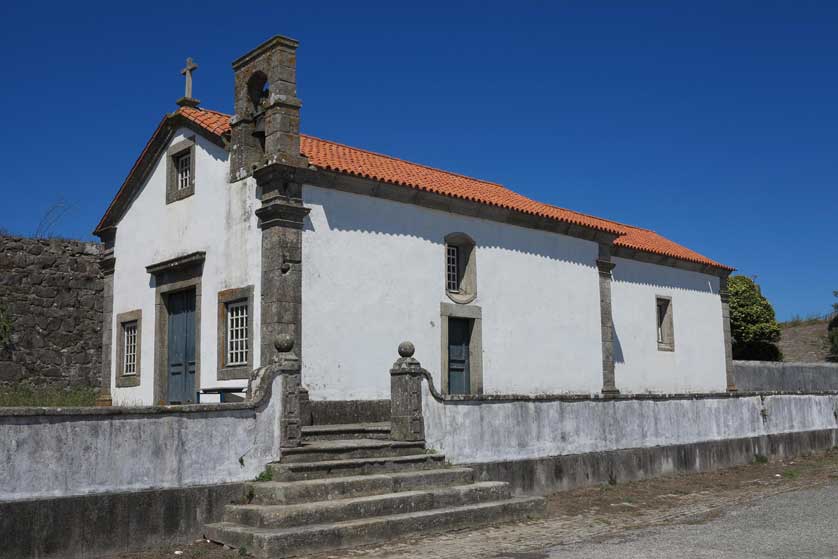
A fun, interactive museum about chocolate and cocoa attached to a hotel. Guests staying at the Hotel Fabrica de Chocolate in Viana do Castelo get free entrance into the museum. There's chocolate everywhere in the hotel even in the room fragrances. The museum is thematic and arranged in a circuit. Visitors learn about where cocoa grows, the use of cocoa in early civilizations in South America such as the Aztecs, Mayas and Olmecs and the nutritional value of chocolate.
Related Articles
Map
