Porto Guide: Porto Districts
Porto, like the capital Lisbon to the south, is a city divided in to various districts each with its own individual charms.
This city of 231,000 inhabitants spreads on both sides of the River Douro with Porto on the north bank and Vila Nova de Gaia on the south side. The wider urban area of Porto has a population in excess of nearly 1.4 million people about the same size as Boston in the USA or Kyoto in Japan.
Ribeira
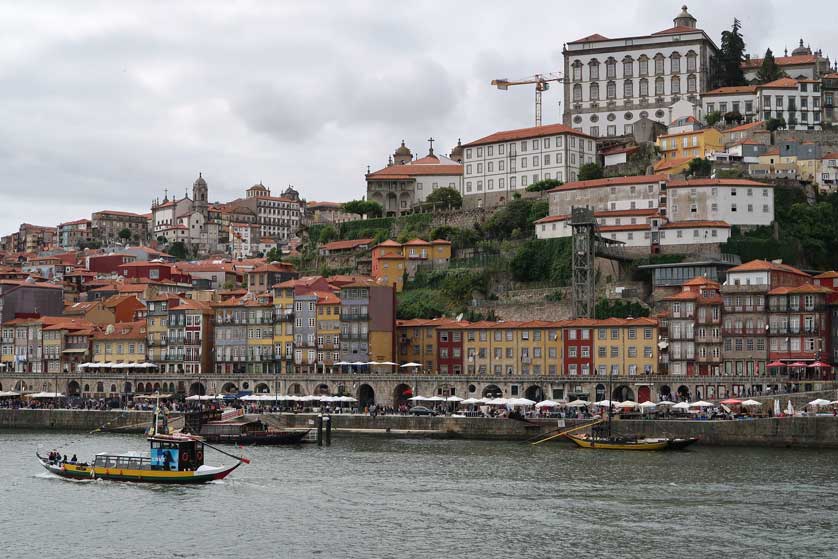
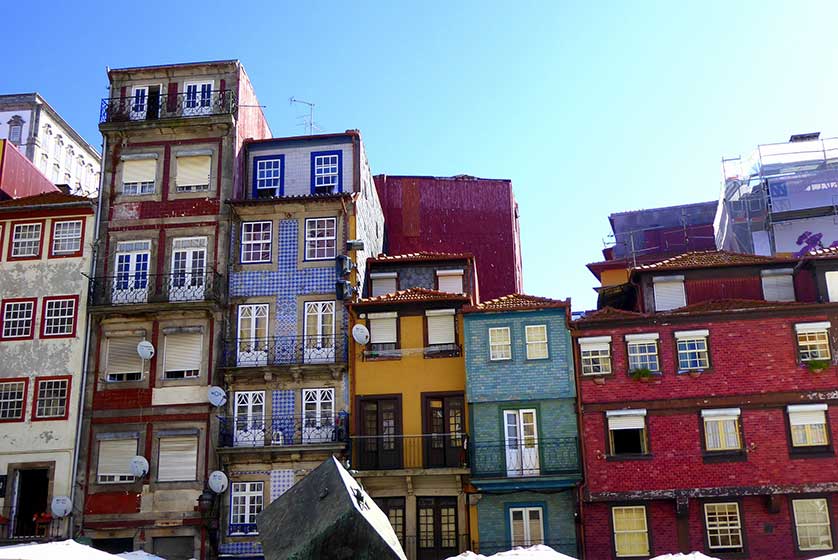
Ribeira - the historic center of Porto on the northern bank of the River Douro is Ribeira. A UNESCO World Heritage Site, the area rises steeply from Cais de Ribeira up to Praça da Ribeira.
The very name "Ribeira" or "riverside" is intimately associated with the city's river, the Douro, which has been the main source of the town's livelihood over the centuries.
Places of interest here include Porto's Cathedral and the imposing Ponte Dom Luís I. In addition, the Casa do Infante is reputedly the birthplace of Henry the Navigator and later the customs house of the city. The Igreja de São Francisco with an austere Gothic exterior and stunning baroque interior with its catacombs contains an ossuary of human bones. The ornate, neoclassical Palacio de Bolsa, once the city's stock exchange is well-worth a visit as is the riverside Praça da Ribeira.
Vila Nova de Gaia
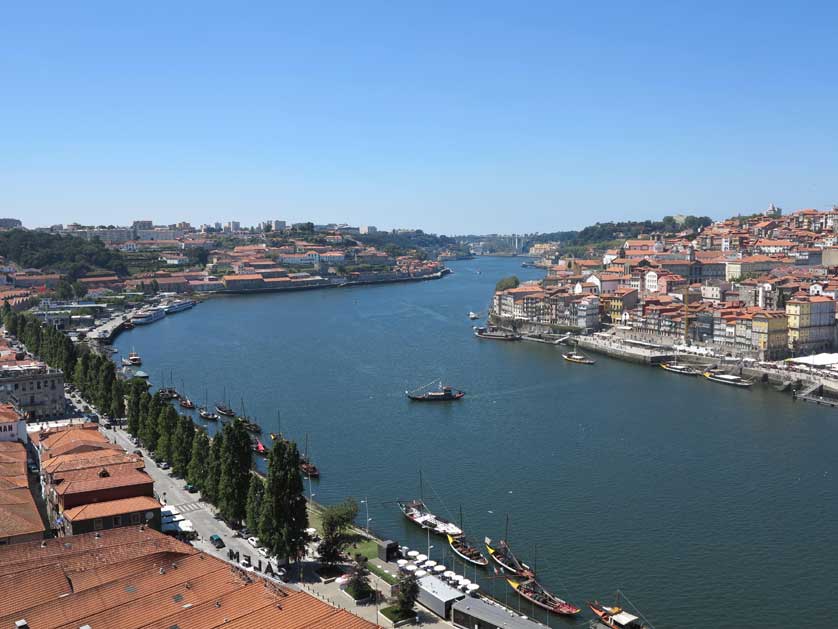
Vila Nova de Gaia (or just Gaia) is south of the River Douro across the Ponte Luis I Bridge from Ribeira in Porto and is actually a separate town.
The district of Vila Nova de Gaia is best known as the home of several port wine lodges and warehouses (caves) and is the historic centre of the port wine trade.
The port wine lodges offer tours and tastings (in English) and a chance to take home a bottle or two of vintage port. Wine lodges in the area include such names as Barros, Calem, Cockburn, Croft, Ferreira, Graham's, Kopke, Osbourne, Ramos Pinto, Sandeman, and Taylor, Fladgate and Yeatman. Some of the lodges have introductory films and museums dedicated to port.
Enjoy five-star luxury and superb city views from the outdoor pool and spa at the Yeatman - a hotel in Vila Nova de Gaia run by the wine lodge. The wine cellar has one of the finest collections of Portuguese wine in the world.
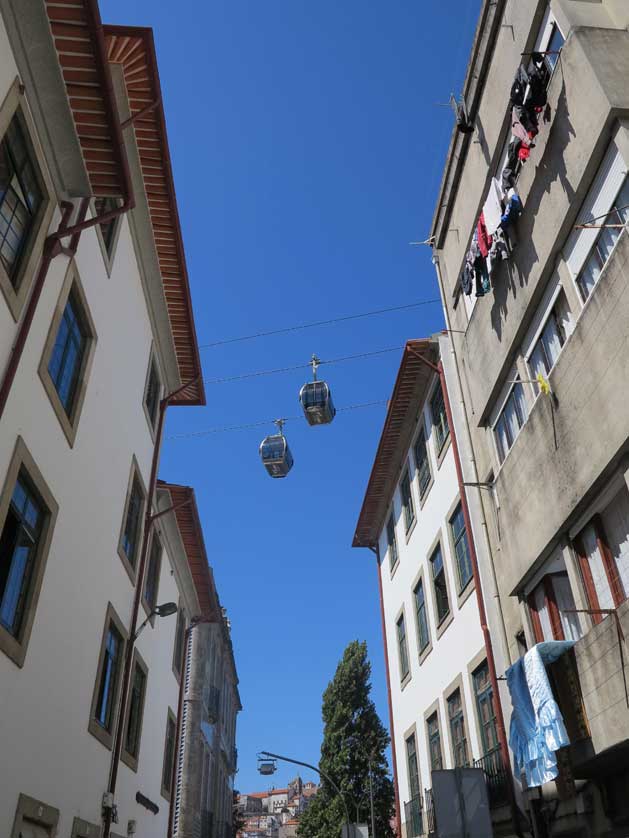
The riverfront is lined with picturesque, wooden barcos rabelos, the traditional boats used to transport barrels of wine down the Douro River from the port wine estates. There are also many cafes, restaurants and shops along the front, from where there are excellent views of the skyline in Porto. Various river boat trips on the River Duoro begin from Gaia.
Rua de Santa Catarina
The Rua de Santa Catarina in the UNESCO World Heritage center of Porto is a grand, shopping street running roughly 2 km south to north from the Igreja de Santo Ildefonso to the Jardim do Marquês de Pombal. The area lies north of Ribeira, the iconic Ponte Dom Luís I and the River Douro.
Much of Rua Santa Catalina is pedestrianized and lined with bars, cafes, churches, hotels and shops. It's a great place to people watch and catch the buskers and street entertainers.
The Igreja de Santo Ildefonso situated close to Batalha Square, dates back to the 18th century. The church was completed in 1739 and includes a framed altarpiece by the prolific Italian architect, Nicolau Nasoni. Nasoni's work can be found over over Porto including the Torre dos Clerigos, Porto Cathedral and the Igreja de Santa Marinha in Vila Nova de Gaia.
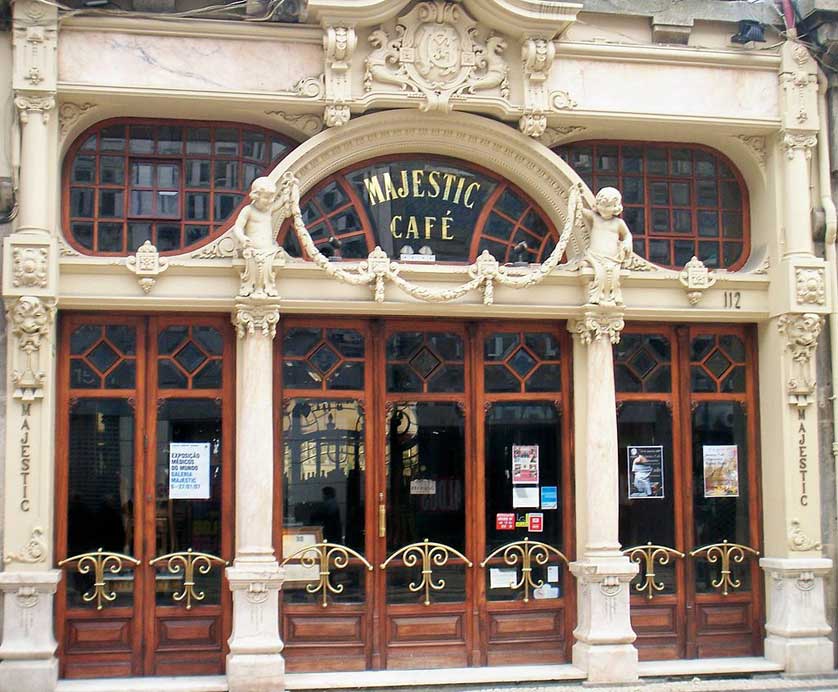
Opened in 1921, Cafe Majestic is known for its lavish Art Nouveau architecture including its lovely marble facade and ornate, wood and glass interior. The Majestic soon became a meeting place for Porto's elite including artists, politicians, and writers. In more modern times, the cafe is associated with author J.K. Rowling's stay in the city, along with the Livraria Lello bookshop. Rowling taught English, married a Portuguese man, had a child, later divorced and fled back to the UK.
Aliados
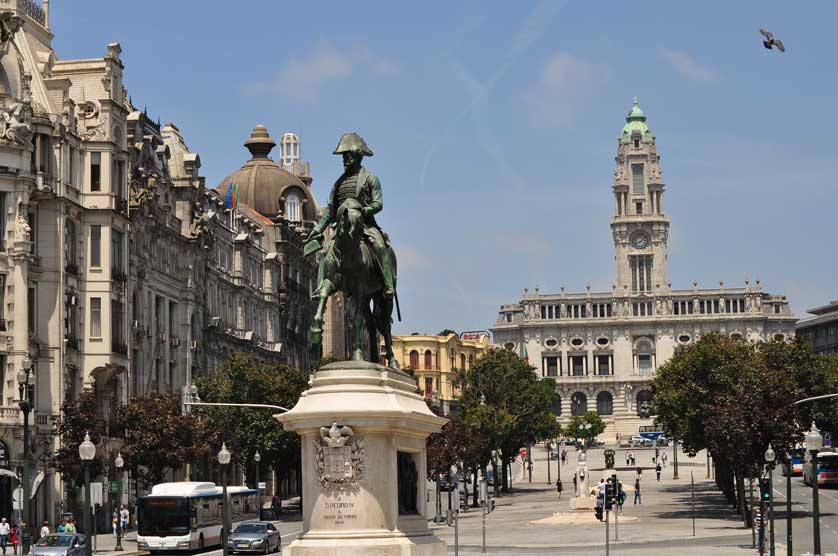
Avenida dos Aliados is a grand, north-south boulevard running from Porto City Hall (Câmara Municipal do Porto) down to Praça da Liberdade and Rua dos Clérigos. It was first planned by the influential English architect and urban planner, Richard Barry Parker (1867-1947) and completed by several French and Portuguese architects in a Beaux Arts style. The avenue is lined with grand buildings among them a number of banks, insurance companies, hotels and cafes. The central section contains several art works including the bronze, equestrian statue of King Pedro IV by French sculptor Célestin Anatole Calmels and the Fonte dos Aliados by Henrique Moreira.
Other places of interest include a branch of McDonald's in the former Imperial Café, described as the most beautiful in the world and Café Guarany which dates from 1933. Café Guarany has architecture by Rogério de Azevedo and sculpture by Henrique Moreira. The interior has a South American Indian theme, a reference to the coffee growing countries that fueled Porto's coffee boom back in the day. Café Guarany serves full meals and is also a venue for live music and other events.
Hotels in the immediate area include the Hotel Universal, the three star Hotel Aliados and the budget Rivoli Cinema Hostel housed in a restored 1930s Art Deco building.
Afurada
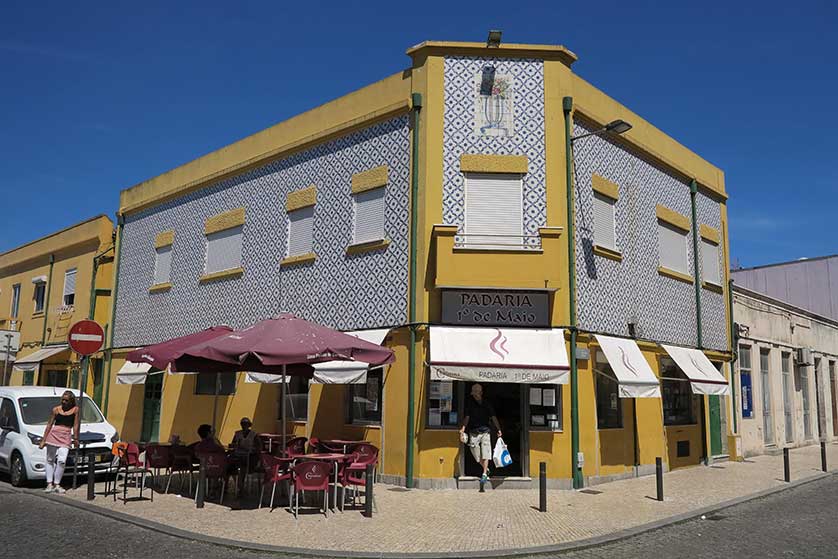
Afurada is a traditional fishing village, south of the River Douro, a little way west of the port wine lodges of Vila Nova de Gaia.
Most visitors come to sample the superb fresh fish for lunch or dinner, on offer in numerous small restaurants scattered throughout Afurada. There are, though, other reasons to make the short hop from the crowded streets of Ribeira north of the Douro.
These include the interesting Interpretive Heritage Center of Afurada (Centro Interpretativo do Património da Afurada), a free, two story museum packed with exhibits donated by the local people detailing the lifestyle of the village's inhabitants. These include traditional, wooden fishing boats, ropes, model ships, clothing, original photographs, a collection of sea shells and information on the local wildlife in the Douro estuary.

Rua das Flores
The Rua das Flores was laid out in the early 16th century on land owned by the Bishop of Porto. By the 19th century, the street had some of the city's most expensive shops including goldsmiths. Some of the elegant buildings on the street once belonged to the aristocracy and wealthy merchants and date from the 17th-19th centuries.
Nowadays the street is lined with chic cafes, restaurants, souvenir shops and hip boutiques running down to the Igreja da Misericórdia, the Museu da Misericórdia do Porto, and the Largo São Domingos from just across the road from São Bento Station. Rua das Flores is pedestrianized and is usually thronged with tourists in the summer season. This is turn attracts musicians and street artists to entertain the crowds.
Note the fine wrought-iron balconies and tile work on some of the buildings. If you wish to stay on or near to this trendy thoroughfare try the recommended Casa dos Lóios Boutique Guesthouse or Myo Design House. Both are within renovated, historic houses with modern facilities. Flores Boutique Hotel & Spa is a four-star hotel on the street complete with a wellness center, roof terrace and indoor pool.

Foz do Douro
Foz do Douro is where the River Douro reaches the Atlantic Ocean to the west of Porto. Formerly a port for fishermen, Foz do Douro is now an affluent, gentile suburb with some pleasant beaches of geological interest, though the water remains cold for swimming. The resort is at the very southern end of the Costa Verde which stretches from here over 100 km north to Viana do Castelo, the River Minho and the border with Spain. At the southern end of Foz do Douro is the chapel lighthouse of Farol de São Miguel.
The seafront along Avenida do Brasil and Avenida do Montevideo is packed with bars, restaurants and cafes between the Castelo de São João and the Castelo do Queijo (Cheese Castle) and is a pleasant place to walk or cycle.
The Castelo do Queijo aka Forte de Sao Francisco Xavier, which dates from 1661, now holds a small military museum dedicated to Portugal's commandos, who saw action in her former colonies in Angola and Mozambique.
Close by is the Pavilhão da Água, built for the 1998 Expo and since 2002 an imaginative, water museum located just within the pleasant Parque de Cidade. Also here is Sea Life Porto, an aquarium with sharks, rays, jellyfish, starfish and thousands of other marine and fresh water creatures. It is the largest aquarium in northern Portugal.
Póvoa de Varzim
Póvoa de Varzim, reached in an hour on the Porto metro Line B from the center of town is a thriving resort on Portugal's Atlantic Coast.
Along with Vila do Conde, the municipal area of Póvoa de Varzim has a population of around 100,000 people making it the third largest town in northern Portugal after Porto and Braga.
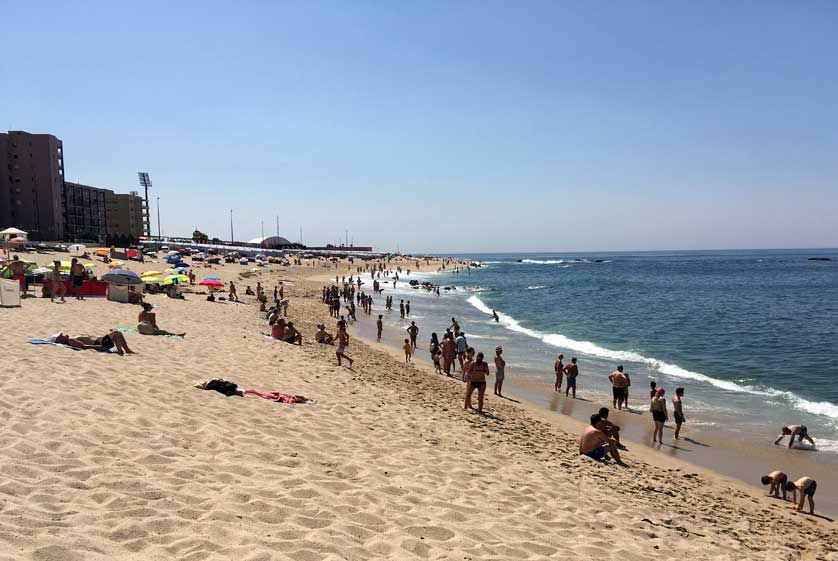
Historically a fishing port and ship-building centre during the Age of Discoveries, Póvoa de Varzim is now a popular ocean resort with a casino, 12 km of good beaches for swimming and surfing and many hotels. People have been coming to Póvoa de Varzim to bathe in the iodine-rich waters (from the local seaweed) since the late 19th century.
Places of historic interest in Póvoa de Varzim include the Castelo da Póvoa, built between 1701 and 1740 to protect the town from pirates, the Praça Velha (Old Square) with the nearby Igreja Matriz and the House of António Cardia, a 16th century Portuguese seafarer active in Brazil.
Also of note are the early 16th century, Manueline Pelourinho or pillory in Praça do Almada and the 18th century, Neoclassical Town Hall (Câmera Municipal). Modern-day Póvoa de Varzim is dominated by its sea-front lined with hotels, fine beaches, a marina and a casino.
Rates, a village in the interior of Póvoa de Varzim, has a number of historical treasures including the ancient, Romanesque Monastery of Rates (Igreja São Pedro de Rates), a clock tower and pillory.
Vila do Conde
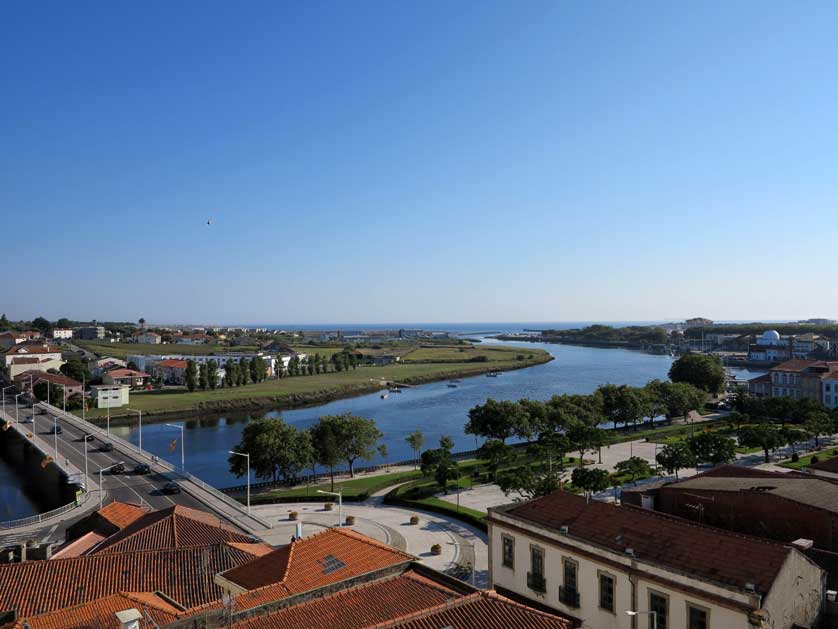
Vila do Conde, just a couple of kilometers south of the resort of Póvoa de Varzim, is reached in just under an hour on the Porto metro Line B to either Santa Clara or Vila do Conde.
The town of Vila do Conde is 27 km north of Porto and located at the mouth of the River Ave. Although quite a major resort, the historic centre of town, about a kilometer north of the Ave, has been preserved and the town has a less-developed feel than Póvoa de Varzim.
The traditional old town retains its small fishing port and there are a number of historic buildings to enjoy. The Convento de Santa Clara, is not open to the public but is a major landmark. The convent was known for its doces conventuais - delicious sweets that can now be bought in cafes around town.
An aqueduct, which once brought water from Terroso, 5 km to the north abuts onto the convent. The structure was built between 1705 and 1714 and originally had 999 arches.
Matosinhos
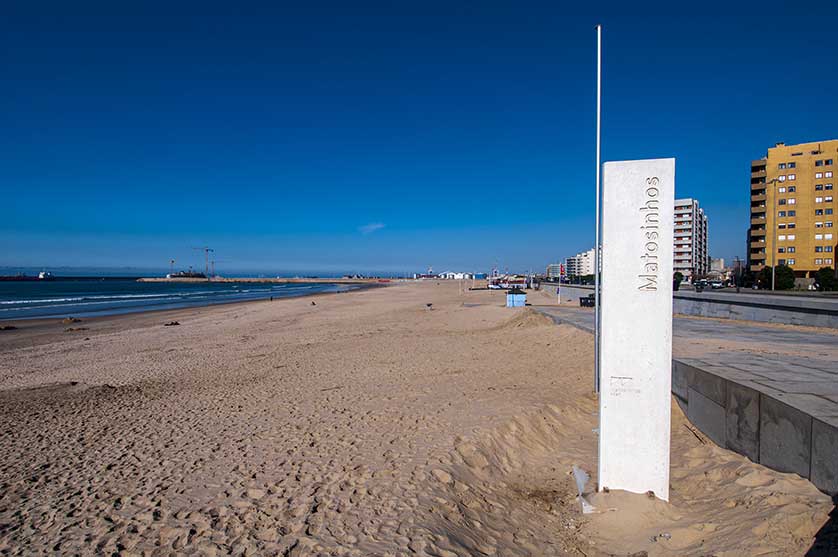
Matosinhos is a resort and port on the Atlantic Ocean to the north of Porto and Foz do Duoro.
Less affluent and more urban than the gentile suburb of Foz do Duoro, Matosinhos is more of a working port with a reputation for the freshness of its seafood. Easily reached from downtown Porto on the metro, Matosinhos draws Portoites in their thousands at the weekends during the heat of July and August.
The area was inhabited in Roman times and was an important place of salt production. At the northern end of Matosinhos is the impressive lighthouse of Farol de Leça.

Boavista
Mostly residential, upmarket Boavista is home to the contemporary Casa da Música, and the Fundação Serralves, Portugal's most visited museum and a must-see for art fans on any trip to Porto. Located about 4 km west of the old city centre, the museum and its beautiful gardens need a half-day to fully appreciate their beauty.
Casa da Música Station is on lines A, B, C, E and F of the Porto metro system. The station is named after the nearby modernist concert hall, Casa da Música by the Dutch architect Rem Koolhaas.
The Casa da Música Station was designed by Portuguese architect Eduardo Souto de Moura, whose work in Portugal includes the striking Estádio Municipal de Braga in nearby Braga, Trindade Station also in Porto and the Paula Rego Museum in Cascais.
The Estádio do Bessa is the home of Porto's other top football club - FC Boavista - champions for the first time in their history in 2001. The US$46m redevelopment project includes a hotel, underground parking and a conference centre. The stadium was reconstructed one stand at a time, giving the stadium a compact, British feel. Estádio do Bessa was designed by the Portuguese firm Grupo3 arquitectura.
Porto Map
Porto Hotels
Hotel Accommodation in Porto
Hotels in Porto - Booking.com
Mercure Porto Centro Santa Catarina
Book the Grande Hotel do Porto
Hotels in Portugal - Booking.com
Order your Porto Card online with Get Your Guide