Portugal's Attractions: Matosinhos, Porto
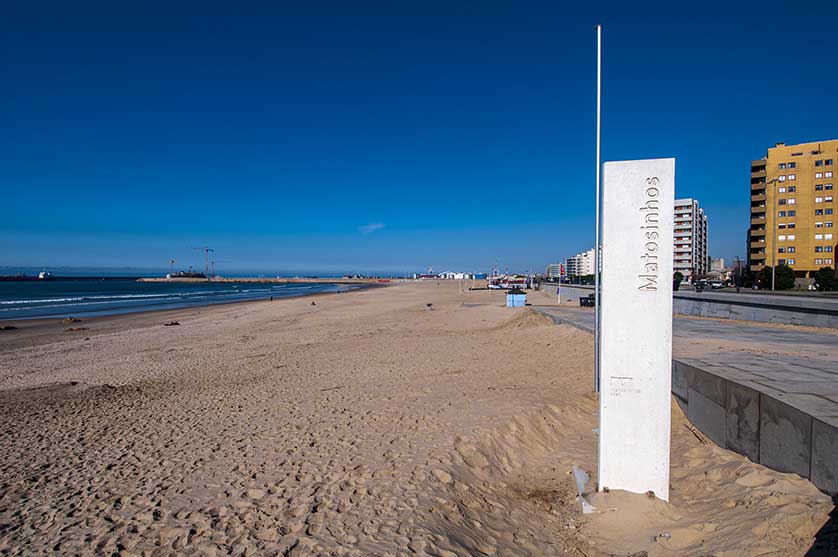
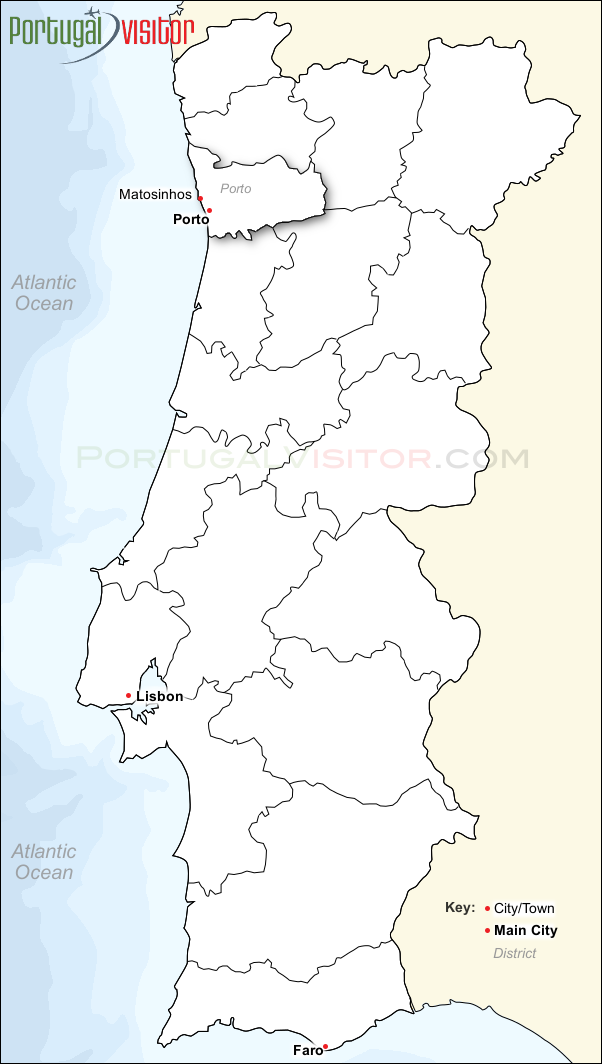
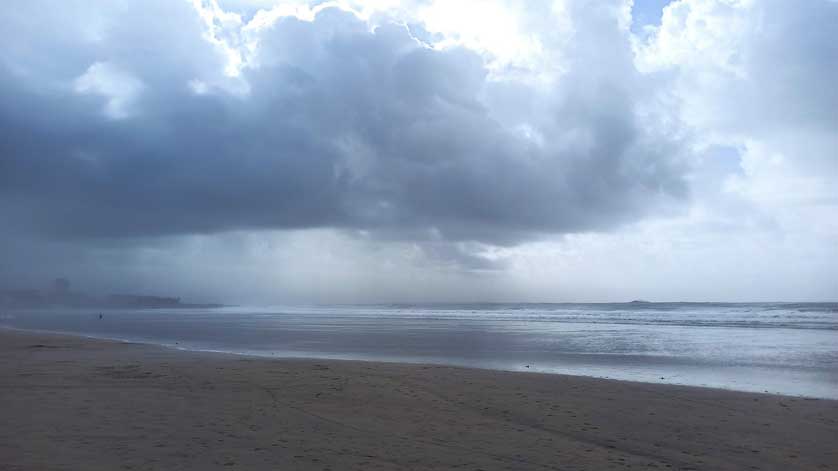
Matosinhos is a resort and port on the Atlantic Ocean to the north of Porto and Foz do Duoro.
Less affluent and more urban than the gentile suburb of Foz do Duoro, Matosinhos is more of a working port with a reputation for the freshness of its seafood.
Easily reached from downtown Porto on the metro, Matosinhos draws Portoites in their thousands at the weekends during the heat of July and August.
The area was inhabited in Roman times and was an important place of salt production.
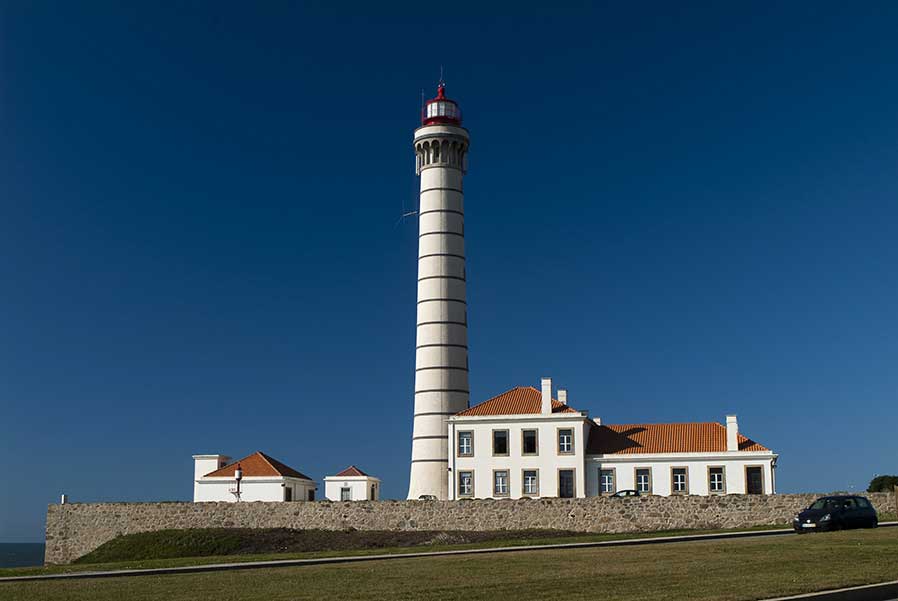
At the northern end of Matosinhos is the impressive lighthouse of Farol de Leça.
Attractions
The main attractions in Matosinhos are its long stretch of beach and its many fine seafood restaurants.
However, there are other sights that make this town of around 45,000 people a pleasant day trip from Porto.
The 16th century Church of Matosinhos (Church of Bom Jesus de Matosinhos) has additional features by Nicolau Nasoni (1691-1773). Nasoni was active in Porto and other parts of northern Portugal during the 18th century. He was also responsible for the design of the Igreja dos Clérigos, the Archbishop's Palace, the Misericordia Church and the loggia (external gallery) of Porto Cathedral.
The port is situated where the River Leça flows into the sea. North of here is Leça da Palmeira which has now merged with Matosinhos. Here is the international Leixões seaport, the second largest port in the country.
The Ponte móvel de Leça connects Matosinhos and Leça da Palmeira over the river. The fourth-largest mobile bridge in the world its high span means it only needs to be raised for the tallest ships.
Locally-born and acclaimed Portuguese architect Álvaro Siza (Siza Vieira) has two projects here. The Piscinas de Maré de Leça da Palmeira are two natural pools framed by concrete walls and filled with fresh sea water to make swimming here safer (especially for children). The Boa Nova Tea House (Casa de Chá da Boa Nova) is a beautiful, two-star Michelin restaurant with superb views out to sea.
Álvaro Siza also designed the nearby Museu de Arte Contemporânea at the Fundação Serralves in Porto.
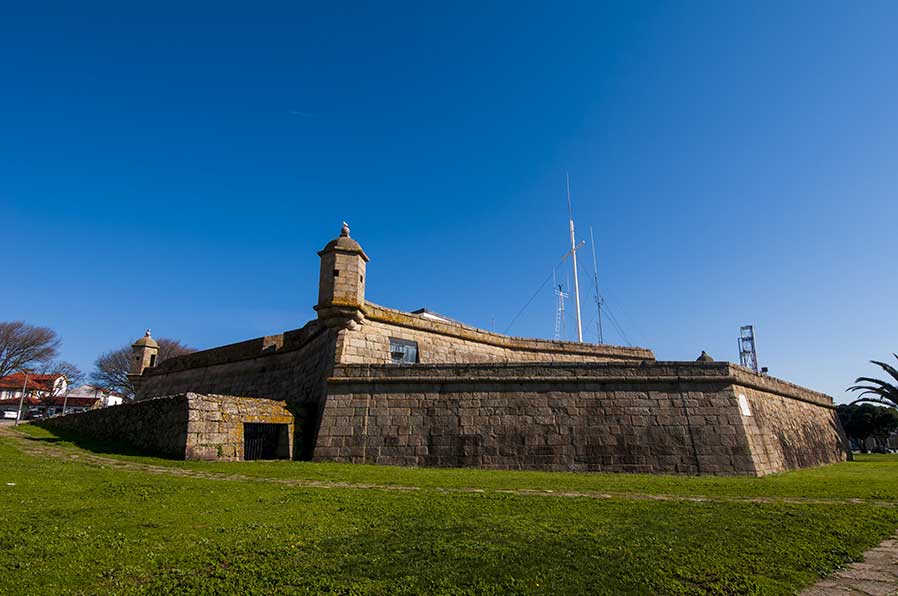
The star-shaped Forte de Nossa Senhora das Neves de Leça dates from the 17th century and was built to protect the coast and the mouth of the River Duoro from both the Spanish and pirate attacks. The Castelo de São João and the Castelo do Queijo (Cheese Castle) in Foz do Douro are other forts in this line of coastal defence built around the same time.

Parque de Cidade do Porto
South of Matosinhos is the Parque de Cidade do Porto. The park is one of the largest urban parks in the country covering 83 hectares. It is ideal for walking, cycling or a picnic. There are facilities for soccer and rugby, and the area is also great for birdwatching. The park opened in 1993 and was designed by the landscape architect Sidónio Pardal, who has designed several parks across Portugal. Within the park is the Pavilhão da Água, built for the 1998 Expo in Parque das Nações in Lisbon and since 2002 an imaginative, water museum. The park is open from 7 am to 10 pm in winter (October - March) and from 7 am until midnight in summer (April - September).
Also here is Sea Life Porto, an aquarium with sharks, rays, jellyfish, starfish and thousands of other marine and fresh water creatures. It is the largest aquarium in northern Portugal.


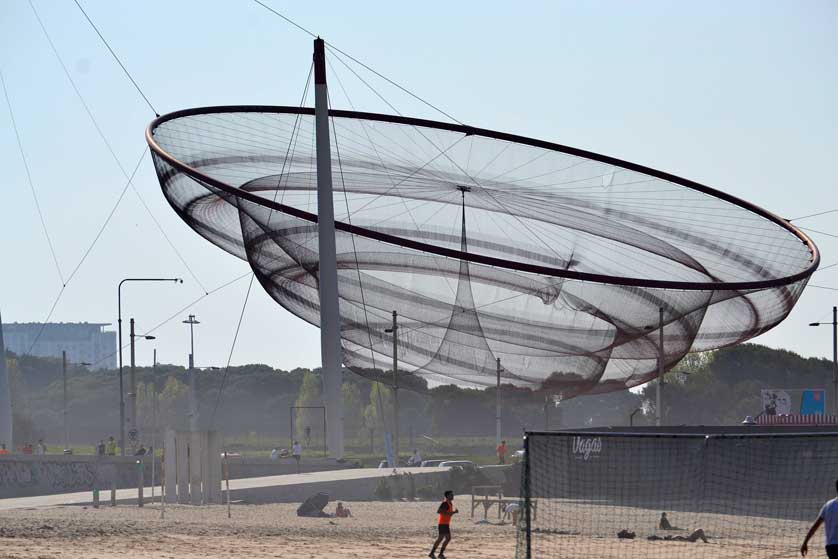
A prominent landmark on the waterfront in Cidade Salvador Plaza is the huge She Changes sculpture by American artist Janet Echelman. Erected in 2005 and known locally as anémona (the anemone), the steel net represents the fishing traditions of the area and the poles the smokestacks of its more modern factories. The installation sways in the breeze and casts a variety of shadows. The whole structure was repaired and reassembled in 2021.
The Museu da Quinta de Santiago is an art and local history museum housed in a late 19th-century mansion designed by the Italian architect Nicola Bigaglia. The grounds also hold a collection of sculpture. Various guides dressed as historical figures connected with the house show you around. Fun!
Access
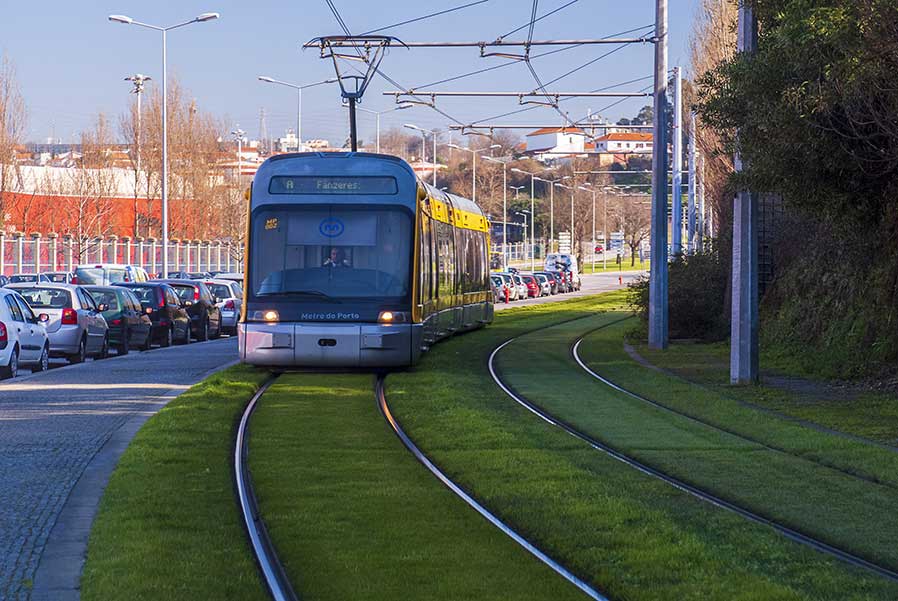
The Blue Line (Line A of the Porto Metro) runs 16.5 km from Estádio do Dragão to Senhor de Matosinhos. It was the first line to open on the network.
From Sao Bento Station the #500 bus runs to Matosinhos via Foz do Duoro.
Bus #501 runs to Matosinhos via Trindade and Casa da Música from Aliados.
From Hosp. S. João metro station the #505 and #506 run west to Matosinhos Mercado.
The #507 runs from Cordoaria to the Mar Shopping Center with its large IKEA store via Casa da Musica Station. The #508 from Boavista also stops at the Mar Shopping Center on route to Cabo Mundo.
The #205 from Campanhã Station goes to Foz do Duoro about 5 km to the south.
Hotels in Matosinhos
Places to stay in Matosinhos include the recommended Eurostars Matosinhos, Hotel Porto Mar, Porto Sea Apartments and the three-star Urban Hotel Amadeos.
Further south in Foz do Douro are the three star Hotel Boa - Vista, the two star Hotel Portofoz and bed and breakfast in a restored 18th century house at Casa da Belavista.
Eat & Drink
Matosinhos is one of the best places to eat and drink in northern Portugal. Besides the Casa de Chá da Boa Nova, the streets between Matosinhos Sul and Mercado metro stations are crammed with restaurants. Seafood is a specialty as is sushi but there are alternatives. For vegetarian try Terrárea on Rua de Brito Capelo.
Map
Hotel Accommodation in Porto
Hotels in Porto - Booking.com
Mercure Porto Centro Santa Catarina
Book the Grande Hotel do Porto
Hotels in Portugal - Booking.com
Order your Porto Card online with Get Your Guide