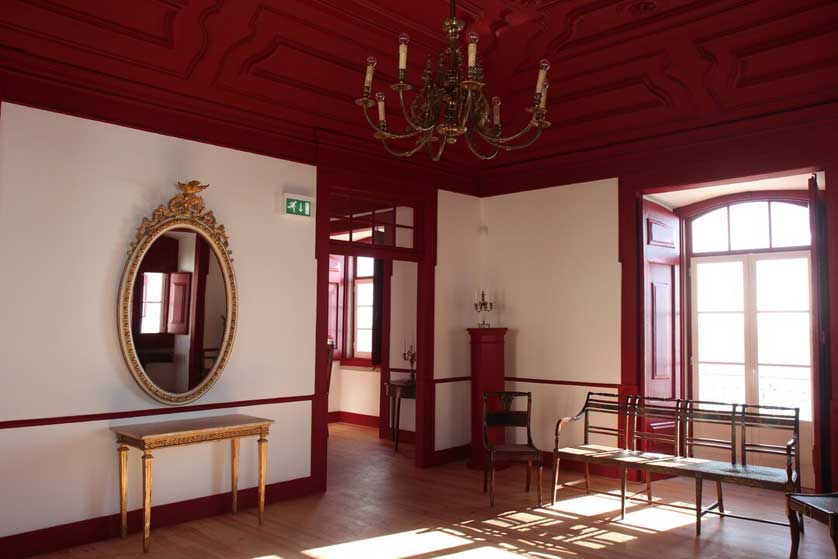
Fortaleza de Santiago, Sesimbra
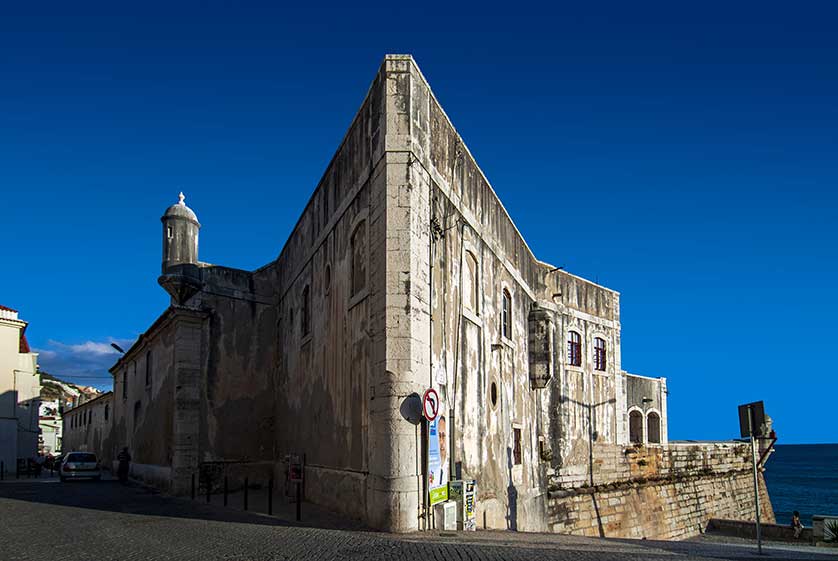
The Fortaleza de Santiago in Sesimbra was built for coastal defence by Manuel I in the 16th century. It was then used as a holiday home by Portuguese monarchs from the 18th century.
Nowadays it houses the Museu Marítimo de Sesimbra with exhibits on the history of the sea, fishing and the fishing community in the area. These include explanatory wall panels, short movies, actual boats, fishing gear and photographs.
History
The fort we see today was constructed between 1642 and 1648 over an existing Manueline fort from the preceding century.
The present-day fort is largely the work of João de Cosmander, a Dutch Jesuit military engineer who found employment in Portugal. Cosmander also improved the fortifications at Belver Castle, the Castelo de Campo Maior in Campo Maior and those at nearby Elvas Castle (Castelo de Elvas).
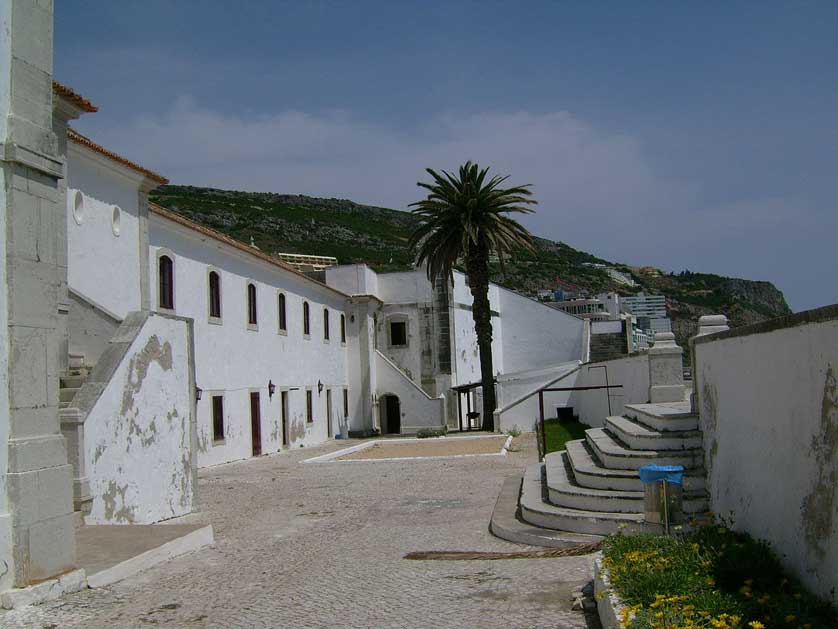
The fortress has a star-shaped layout reflecting the military architecture of its day. Within the walls were the Governor's residence, barracks for the garrison's troops, cisterns for water supply, a warehouse and a chapel dedicated to Saint James (Santiago).
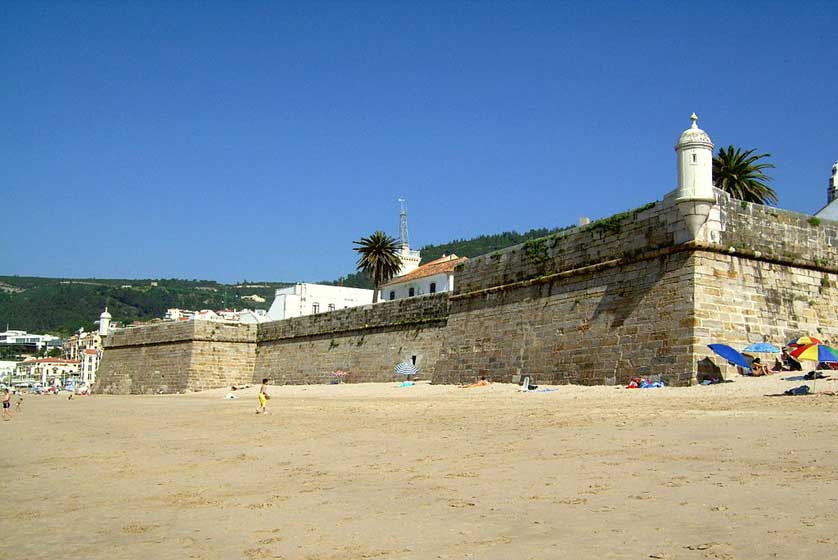

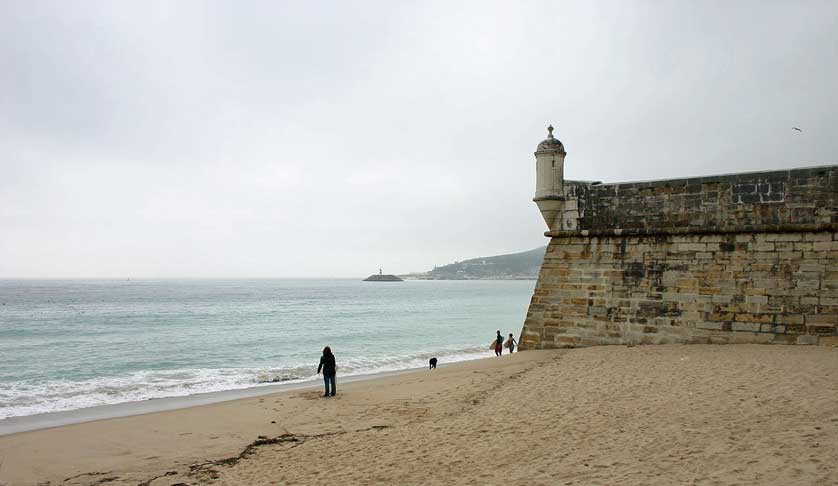
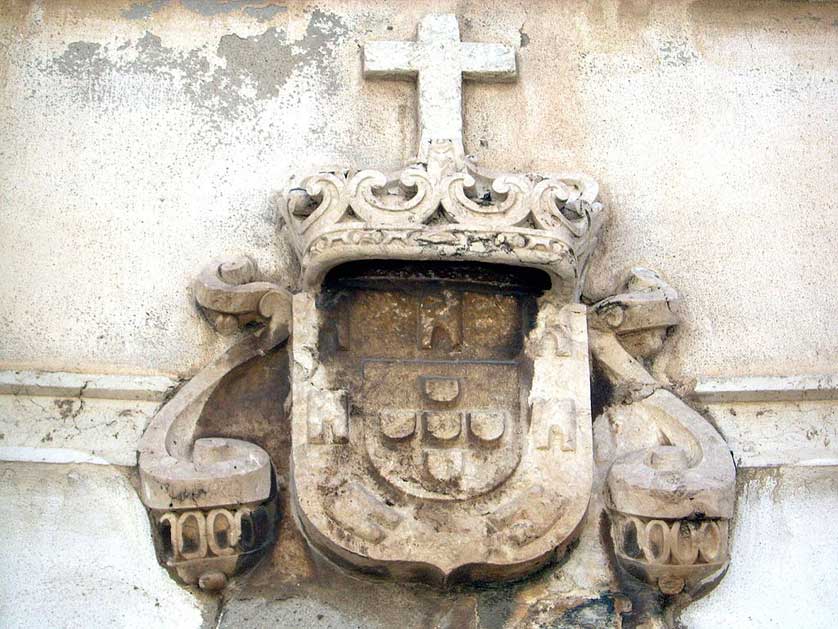
Over the main gate is the coat of arms of Portugal and an inscription dating 1648. Damaged in the 1755 Earthquake, the structure was largely abandoned by the next century. It was used merely as a summer camp for employees of the Portuguese Guarda Fiscal (Fiscal Guard) before its reopening in 2014 and then its conversion into the Museu Marítimo de Sesimbra which opened in 2016.
Access
Fortaleza de Santiago
Rua da Fortaleza
2970-738 Sesimbra
Hours: The fort is free to enter and is open daily. October to March from 9.30 am to 8 pm; April to mid-June 9 am to 10 pm; Mid-June to September 9 am to 2 am.
A nearby hotel is the Four Points by Sheraton Sesimbra. See here for a full listing of accommodation in Sesimbra.
Nearby
Sesimbra is located in the district of Setúbal about 30 km west of the town of Setúbal itself. It is on the western edge of the beautiful Parque Natural da Arrábida and also an easy drive from the Troia Peninsula.
The southern edge of the Costa da Caparica is to the north and the wild and remote Cabo Espichel and the pilgrimage church of Nossa Senhora da Pedra Mua is to the west.
Also nearby is the pleasant wine-producing town of Azeitão - known for its white wines and runny cheese, best enjoyed together.
Sesimbra itself was an important port during the Portuguese Age of Discovery and King Manuel I is thought to have lived here for a time.
Sesimbra Castle (Castelo de Sesimbra) was built over a previous Moorish fort dating back to the 9th century. Unfortunately the castle was severely damaged in the 1755 earthquake and largely abandoned. The grounds include two exhibition spaces, the church and disused cemetery and a cafe.
Sesimbra Map