UNESCO Biosphere Reserves in Portugal
Portugal's UNESCO Biosphere Reserves
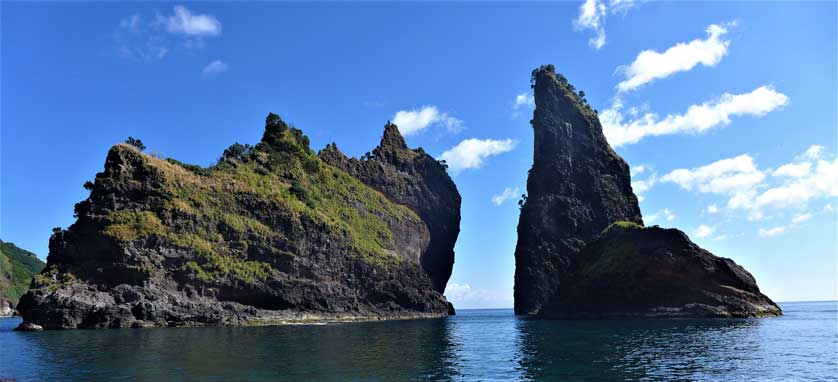
Portugal has 11 UNESCO designated Biosphere Reserves.
Biosphere Reserves are managed ecosystems where man lives in some harmony with the surrounding natural environment. They are designed "to promote sustainable development."
The full list is below and the year they were added (in brackets). Some of the biospheres are shared by both Portugal and Spain as they overlap the two territories.
The islands of the Azores and Madeira are well-represented on the list.
Paúl do Boquilobo (1981), Corvo Island (2007), Graciosa Island (2007), Flores Island (2009), Geres/Xures Transboundary Biosphere Reserve (Portugal/Spain) (2009), Berlengas (2011), Santana Madeira (2011), Meseta Ibérica Transboundary Biosphere Reserve Portugal/Spain) (2015), Fajãs de São Jorge (2016), Tejo/Tajo Internacional Transboundary Biosphere Reserve (Portugal/Spain) (2016), Castro Verde (2017)
Paúl do Boquilobo Biosphere
Paúl do Boquilobo Biosphere Reserve is a freshwater wetland and marsh enclosed by a loop of the Almonda River. The nearby River Tagus floods the area in winter providing rich agricultural lands for the rest of the year. The marshy area of lakes and ponds provides a habitat for the largest number of white herons on the Iberian Peninsula along with other species of birds. The herons are in residence from February/March until the summer.
The area is around 30 km north of Santarém and close to the railway station at Mato de Miranda.
Corvo Island
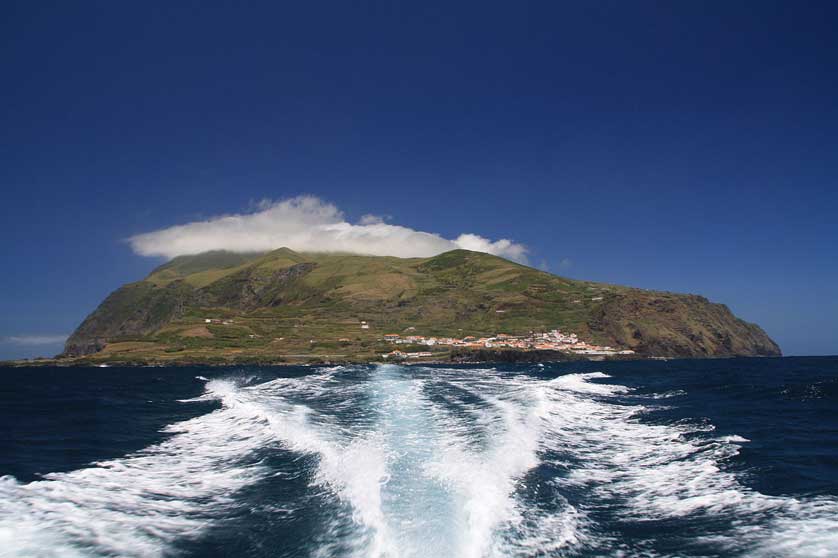
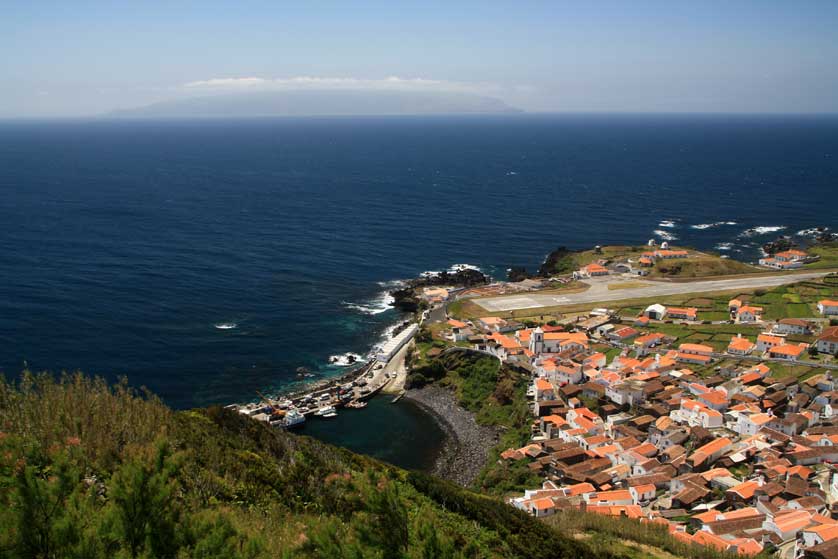
Corvo Island ('cormorant' in Portuguese) in the Azores archipelago is only 6 km by 3 km (4 miles by 2 miles). It is the smallest of the islands and located in the far northwest of the chain.
With around 300 inhabitants in the solitary village of Vila Nova, the island is a haven of tranquility and a center for bird-watching in its several crater lakes.
Surviving on Corvo are also several rare mosses and liverworts.
The island is also known or its crafts including embroidery and lace as well as knitwear including the barreta woollen cap.
Graciosa Island
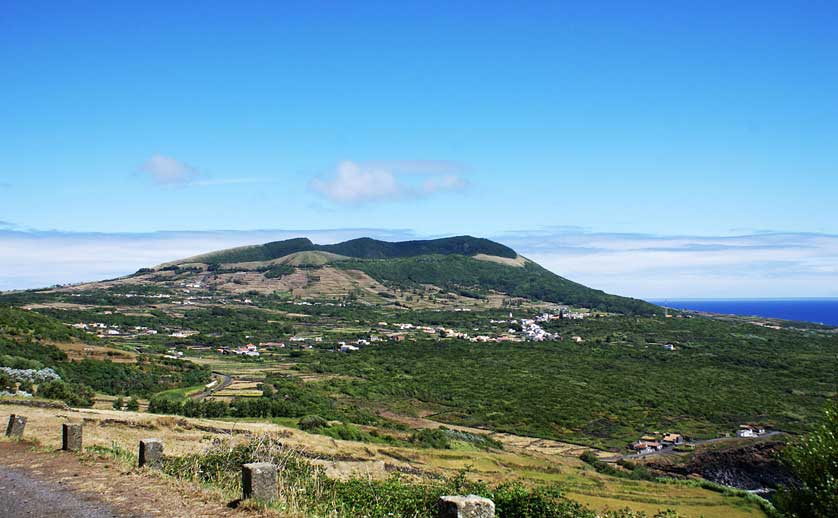
Graciosa, as its name of "gracious" suggests, is a pleasant island in the Azores of sloping hills and quaint villages.
Covering an area of just over 60 square kilometres, Graciosa is 10 km in length and 7 km in width at its widest point. It is the second smallest island in the archipelago.
The island is volcanic in nature like the rest of the Azores. Caldeira da Graciosa is a caldera formed 12,000 years ago. It rises to 405 meters with a depth of 270 meters. Within this protected area is the Furna do Enxofre, a deep cave with the largest volcanic dome in Europe.
The uninhabited offshore islands of Ilhéu De Praia and Ilhéu de Baixo are both home to colonies of seabirds including Cory's shearwater, Audubon's shearwater and roseate tern. The island is also noted for two species of bats, one of which is active during daytime.
The whole area is classified as a Wetland of International Importance under the Ramsar Convention and is part of the Azores UNESCO Global Geopark.

Flores Island
With a rugged coastline the lush island of Flores, 17 km by 12 km (10 miles by 7 miles) abounds in evergreens, crater lakes and steep mountain waterfalls. Together with Corvo, Flores forms the western group of islands of the Azores archipelago. The main settlements are Santa Cruz and Lajes.
The island is volcanic in nature like the rest of the Azores. Poço Ribeira Do Ferreiro with its multiple waterfalls is an incredible sight. Near Poço Ribeira are several crater lakes also of great loveliness. The high altitude peatlands of the central plateau are an important habitat for various flora.
Waterfalls, lakes and caves dot the pristine landscape of the island. There are around 20 waterfalls on Flores some of them cascading directly into the sea from steep coastal cliffs. Cascata do Poço do Bacalhau and Cascata da Ribeira do Fundão are two fabulous falls of note.
The offshore islands are also important habitats for a variety of seabirds in particular the Roseate Tern.

Gerês/Xures Transboundary Biosphere Reserve
The Gerês/Xures Transboundary Biosphere Reserve covers areas in both Spain and Portugal. The area is located in the western-most region of the Iberian Peninsula west of Chaves and northeast of Braga on the Portuguese side.
The area includes several high peaks and parts of the Lima Valley. Within the biosphere are several species of indigenous plants some of which are only found in this specific area of Iberia. Mosses and liverwort species are prevalent.
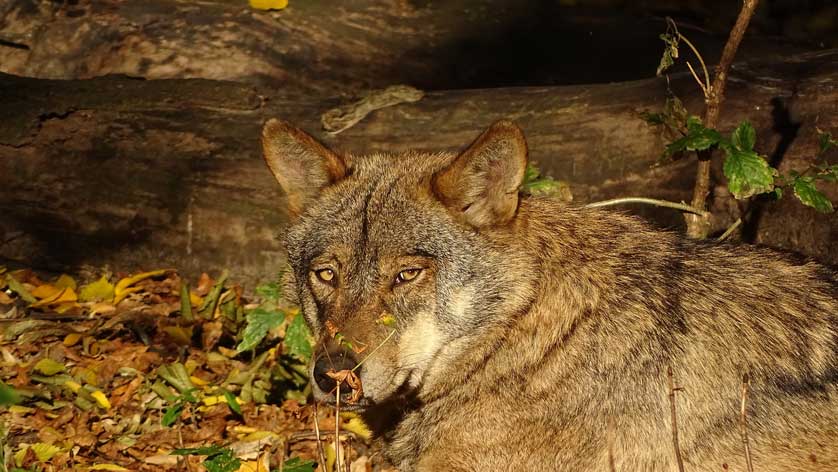
Animals found in the biosphere include the Eurasian eagle-owl, Iberian Wild Goat, Southern smooth snake, Golden stripped salamander and Iberian wolf (Canis lupus).
The Berlengas Islands
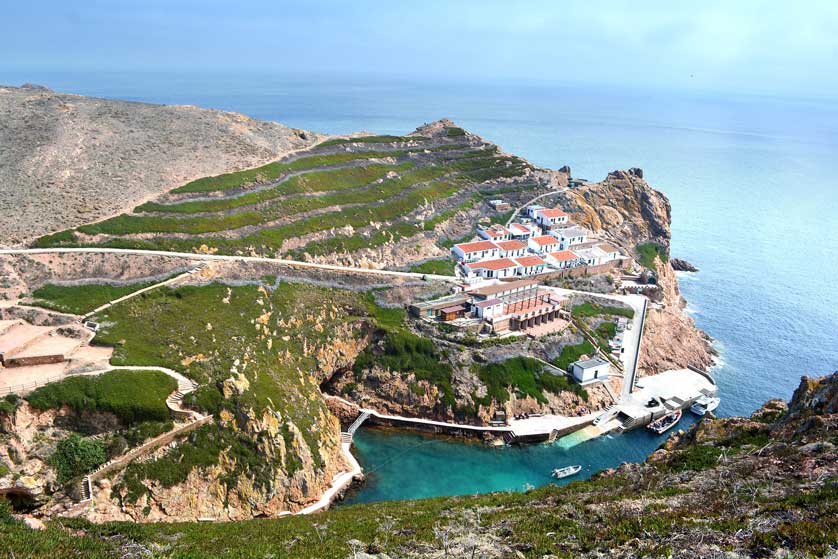
The Berlengas Islands are small islands in the Atlantic Ocean off the coast near Peniche and Caldas da Rainha. The town of Peniche is included in the biosphere.
The island of the Berlenga does not have a permanent population and along with the islets of Farilhoes and Estelas is an important habitat for nesting colonies of seabirds. Two species of lizard are also found on the islands.
With little water, the archipelago, 10-17 km offshore, has only sparse vegetation cover mainly short bushes and grasses. The surrounding sea is rich in fish in particular sea bream, bass and grouper. These in turn attract dolphins and porpoises.

Santana, Madeira
The biosphere of Santana on the northern coast of Madeira is marked by its steep sea cliffs and laurel forest.
The high central mountains of the island have several peaks above 1600 meters cut by deep rivers valleys.
The village of Santana is known for its traditional, brightly-colored, timber-and-thatch palheiros houses.
Meseta Ibérica Transboundary Biosphere Reserve
The Meseta Ibérica Transboundary Biosphere Reserve is on northern border of Spain and Portugal.
On the Spanish side it includes parts of the provinces of Salamanca and Zamora in Castile-León. In Portugal the eastern part of the Trás-os-Montes region is included in the biosphere.
Animals and birds present in this area of outstanding natural beauty are black stork, Bonelli's eagle, Egyptian vulture, Eurasian eagle-owl, European otter and Iberian wolf. Reptiles include Bocage's wall lizard and Seoane's viper.
Fajãs de São Jorge
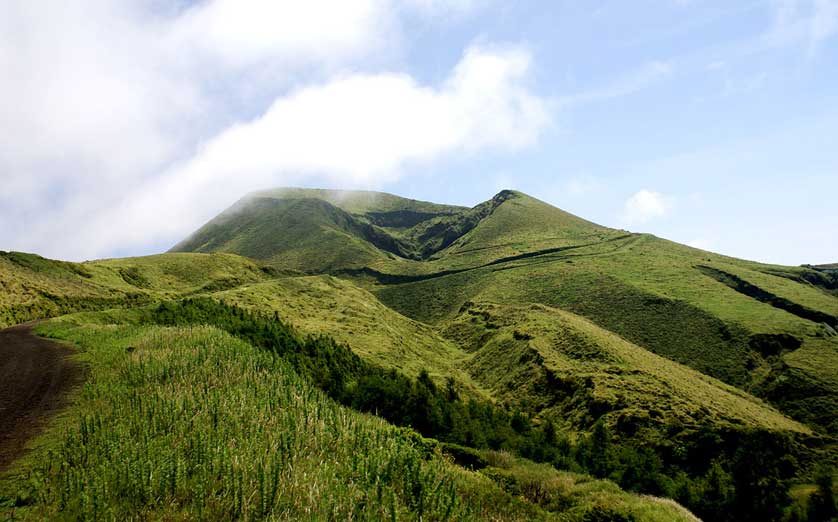
The island of São Jorge - 56 km long by 8 km wide (35 miles by 5 miles) is one of the Central Group of islands in the Azores. The biosphere covers the entire island, which is the fourth-largest in the Azores archipelago.
The interior of the island is a mountain plateau that drops steeply into the sea forming São Jorge's rugged and spectacular coastline. Several fajãs or flat lava flows dot the coastline and provide level ground for habitation.
The island's interior is covered with hydrangeas in season and several species that made there way to the island from India and the Far East during Portugal's Age of Discoveries. The central mountains contain highland meadows, peat bogs and scrubland.
The animals and birds found on the island include the Azores wood pigeon and little egret. In the seas around the island are dolphins and sperm whales.

Tejo/Tajo Internacional Transboundary Biosphere Reserve
The Tejo/Tajo Internacional Transboundary Biosphere Reserve incorporates areas in both Spain and Portugal.
The low altitudes of the zone are home to pastures, scrub, clumps of Cork oaks as well as cultivated areas.
Wildlife found here includes Bonelli's eagle, the black stork, the black vulture, the green lizard, otters and the rare Iberian imperial eagle.

Castro Verde
The Castro Verde Biosphere Reserve is in the Baixo Alentejo region of southern Portugal close to the towns of Beja and Castro Verde. The landscape is characterized by extensive plains where natural grasslands (meadows) and fields of cereals predominate. The flat land has groves of old olive trees, more recent vineyards and sparse patches of other trees, such as Holm and Cork oaks. This steppe-like ecosystem is home to such animals and birds as Iberian Imperial Eagle, Wild Rabbit and very rarely the Iberian lynx (Lynx pardinus).
Related
UNESCO Global Geoparks in Portugal
Lisbon Stay
Hotels in Portugal - Booking.com
Hotels in Lisbon - Booking.com
Lisbon Hop-On Hop-Off Bus, Tramcars, and Yellow Boat River Tour