Museums in Funchal & Madeira
Funchal and the island of Madeira has an amazing selection of diverse and interesting museums.
Several of the museums are repositories of both local and national history, and also the economy and culture of the Madeiran archipelago.
There are museums dedicated to art, electricity, history, photography, sugar, toys, whaling and wine.
See a listing of museums in the city of Funchal and the island of Madeira.
CR7 Museum

The CR7 Museum (Museu CR7) is a museum in Funchal close to the marina dedicated to Madeira's most famous sporting son - Cristiano Ronaldo.
The original museum was on Rua Imperatriz Dona Amélia and opened in 2013. It moved to its present location in 2016.
Housed in a modern building the CR7 Museum showcases a vast collection of memorabilia related to Ronaldo's career, allowing visitors to delve into the journey of one of Portugal's greatest football players.
The museum features a comprehensive collection of trophies, medals, jerseys, and boots that Ronaldo has accumulated throughout his illustrious career. Visitors can see replicas of the prestigious individual awards he has won, including the Ballon d'Or, FIFA World Player of the Year, and UEFA Best Player in Europe Award.
Museu da Quinta das Cruzes
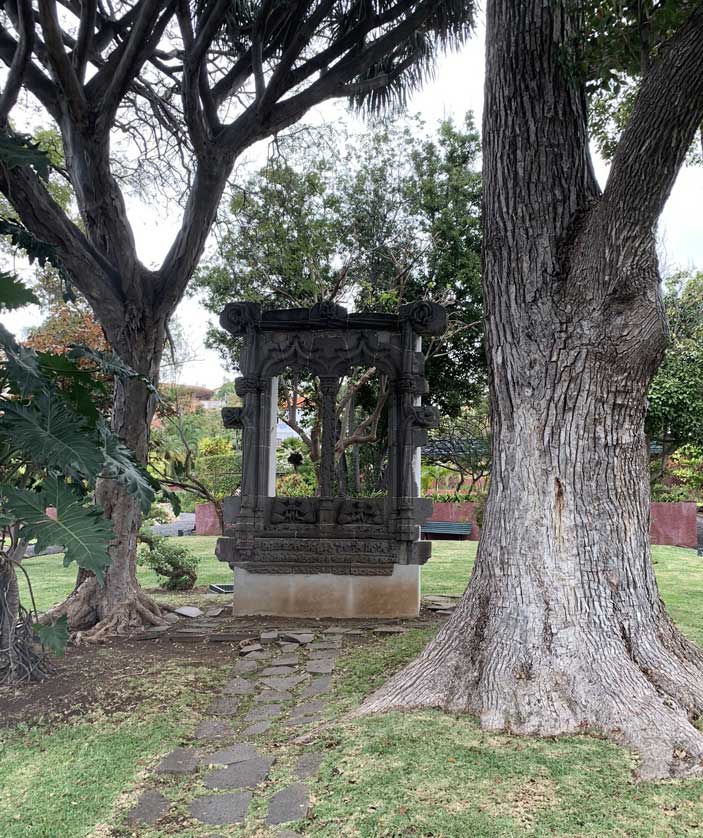
The Museu da Quinta das Cruzes was built by Captain Zarco and his son in the early days of the settlement of Madeira. Later it became the home of the wealthy Lomelino family. Now a museum of decorative arts and period furniture, the house and garden are a must-see on any visit to Funchal. On display are examples of fine ceramics, jewelry, paintings and silver. There is also a 19th century palaquin on the ground floor and the 16th century tombs of João Rodrigues de Freitas, a Portuguese navigator in the garden and Urbano Lomelino, an Italian sugar merchant, in the chapel.

Casa Museu Frederico de Freitas
The Casa Museu Frederico de Freitas is the former home of Frederico de Freitas, a lawyer, collector, and art enthusiast. The museum is housed in a beautiful mansion that was originally built in the 17th century and later expanded in the 19th century. Frederico de Freitas acquired the mansion in 1953 and transformed it into a museum to showcase his extensive collection of art and decorative objects.
The extensive collection includes paintings, sculptures, furniture, ceramics, textiles, and other artifacts, spanning different periods and styles. The museum is organized in a way that reflects the personal taste and interests of Frederico de Freitas. The rooms are filled with a diverse range of objects, creating an eclectic and immersive atmosphere. Visitors can explore the various rooms, each with its own distinct character and theme. One of the highlights of the museum is the impressive collection of Portuguese furniture from the 15th to the 19th centuries. The furniture pieces are intricately carved and adorned with decorative elements, showcasing the craftsmanship of the time.
The museum also features a noteworthy collection of ceramics, including pieces from Portugal, China, and other countries. These ceramics represent different styles and techniques, providing insight into the history and evolution of ceramic art. In addition, the museum houses a collection of paintings by Portuguese and foreign artists, including works by Flemish and Italian masters. The paintings cover a wide range of genres, from religious and historical subjects to landscapes and still lifes.
Museu a Cidade do Açúcar
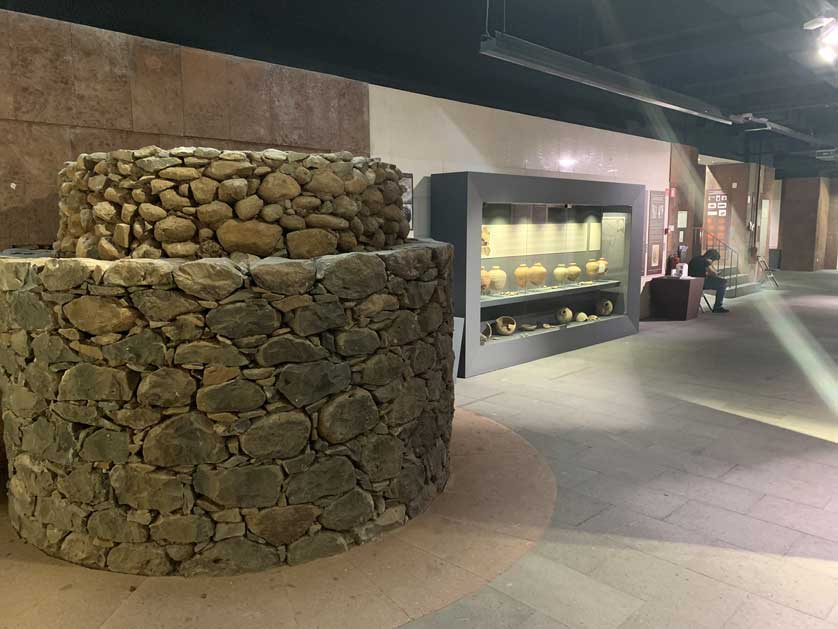
The Museu a Cidade do Açúcar (City of Sugar Museum) explores the history of Madeira through its once important sugarcane industry.
The museum is housed on the site of the former home of a wealthy Flemish sugar merchant Jenin Esmenaut (João Esmeraldo) who settled in Madeira via Lisbon in the late 15th century.
Esmeraldo built the house in 1495 and it is believed Christopher Columbus (also involved in the sugar trade on Porto Santo) was a guest here.
The museum contains a large collection of items relating to the sugar trade such as a rare set of Manueline scales, as well as archeological remains, ceramics (some from as far away as China), coins, furniture (including pieces from Portuguese trade with Japan), Flemish paintings and other historical objects.

Madeira Story Centre
The Madeira Story Centre takes visitors on a journey through time, beginning with the geological formation of the archipelago and the arrival of the first settlers. It explores the island's natural environment, including its unique flora and fauna, volcanic origins, and the influence of its subtropical climate.
The museum also highlights the significant role Madeira played during the Age of Discoveries. It delves into the maritime history of the island, showcasing the navigation tools, maps, and ship models used by early explorers. Visitors can learn about the voyages of Christopher Columbus and other explorers who stopped at Madeira on their way to the New World.
The museum also covers other aspects of Madeira's history, including its wine production, traditional crafts, and cultural heritage. Visitors can explore exhibits on Madeiran folklore, traditional costumes, music, and dances. There are also displays dedicated to traditional crafts like embroidery and wickerwork, showcasing the skills and craftsmanship of the local artisans.
The Madeira Story Centre employs a variety of multimedia technologies, including audiovisual presentations, interactive displays, and 3D reconstructions, to create an engaging and educational experience for visitors. The exhibits are available in multiple languages, ensuring accessibility for international visitors.
There is also a rooftop cafe restaurant and store.
Madeira Photography Museum
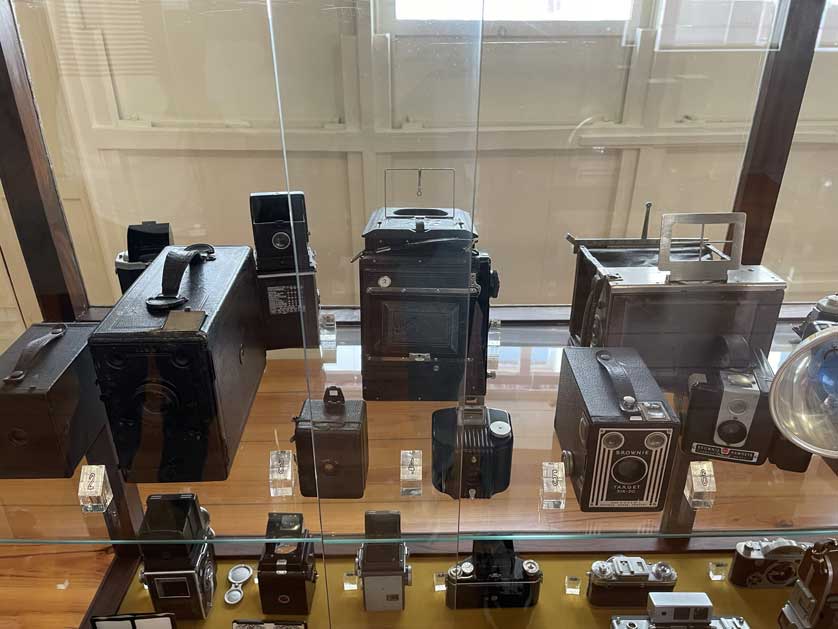
The Madeira Photography Museum is one of Funchal's most interesting museums. Housed in the beautiful, former photography studio of Vincente Gomes da Silva (1827-1906) on Rua da Carreira, the museum exhibits a collection of photographs and photographic equipment from the past 150 years.

Madeira Military Museum
The Madeira Military Museum (Museu Militar da Madeira) is within the historic Palácio de São Lourenço on Avenida Zarco. A useful phone app guides visitors around exhibits of weaponry from the Age of Discoveries to the present day. Also on display are uniforms, paintings and photographs. A visit also includes European and Portuguese art as well as royal portraits from the 17th, 18th and 19th centuries in the São Lourenço Palace Museum.
Casa Museu Cristóvão Colombo
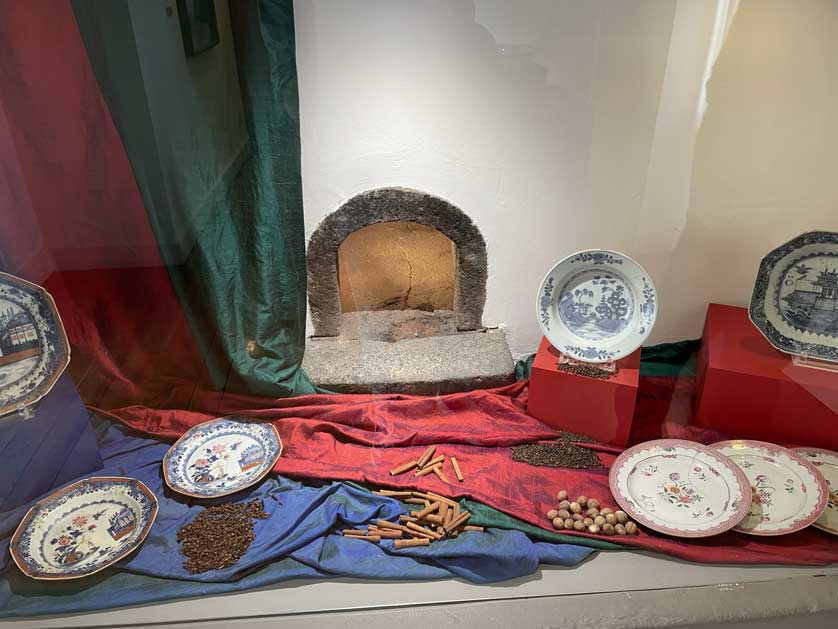
The Casa Museu Cristóvão Colombo in Vila Baleira on Porto Santo is the most important museum on the island. Christopher Columbus came to the island in 1478 as a sugar trader and later married Felipa Moniz Perestrelo, the governor's daughter. The stone house where they supposedly lived is preserved as a museum dedicated to the explorer and his life.
Inside the museum, you can explore several rooms that have been recreated to reflect the period in which Columbus lived. These rooms showcase typical household items, furniture, and decor from the time, giving visitors a sense of the environment in which Columbus grew up.
The museum's exhibits provide information about Columbus' voyages of discovery and his encounters with the New World. Visitors can learn about the challenges and adventures he faced, as well as the impact his discoveries had on world history and exploration.
In addition to the exhibits, the Casa Museu Cristóvão Colombo also houses a library and an archive, which contain a collection of books, documents, and research materials related to Columbus and the Age of Discovery. Researchers and scholars interested in studying the explorer's life and historical context can access these resources.
Nearby is the historic Igreja de Nossa Senhora da Piedade.
Museu de Arte Sacra
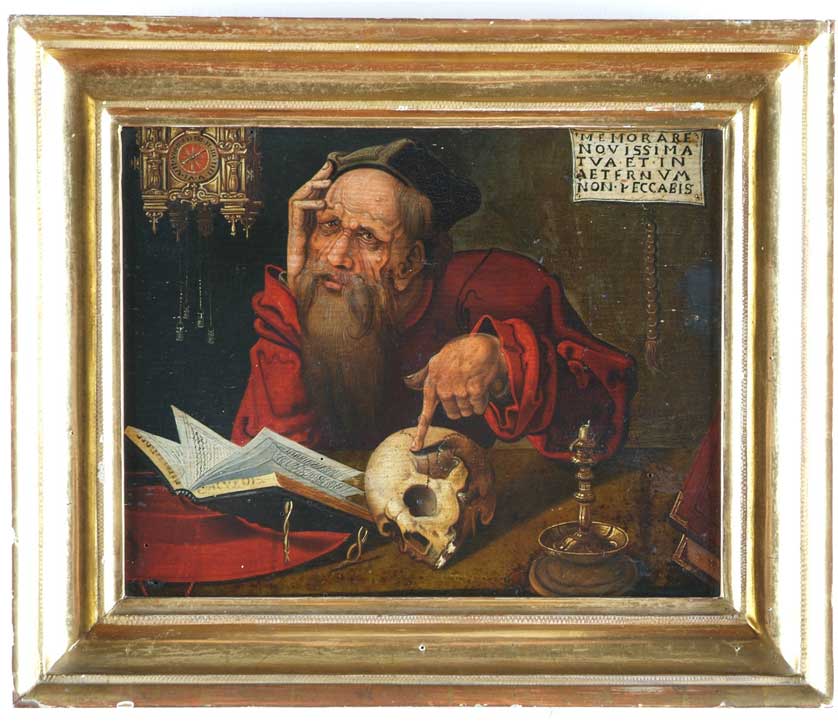
The Museum of Sacred Art (Museum of Sacred Art) in Funchal has a large collection of religious paintings, artifacts and clerical vestments. The museum's collection spans several centuries and encompasses a wide range of artistic forms, including paintings, sculptures, gold and silverwork, textiles, and religious artifacts. Many of the works on display are of significant historical and artistic value.
One of the highlights of the Museu de Arte Sacra is its collection of religious paintings. The paintings showcase different styles and techniques, offering insights into the evolution of art in Madeira and its religious context.
The museum also houses an impressive assortment of sculptures, both wooden and polychrome, representing various religious figures and scenes.

Monte Palace Museum
The Monte Palace Museum in Monte Palace Tropical Garden is on three floors. Two floors are dedicated to sculpture and one to a collection of minerals. The sculptures include African Passion - over 1,000 Zimbabwean figures from the 1960s. The ground mineral collection exhibits specimens from Argentina, Brazil, North America, Peru, Portugal, South Africa, and Zambia. Precious gems, such as diamonds can also be seen.
Museu da Baleia
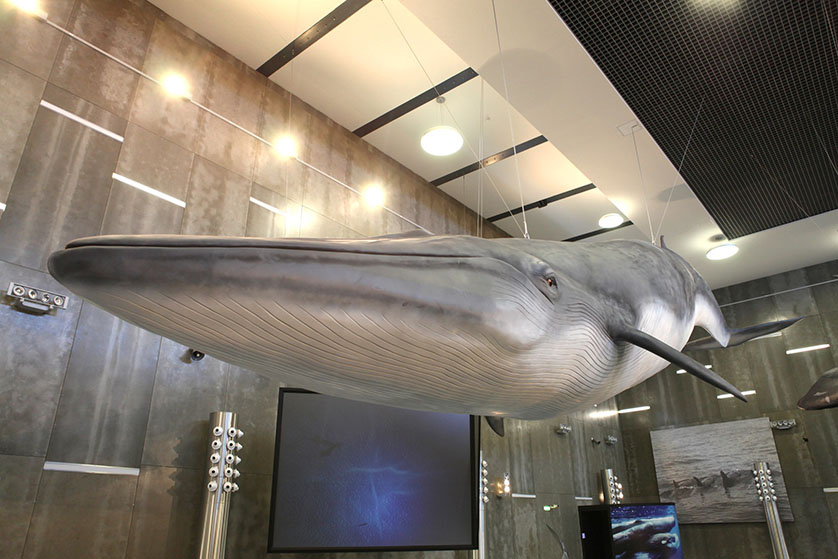
The Museu da Baleia in Caniçal has exhibits on Madeira's once thriving whaling history. Caniçal is a coastal village known for its historical connection to whaling, and the museum serves as a tribute to this cultural and economic heritage. The museum is dedicated to preserving the history and knowledge of whaling in Madeira, showcasing the region's close relationship with the sea and marine life. It provides visitors with insights into the whaling industry and its impact on the local community. Inside the Museu da Baleia, visitors will find a variety of exhibits including historical artifacts, equipment, and tools that were once used by whalers. These items help visitors visualize the techniques employed in capturing and processing whales. Te museum also exhibits a collection of whale skeletons. These impressive skeletal displays provide a close-up look at the structure and size of different whale species. The Museu da Baleia features interactive displays that engage visitors in a hands-on learning experience. These interactive exhibits aim to educate visitors about marine life, conservation efforts, and the impact of human activities on whales and their habitats. The museum often screens documentary films related to whaling and marine conservation. These films provide further insights into the history, biology, and ecological importance of whales. In addition to the exhibits, the Museu da Baleia also offers educational programs and activities for schools and visitors of all ages. These programs aim to raise awareness about marine conservation and promote a deeper understanding of the natural world.
3D Fun Art Museum
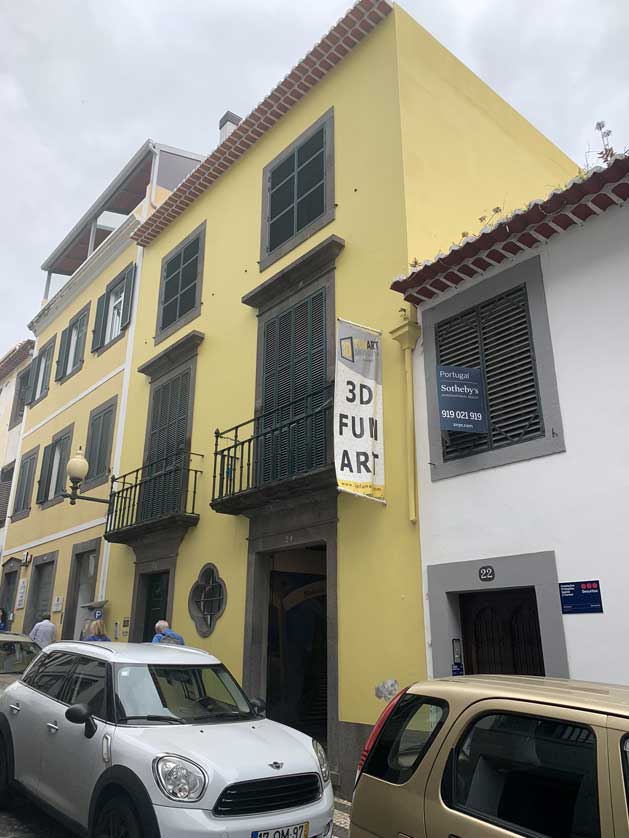
The 3D Fun Art Museum in Funchal's Old Town combines art and fun using 3D images and optical illusions. 40 different scenes can be enjoyed including a traditional Madeiran folk dance.
Museu Henrique e Franscisco Franco
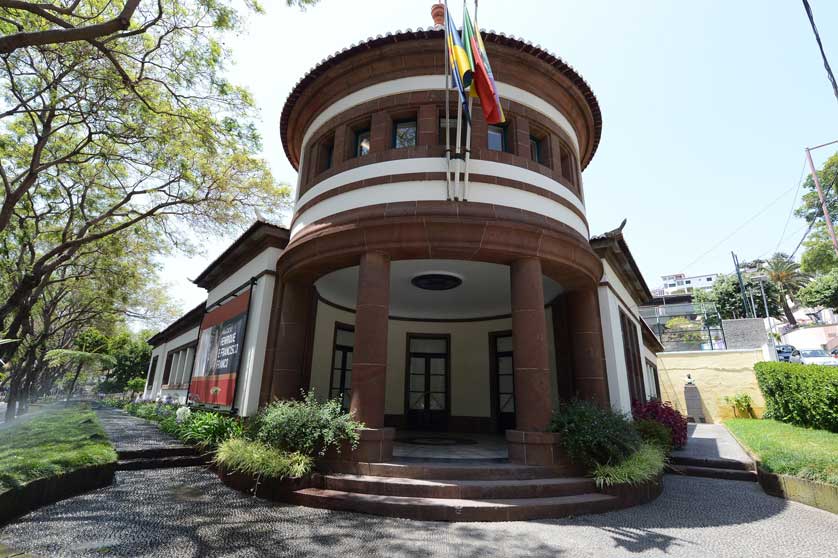
The Museu Henrique e Franscisco Franco on Rua João de Deus in Funchal showcases the art of Madeira-born brothers Henrique (1883-1961) and Franscisco (1855-1955). The brothers left the island and found fame in Lisbon and Paris. Part of the Modernist movement, Henrique's work can be seen at the Nossa Senhora de Fátima Church in the Portuguese capital. On display are paintings by Henrique and sculptures by Franscisco. Open Monday to Friday 9 am to 5.30 pm; closed on weekends and public holidays.
Núcleo Museológico do Bordado da Madeira
The Núcleo Museológico do Bordado da Madeira is dedicated to Madeira's unique embroidery, handicrafts and folk costumes.
Wine Museums
Madeira has a couple of interesting wine museums where visitors can learn more about Madeiran wine. The Museum of the Vine and Wine is housed in a restored former wine cellar. It exhibits traditional tools used in wine production such as wine presses, casks and barrels. There is also information on vineyards and the wine cycle as well as a variety of local wines on sale.
In Funchal, there is an older wine museum - the Madeira Wine Institute Museum - located in a property that used to belong to a 19th-century British consul. The museum presents the history and techniques of wine production on the island.
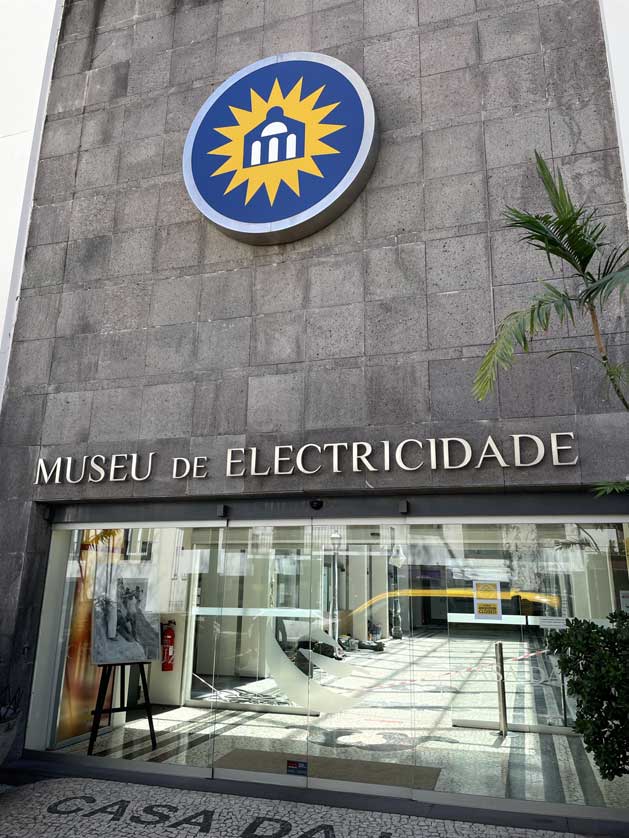
Electricity Museum
The Museu de Electricidade (Casa da Luz) in Funchal is a museum dedicated to electricity production on the island. Housed in a former thermal power station of the Madeira Electric Lighting Company Limited dating from 1897, the museum opened in 1989. The "Lights of the Funchal" gallery exhibits various types of lighting used in Funchal over the ages from the first olive oil lamps to current lamps. The "Century of Electricity" explains the history of electrification on the island. On display are various pieces of machinery from the two main forms of electric energy production on Madeira - thermal and hydroelectric. The third gallery entitled "Energy Sources" explains various sources of energy in particular renewable energy. There is also an area dedicated to science and technology, equipped with interactive equipment and multimedia software.