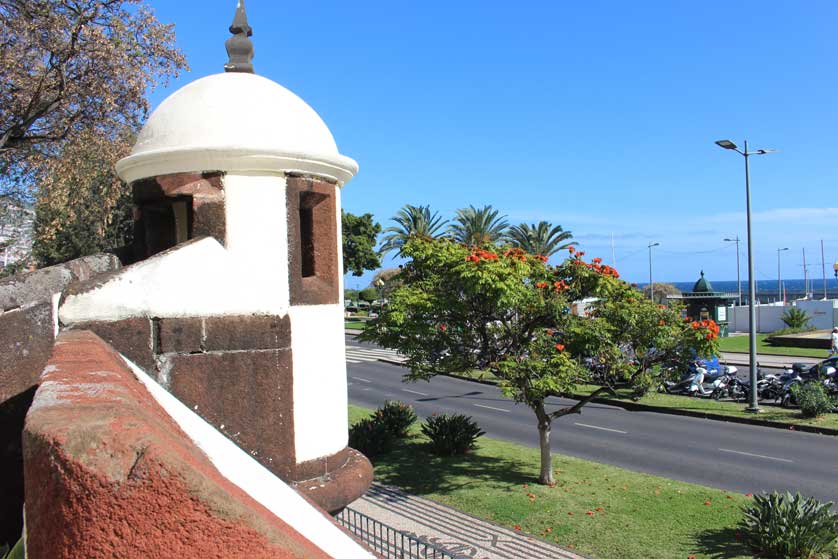
Madeira Military Museum (Museu Militar da Madeira), Funchal, Madeira

The Madeira Military Museum (Museu Militar da Madeira) in Funchal is within the historic Palácio de São Lourenço on Avenida Zarco. A useful phone app guides visitors around exhibits of weaponry from the Age of Discoveries to the present day. Also on display are uniforms, paintings and photographs. A visit also includes European and Portuguese art as well as royal portraits from the 17th, 18th and 19th centuries in the São Lourenço Palace Museum.


History
The museum is housed in the Palácio de São Lourenço, the most important military structure in Madeira.
Construction of the fortress and palace began in the 16th century on the orders of Dom Manuel I with improvements in the following century.
The fort served as protection against raids by corsairs and pirates. It was once the residence of the governors of Madeira and is now occupied by the Commandant of the Military Zone of Madeira.
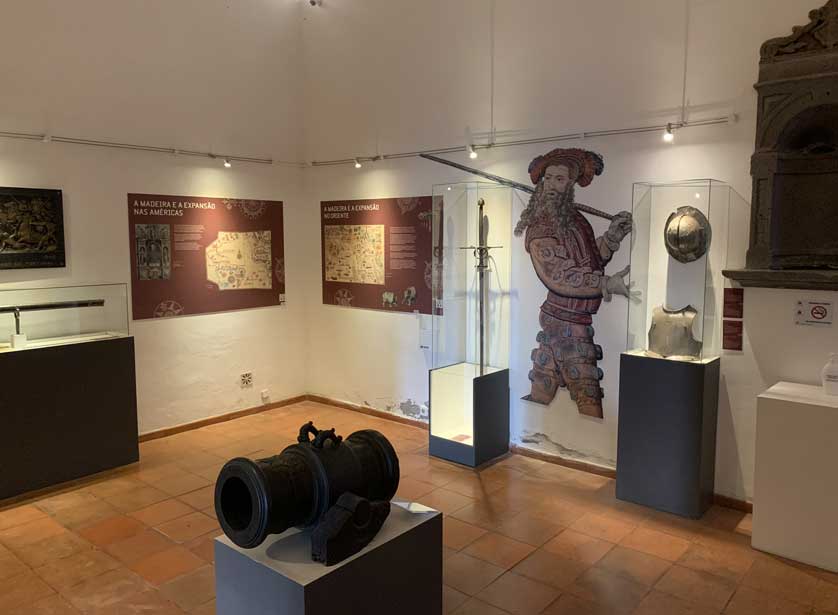
Heavy artillery gave the Portuguese an edge on the battlefield and at sea during their expansion across the globe, the main foundries were in Lisbon but later the São Lourenço fortress also had its own foundry producing cannon.
The museum opened in 1993.

Exhibits
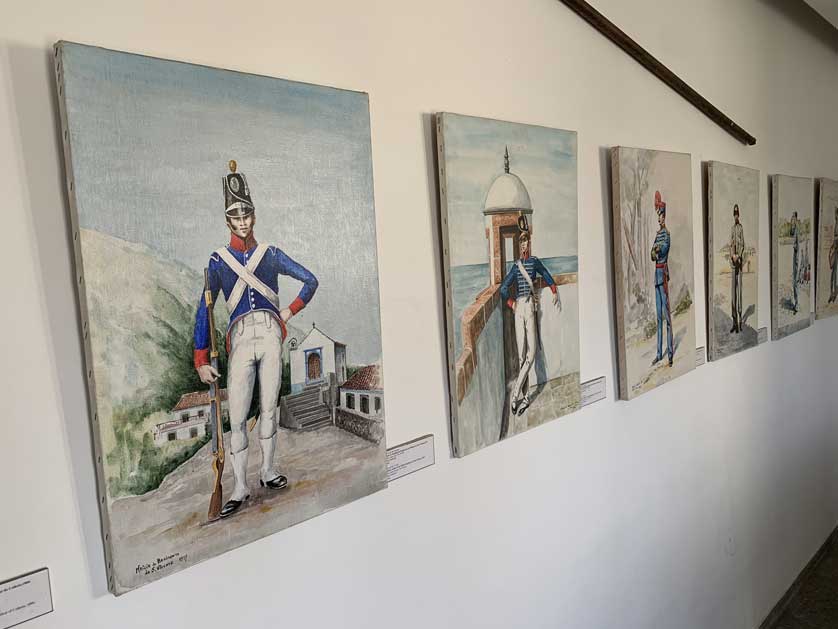
The collection of the Museu Militar da Madeira includes weapons, uniforms, paintings and other objects relating to the history of Madeira and its military forces. Wall panels explain the main historical events that have taken place in Madeira.
The islands of Madeira and Porto Santo became important bases as fleets from Lisbon set off for Brazil, Africa, India and the Far East. The ships stopped at the islands to take on provisions (water, wine, food etc) and also many sailors from Madeira served on these expeditions.
The militarization of Madeira began in earnest after a raid by French corsairs in 1566. Two Italian military engineers and Mateus Fernandes, the royal master builder were despatched to the island to improve its defences.
The wall along the seafront was extended to the Fortress of Santiago (Fortaleza de São Tiago) and a new fort was built in Pico.
The museum also charts the role played by Madeirans in the European settlements on Cape Verde and São Tomé and Príncipe. The islands were a key part of the Atlantic slave trade as well producing sugar with techniques brought from Madeira.
Other parts of the exhibition chart some little-known events in Madeiran history including the occupation of the islands by the British for a short period from December 1907 to April 1808 in the middle of the war against Napoleon. Indeed, British military authority, rather than sovereignty, remained in British hands until 1814.
Another quirk of history is the 1931 revolt, a military uprising against the government of the National Dictatorship (1926-1933). A military expedition sent from Lisbon eventually put down the insurrection after seven days of fighting.
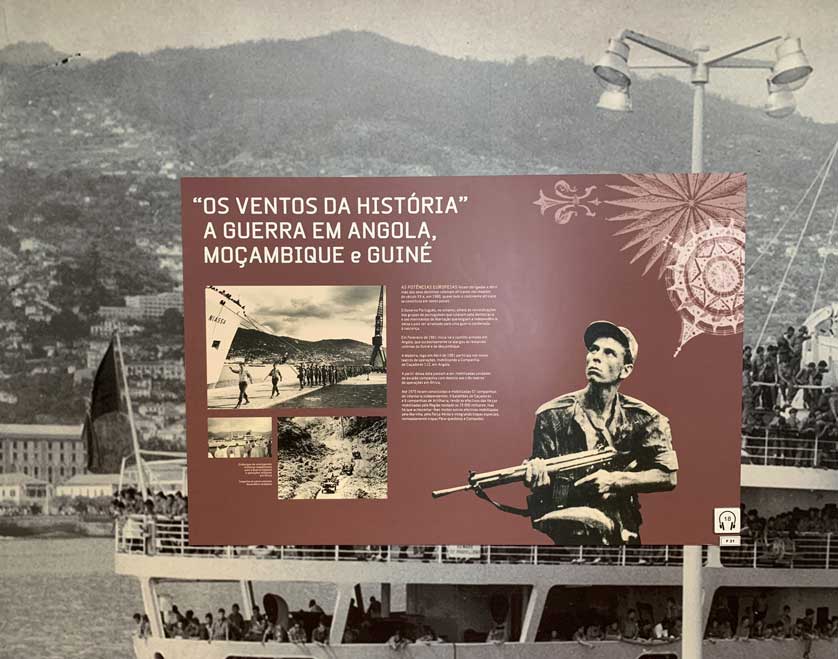
Further exhibits show the participation of Madeiran forces (thought to have numbered around 15,000 men) in the later colonial wars in Africa in the 1960s and 1970s.

Accommodation
Some recommended hotels in Funchal include the Pestana Casino Park Hotel & Casino, overlooking the Bay of Funchal, Pestana Casino Studios, Pestana CR7 Funchal, and the Hotel Madeira.
Top end hotels on Madeira include the LTI Pestana Grand Ocean Resort Hotel, with spa, steam baths, saunas and indoor pool, and The Cliff Bay - PortoBay boasting indoor and outdoor swimming pools, a 2-Michelin star restaurant and free Wi-Fi.
The 3 star Hotel Monte Carlo and the Hotel Catedral, also 3 star with air-conditioned rooms and terrace are more budget options.
See a full listing of hotels in Funchal and hotels in Madeira as a whole.

Access
Palácio de São Lourenço, Avenida Zarco
9001-903 Funchal
Tel: 291 204 902
www: facebook.com/museumilitardamadeira
Hours: 10 am - 5 pm Monday to Saturday.
Admission is 2.50 Euros with concessions for students and seniors.
The museum is close to Funchal Cathedral, Blandy's Wine Lodge and the Jardim Municipal do Funchal.
Madeira Articles