Collection of Religious Art, Igreja de São Francisco, Evora
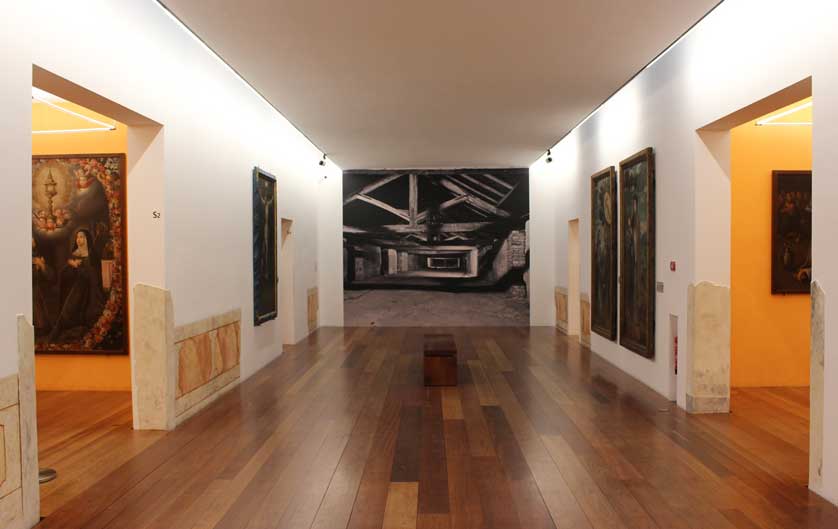
The Igreja de São Francisco in Evora is famous for its macabre Capela dos Ossos (Chapel of Bones). A more recent attraction at the church is the Canha da Silva collection of nativity scenes with examples from both Portugal and overseas. Additionally, the church also boasts a fine collection of religious art.
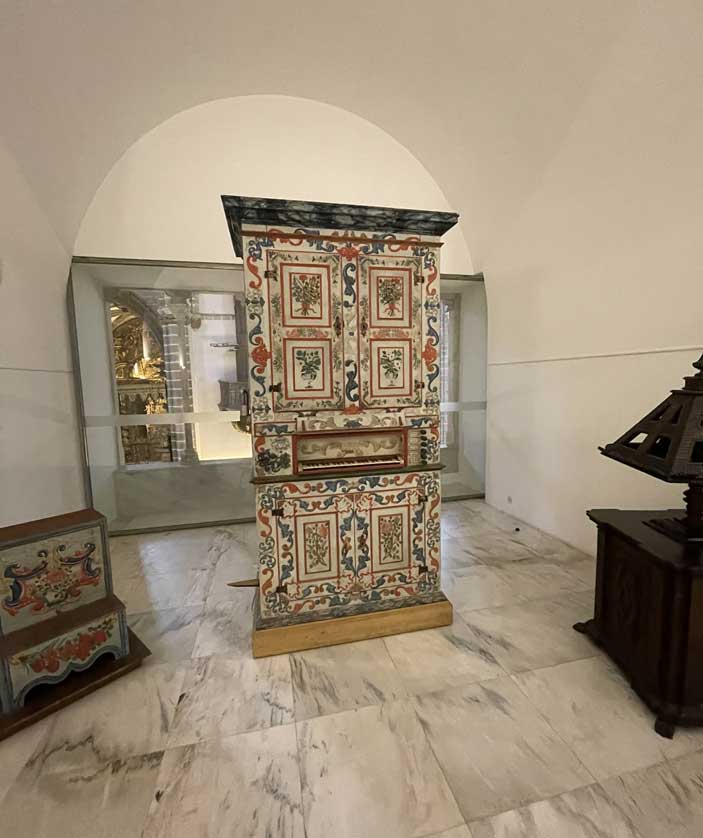
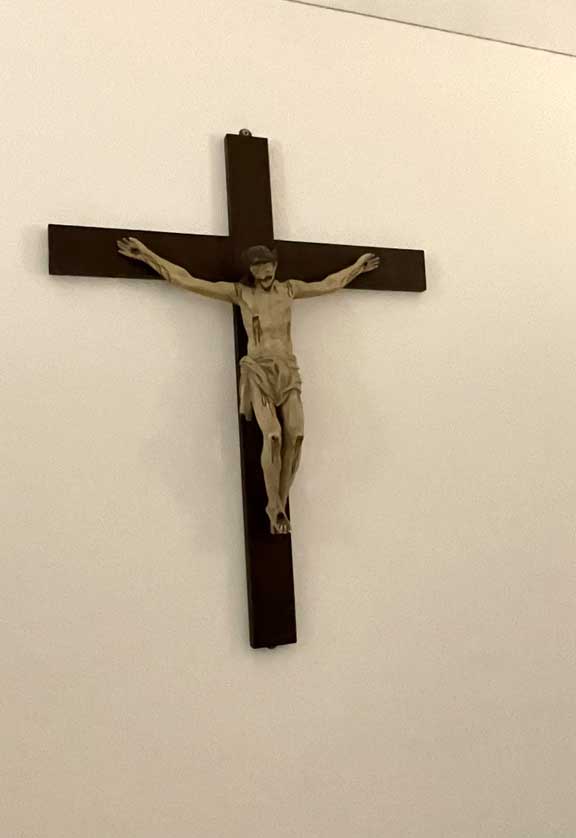
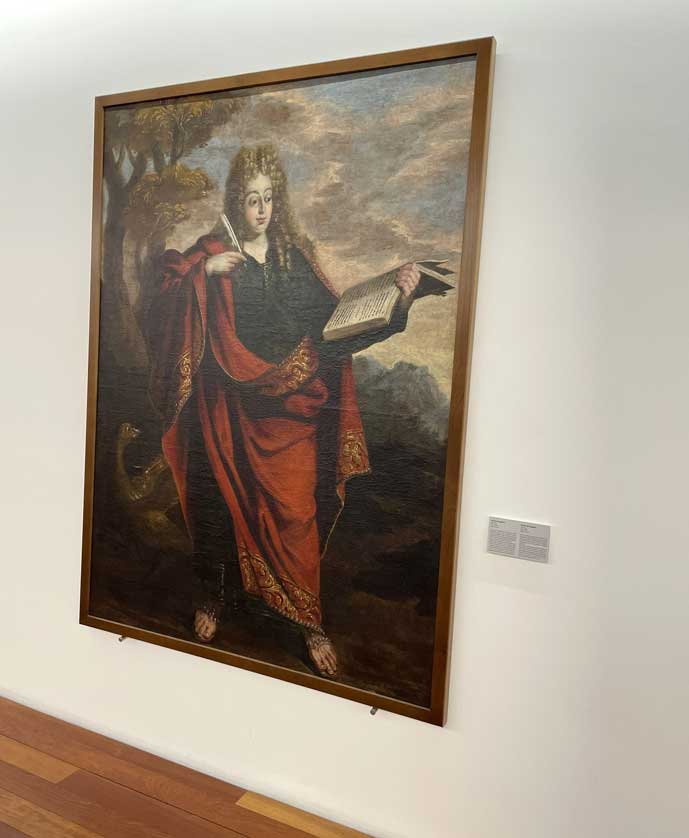
The religious art on display at the Igreja de São Francisco includes works by master painters such as Francisco João and António de Oliveira Bernardes, sculptures from the 16th to 18th centuries, church vestments, and gold jewelry, as well as a collection of ecclesiastical silver plate.
The works on display come not only from the Igreja de São Francisco itself but also other churches in Evora and the surrounding area.
History
According to the Crónica Seráfica (1750), the convent of São Francisco was known as the "convent of gold", for its "grandeur and pleasant site".
The decision of Portuguese monarchs to use the convent as a Palace undoubtedly contributed to its magnificence. This decision, according to the same chronicle, was originally taken by Dom Dinis (1279-1325).

Dom Afonso IV (1325-1357), fleeing from the plague that was raging in Lisbon, married his son Pedro to Dona Constança Manuel at São Francisco and resided there during the celebrations.
From then on, frequent donations and royal interventions transformed the whole southern part of the convent and its grounds into a Royal Palace, with gardens. In return, improvements were made to the convent and its church was totally rebuilt, being used as a palace chapel.
The construction of the new church over the old church, which remained open for worship, began under Dom Afonso V (1438-1481) and continued under Dom João II (1481-1495). However, most of the work and its completion took place during the reign of Dom Manuel I (1495-1521) to a bold and innovative architectural design of outstanding quality.
The golden era of the Royal Palace was during the reigns of Dom Manuel and Dom João III (1521-1557), who resided in the city for several years, with clear material benefits for the convent, although the monks complained about the disruption caused by the neighbouring court.
After the reign of Dom Sebastião (1557-1578), the unused Palace entered into decline, until Philip II (Philip III of Spain, 1598-1621), after visiting Évora in 1616, returned the whole building and its gardens to the church.

Access & Hours
Igreja de São Francisco & Capela dos Ossos
Praca 1 de Maio, Evora
Hours: Daily from 9.30 am to 6.30 pm; adults 5 Euros, senior 3.50 Euros; children 3.50 Euros.
Admission to the church includes the Capela dos Ossos and the two museums on the upper floors in the former dormitories of the convent.
The church is a 15 minute walk from Evora bus station.
Gallery


Maps of Evora
