Portugal's Government & Political System
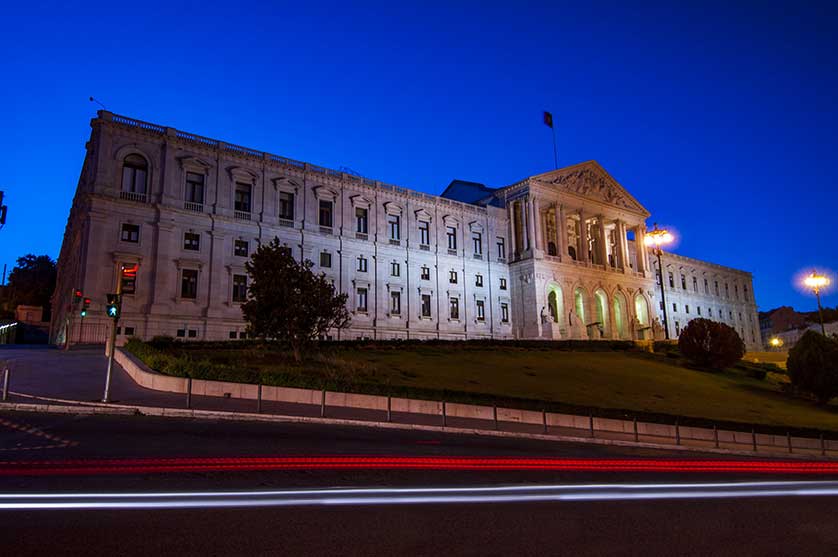
Portugal has a semi-presidential system of government. Although the President holds no direct executive power, he or she approves all laws enacted by the Assembly of the Republic (Assembleia da República) - the Portuguese parliament - or by the Government.
Portugal's Political System
The present Portuguese Republic consists of four sovereignty bodies - the President of the Republic, the Assembly of the Republic, the government and the courts.
The President of the Republic is the head of state and Supreme Commander of the Armed Forces. The President can also dissolve the Assembly of the Republic and appoints the Prime Minister.
The Assembly of the Republic (Assembleia da República) has 230 seats. Its key powers include the power to dismiss a government through a vote of no confidence, to change the laws of the country, and to amend the constitution (for which a majority of two-thirds is required).
Members are elected to Parliament by proportional representation from the country's twenty-two constituencies. These are the 18 districts of mainland Portugal, one each for the autonomous regions of Azores and Madeira, and two for Portuguese citizens living overseas (one for Europe and one for the rest of the world). The latter measure seems incredibly enlightened especially for say Britons who are disenfranchised after 15 years of living abroad.
The number of MPs is determined by the number of voters registered in a constituency. Lisbon and Porto return the most with 48 and 40 respectively. Portalegre elects just two.
The curent Prime Minister of the Government of Portugal is António Luís Santos da Costa of the Socialist Party (Partido Socialista). He is a former mayor of Lisbon and of part Goan descent through his father.
The Portuguese judiciary system is divided into four independent categories with their own court structure. These categories are Administrative, Auditors (Tribunal de Contas), Constitutional (Tribunal Constitucional), and Judicial (Ordem Judicial).
The Constitutional Court (Tribunal Constitucional) mainly reviews the constitutionality of newly approved legislation.
History
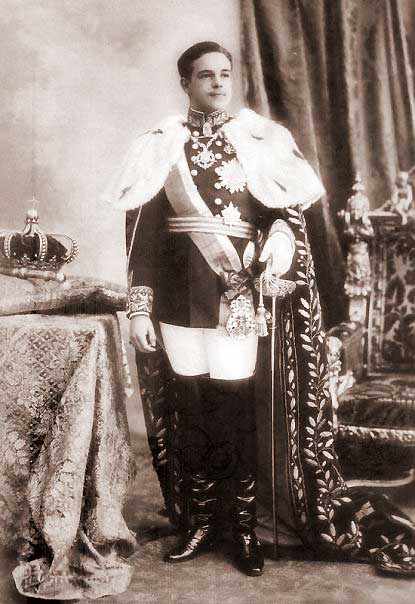
The present Republic of Portugal is the Third Republic (Terceira República Portuguesa) in the country's history since the abolition of the monarchy in 1910 and the establishment of the First Republic (1910-1926).
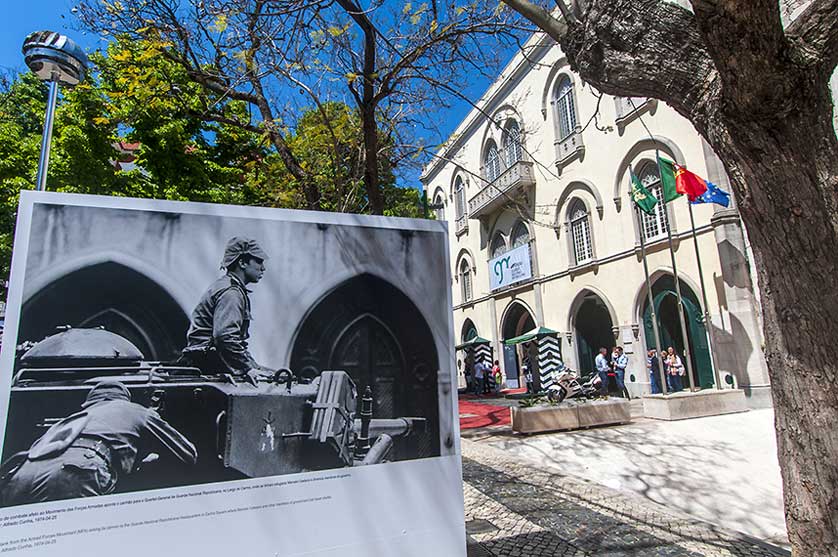
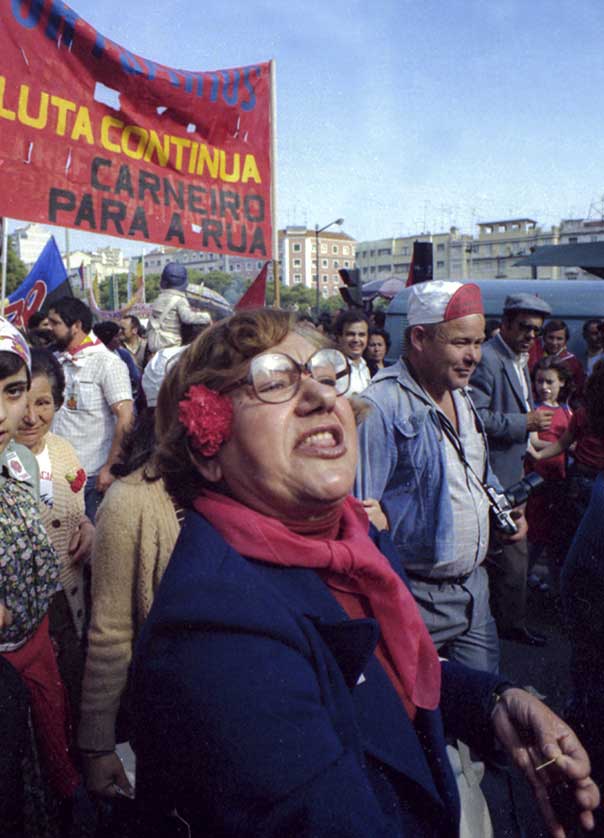
The First Republic was followed by the dictatorial regime of the Estado Novo and António de Oliveira Salazar. This Second Republic was overthrown by the largely bloodless Carnation Revolution of April 1974.
Enacted in 1976 the new Constitution created the semi-presidential system of government in order to avoid the danger of dictatorship as during Salazar's Estado Novo regime, and the weaknesses of prolonged periods of parliamentary instability, as during the years of the First Republic.
The Constitution establishing the Third Republic has been revised twice since in 1982 and 1989. The revisions essentially watered down the socialist ideological content of the first document. They also ended the military's control of Portuguese politics and abolished the Council of the Revolution. This was replaced by the Council of State (Conselho de Estado) to advise the President. The 1989 revision removed various economic restrictions allowing the state to privatize enterprises that had been nationalized after the 1974 revolution.
Locations
Portugal's Parliament, the Palácio da Assembleia da República is located in the Estrela district of the city, not far from Bairro Alto to the east. The building was formerly the Benedictine Mosteiro de São Bento or Convento de São Bento, dating from the 17th century. The Portuguese parliament has convened here since 1833.
Just behind the main building is the official residence of Portugal's Prime Minister - a restored 19th century mansion (São Bento Mansion), first occupied by the dictator Salazar in 1938.
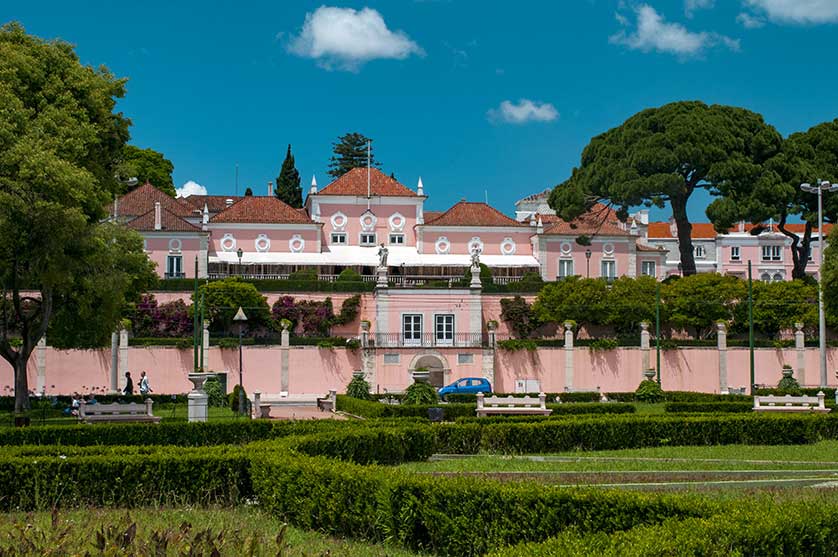
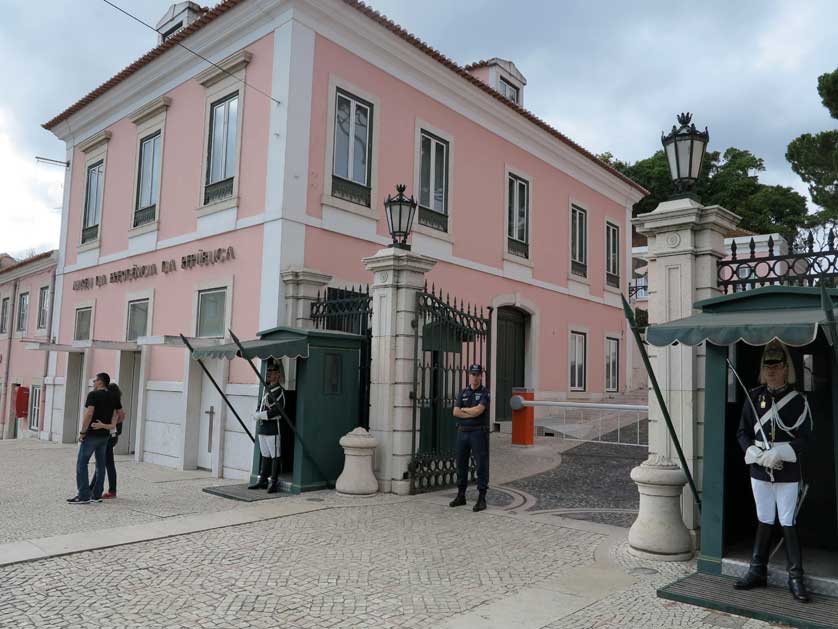
Belém Palace (Palácio de Belém) in the Belém district of the capital is the official residence of the President of Portugal and previously the official residence of Portuguese monarchs. The Museu da Presidencia da Republica is a modern facility within the palace and opened in 2004.
The galleries of the museum have displays of the lavish state gifts given to the Portuguese head of state by foreign countries, information on and personal belongings of the Portuguese presidents since 1910, state documents and state honors. The presidential state cars are also on temporary display when not on loan to other museums around the country.
Belém Palace and its formal gardens are open to the public on Saturdays from 10.30 am-4.40 pm.
Ratton Palace in Lisbon is the seat of the Constitutional Court of Portugal (Tribunal Constitucional).