Ducal Palace of Vila Viçosa
Vila Viçosa in the Alentejo region of Portugal is home to the vast Ducal Palace (Paço Ducal de Vila Viçosa). The palace is the town's main tourist attraction and was once the seat of the powerful Dukes of Bragança (Braganza).
History of The Palace
This line of the Portuguese royal family was originally a noble clan from Bragança in the Trás-os-Montes region of north east Portugal, close to the Spanish border. They took power in Portugal in 1640 after the Spanish were driven out and João IV became king. The House of Bragança reigned as monarchs until Portugal became a republic in 1910.
In the mid-15th century the town and surrounding area passed to the House of Braganza (Bragança in Portuguese). In 1502 construction of the Ducal Palace began. The palace was remodelled during the 16th and 17th centuries in the grand Mannerist style.
From 1640 on after João IV became king, the Braganzas moved their main residence to the capital Lisbon and a slow decay set in on the town. However, the palace remained as a holiday home for the family. Indeed, Dom Carlos spent his last night here before his assassination in Terreiro do Paço near Praça do Comércio in Lisbon in 1908. Also Catarina de Bragança (1638-1705), the wife of Charles II of England, was born here.

Architecture
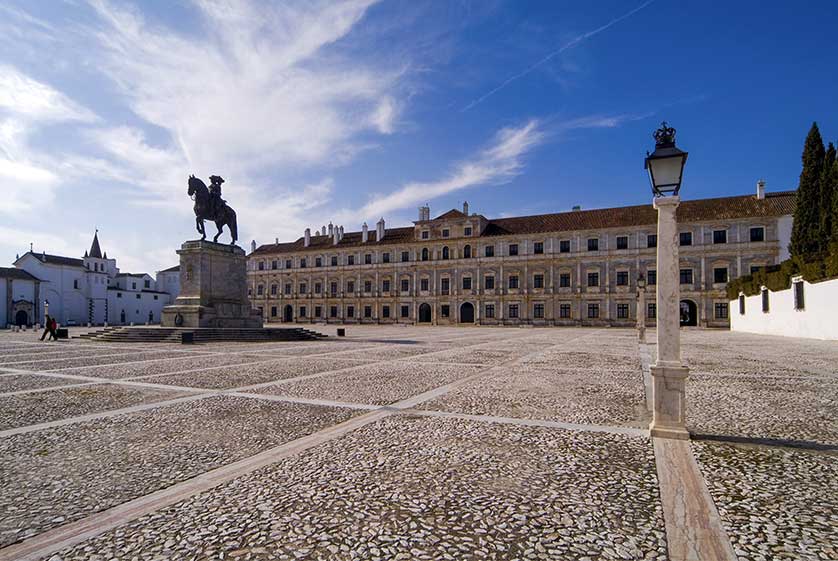
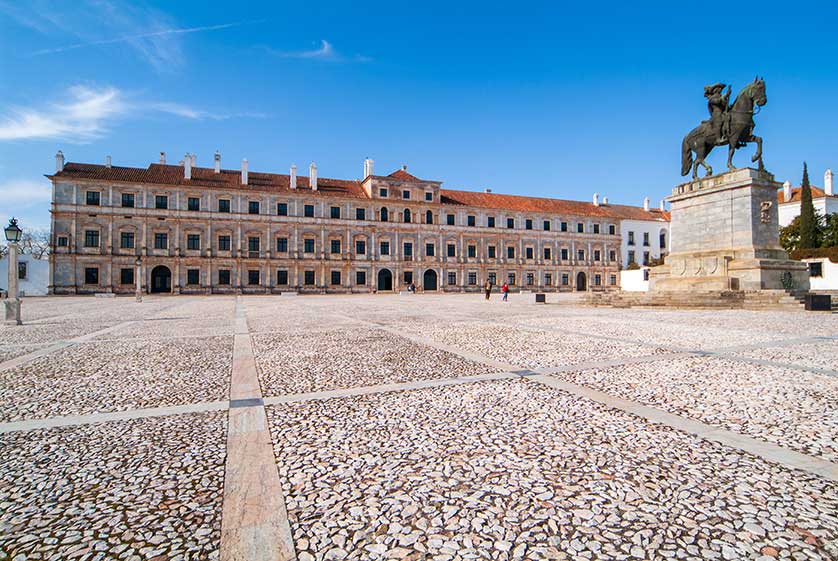
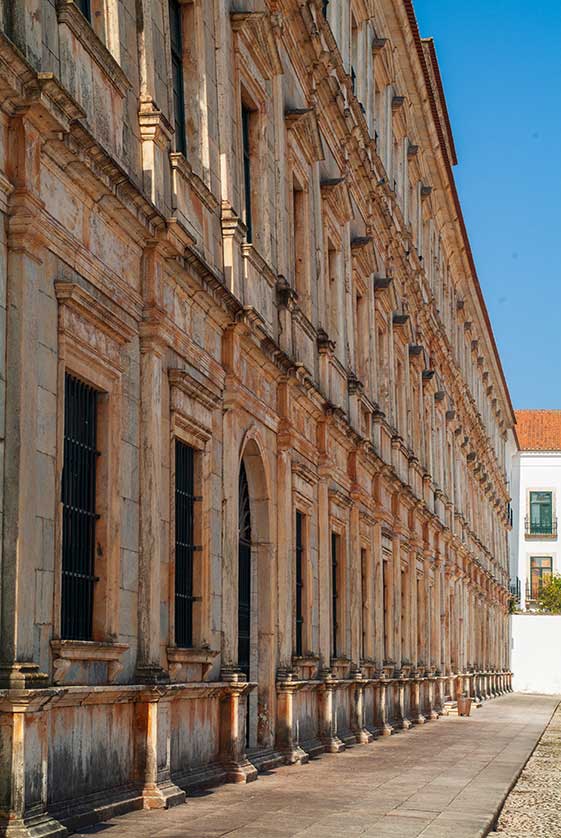
The 110 meter-long façade of the three storey, rectangular building is notable for its extensive use of local Estremoz pink marble, which gives it a distinctive and elegant appearance. The symmetrical layout features classical columns, arcades, and richly decorated windows, blending Italian Renaissance influences with Portuguese artistic traditions. The central pediment has two main entrance doors. In the square outside the palace stands an equestrian statue of Dom João IV by Francisco Franco (1943).

Highlights
The vast Ducal Palace (Paço Ducal de Vila Viçosa) is the main attraction in Vila Viçosa. The family originally came from Bragança in the Trás-os-Montes region of north east Portugal, close to the Spanish border.
They settled in the castle in the town but decided to build more luxurious quarters in the early 16th century.
The palace is full of fine furniture, paintings and tableware from different centuries. The interior is beautifully worked with much use of local marble and azulejos tile panels.
Highlights of the Paço Ducal de Vila Viçosa include the Sala das Tapeçarias (Tapestry Hall) with its beautiful azulejos tiles, the Sala do Gigante (Hall of the Giant) with its fantasy frescoes and the Sala de Medusa (Hall of Medusa), with a painted fresco depicting the struggle between Medusa and Perseus.
The armory has displays of arms and weapons belonging to the Dukes of Bragança and there are also collections of royal coaches and carriages, ceramics from both Portugal and China as well as hunting trophies from the Tapada Real (royal hunting grounds).
There is also a smaller and earlier ducal palace belonging to the Braganza family - the Paço dos Duques de Bragança - in Guimarães.

The House of Braganza (1640-1910)
There were 16 kings and queens in the line of the Braganzas from 1640 until 1910 and the end of the Portuguese monarchy.
João IV (1604-1656)
Afonso VI (1643-1683)
Pedro II (1648-1706)
João V (1689-1750)
José I (1714-1777)
Maria I (1734-1816)
Pedro III (1717-1786)
João VI (1767-1826)
Pedro IV (1798 -1834)
Maria II (1819-1853)
Miguel I (1802-1866)
Fernando II (1816-1885)
Pedro V (1837-1861)
Luís I (1838-1889)
Carlos I (1863-1908)
Manuel II (1889-1932)
Castle of Vila Viçosa
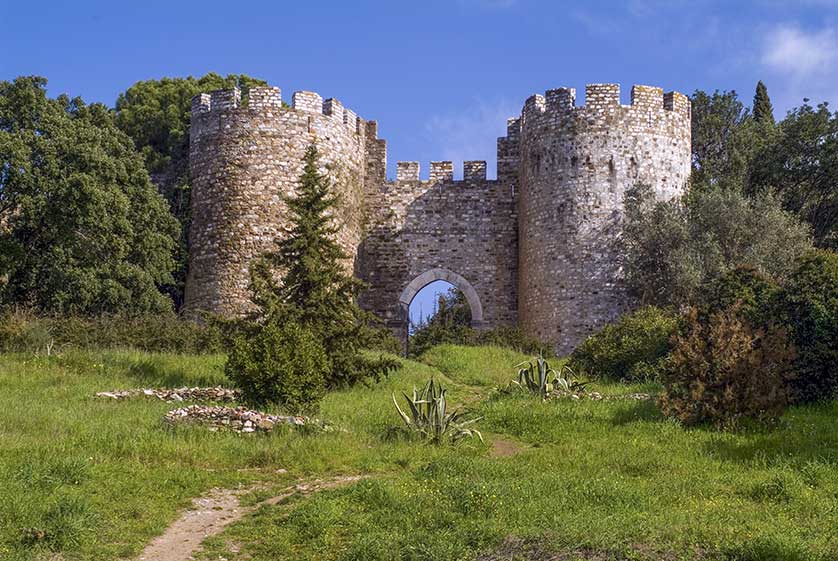
The Castle of Vila Viçosa (Castelo de Vila Viçosa) was the former residence of the dukes before they decamped to their more spacious and opulent palace.
Historians believe the fortress was built by D. Dinis from the late 13th to early 14th century following initial work by his father Afonso III.
The ground floor of the castle includes the Museu de Arqueologia e da Caça combining archeological finds dating back to the Roman period and before, plus the history of royal hunting in the area and overseas. The collection of hunting trophies includes numerous European birds as well as trophies from Africa such as a pygmy elephant skull. There is also a historic pelourinho (pillory) close to the castle.
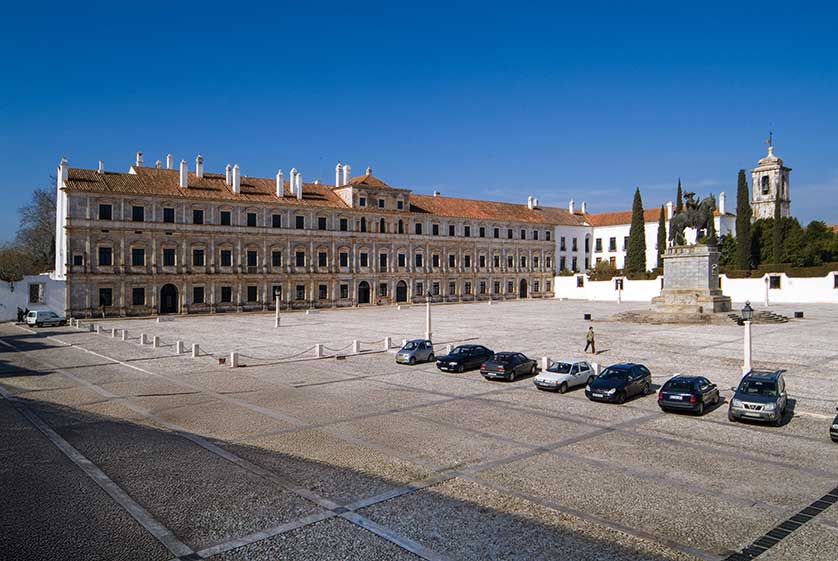
Paço Ducal Hours & Pricing
Terreiro do Paço 7160-251, Vila Viçosa
(tel: +351 268 980 659)
Hours: October to May; Tuesdays 2 pm to 5 pm; Wednesday to Sunday 10 am to 1 pm (last admission at noon) and 2 pm to 5 pm. June to September; Tuesdays 2 pm to 5 pm; Wednesday to Sunday 10 am to 1 pm (last admission at noon) and 2 pm to 6 pm.
The palace museum is closed on Mondays and Tuesday mornings (except during July and August). Also the palace is closed on the following Portuguese national holidays - January 1, Easter Sunday, May 1, December 8 and December 25.
Entrance is presently 8€ (2024).
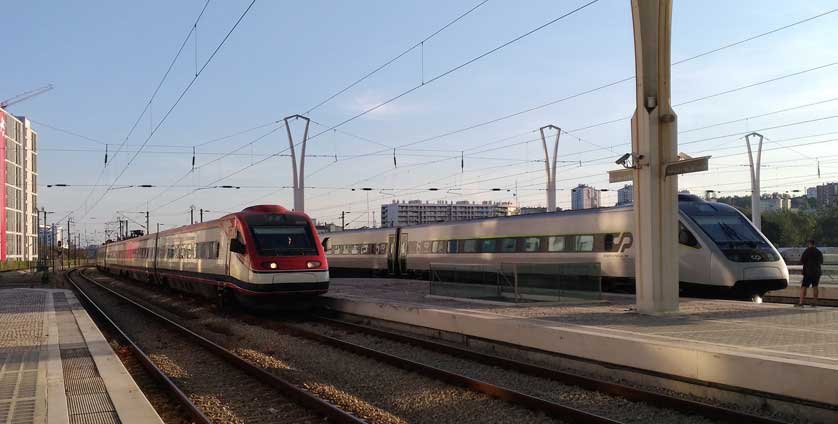
Getting to Vila Viçosa
Train Travel in Portugal
Vila Viçosa is not connected to the Portuguese rail network anymore, neither is nearby Estremoz.
Car Travel in Portugal
The town is around two hours by car from Lisbon on the A2 and the A6 highways. From Elvas take the Rua da Carreira (30 minutes). If driving from Spain (Badajoz), take the A6/E90. From Borba, Vila Viçosa is 13 km southeast on the Rua da Carreira. From Estremoz the town is 24 km southeast on the N4.
Bus Travel in Portugal
The long-distance bus station is on R. Dom João IV.
There are buses to Lisbon, Evora and Portalegre via Estremoz. Local buses connect the town with Estremoz and outlying villages.
Portugal Hotel & Hostel Accommodation
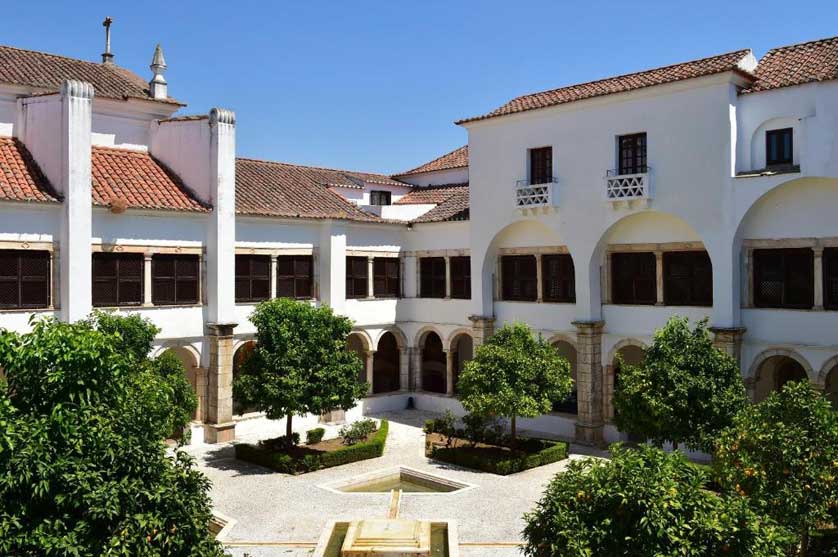
Featured Hotel
Pousada Convento Vila Viçosa; Convento das Chagas - Terreiro do Paço, 7160-251 Vila Viçosa, Portugal - a magnificent pousada in the old part of town.
Book the Pousada Convento Vila Viçosa
Book Hotel Accommodation in Vila Viçosa
Hotel Solar dos Mascarenhas - housed in a 16th century mansion with stables and gardens.
Casa do Colégio Velho - upmarket hotel in a converted 16th century manor house.
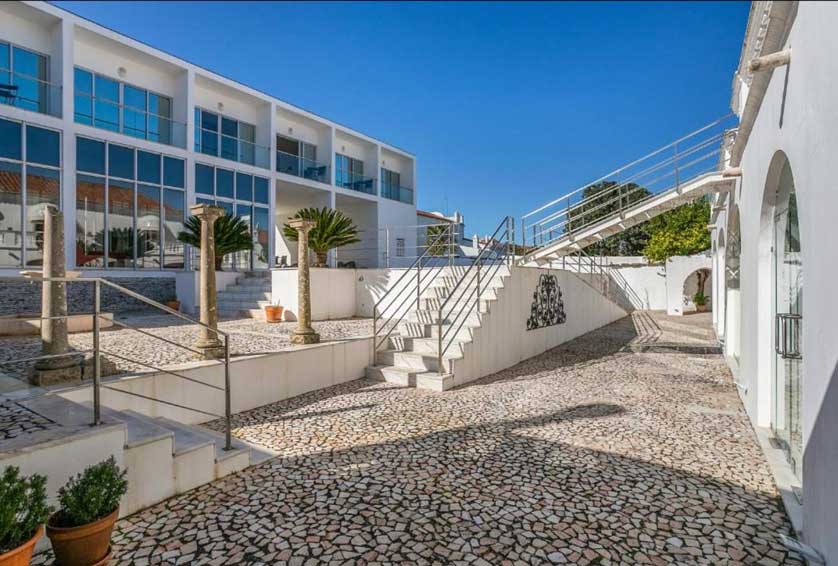
Hotels in Portugal - Booking.com
Albufeira Hotels - Booking.com
Book Hotels in Algarve - Booking.com
Find Hotels in Lisbon - Booking.com
Search Hotels in Porto - Booking.com
Apartments & Hotels in Madeira - Booking.com
Hostels in Portugal - Booking.com
Lisbon Hop-On Hop-Off Bus, Tramcars, and Yellow Boat River Tour
Eating
For local food and Alentejo wines try the recommended Taverna dos Conjurados at Nº 12 Largo 25 de Abril. Also of note are Café/Restaurante Veneza and Safari on Largo Mariano Prezado.
Drinking
There are many decent cafes and bars in town. For a drink try Espadinha Bar on Rua Florbela Espanca or Craft BBS for craft beer and hamburgers.
List your restaurant/bar/hotel for FREE contact Advertising
The average high June temperatures for Portugal is between 22 degrees Centigrade and 26 degrees Centigrade.
Get more weather information for Portugal
Maps

