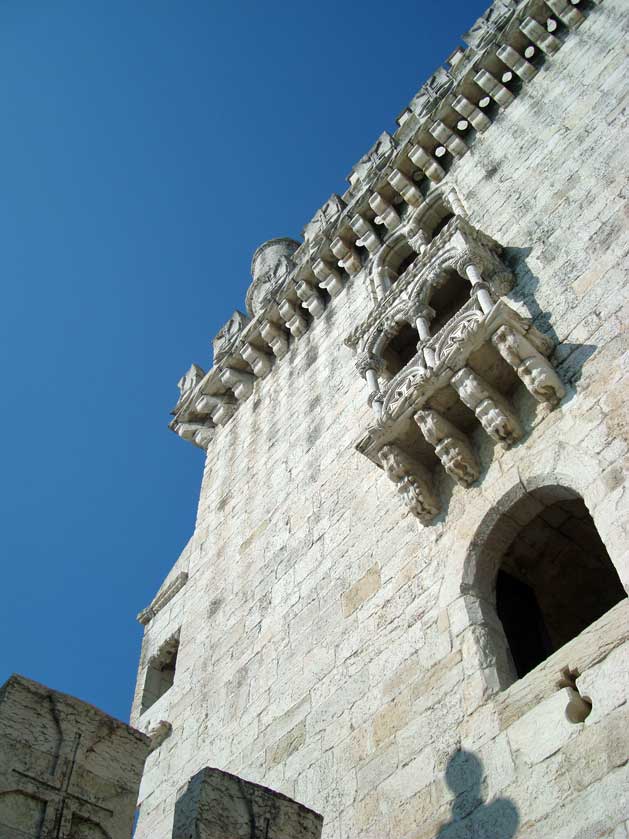
Torre de Belem, Belem, Lisbon, Portugal
The Torre de Belem is a symbol of Lisbon and a fine example of Manueline architecture. The Belem Tower was originally built to protect the upper reaches of the River Tagus from attack by sea.
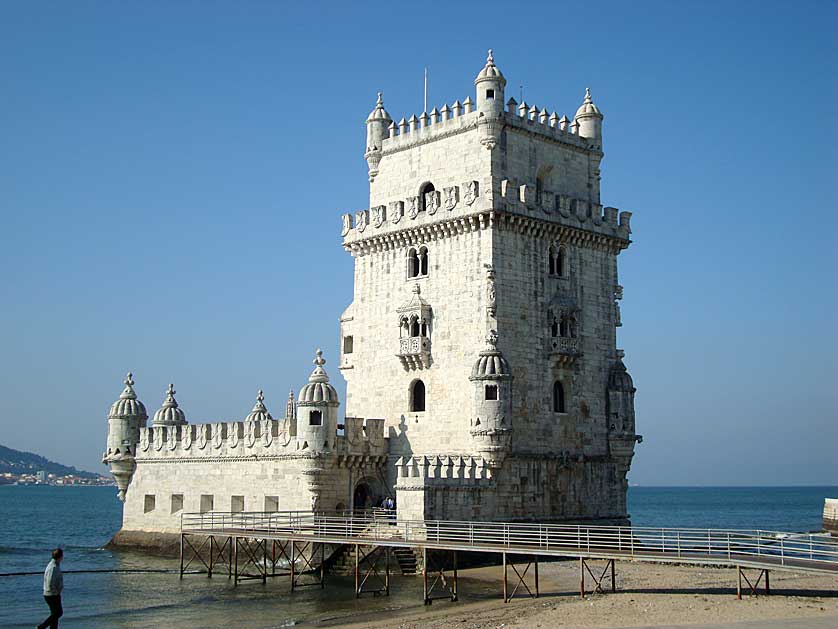
The Torre de Belém, on the banks of the Tagus River in Lisbon, is one of Portugal's most iconic landmarks, symbolizing the country's Age of Discovery. Built between 1514 and 1519 under the reign of King Manuel I, the tower served as a defensive fortress and ceremonial gateway to the city. Designed in the Manueline architectural style by Francisco de Arruda, it features intricate maritime motifs, including ropes and crosses, and combines elements of both Gothic and Moorish influences. The Torre de Belém is a UNESCO World Heritage Site along with the nearby Jerónimos Monastery.