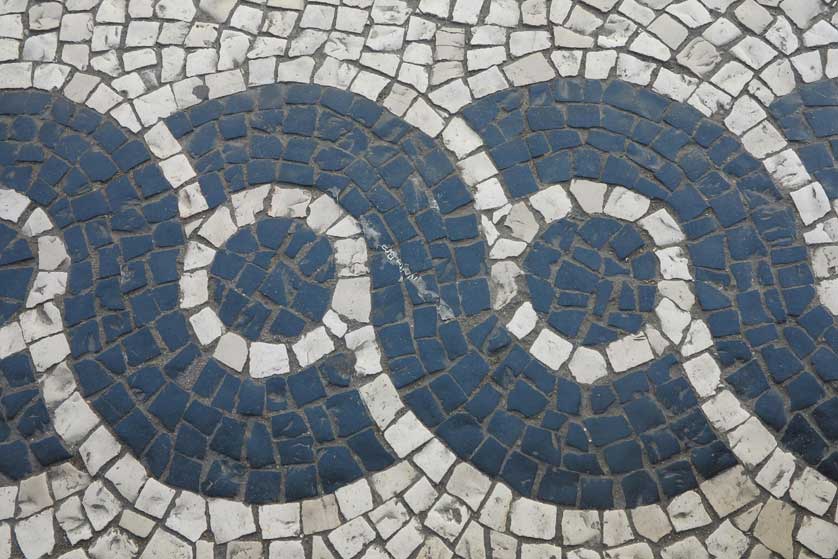
Portuguese Culture: Calçada Limestone Pavements
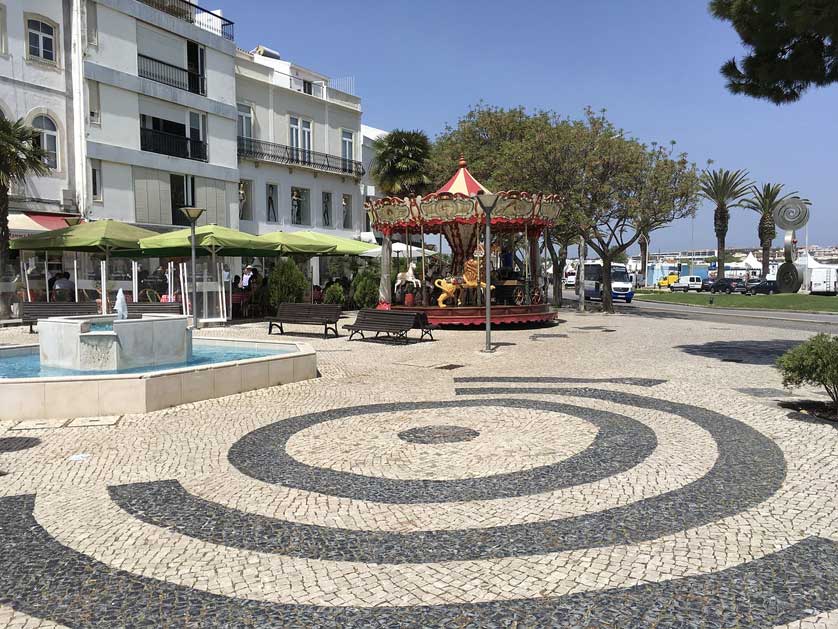
Portugal's distinctive paving, known as calçada in Portuguese or calçada portuguesa, can be seen in most Portuguese towns and cities.
As well calçada can be enjoyed in the former Portuguese colonies of Angola, Brazil and Macau. The Portuguese pavement in Copacabana Beach in Rio and Senado Square in Macau are standout examples of the art.
The traditional paving is found in many of the squares and sidewalks of Lisbon, as well as towns and cities all over the country, so keep your eyes to the ground for a treat beneath your feet.

History
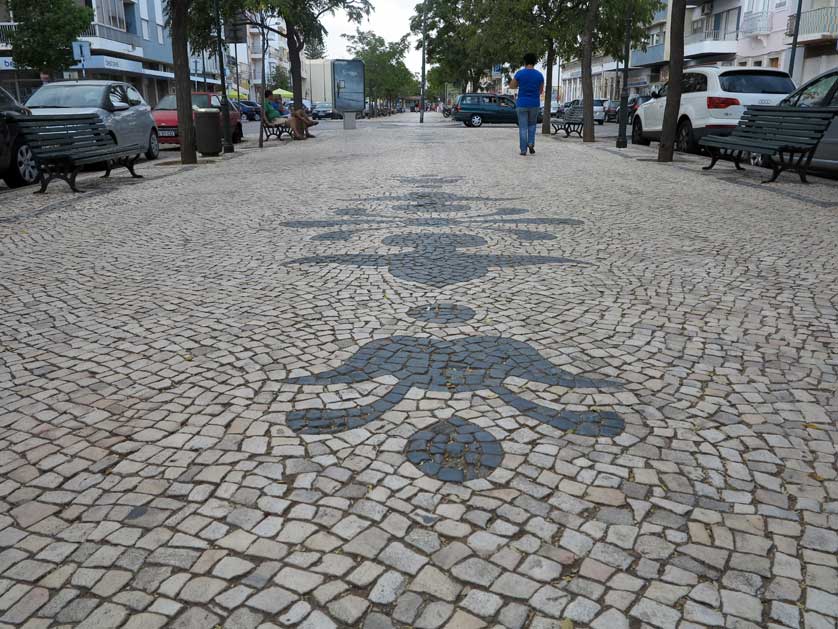
The tradition of making these decorative pavements is believed to date back to the 1755 Earthquake. Following the devastation, many towns and villages had to rebuilt.
At hand was lots of fallen masonry. This rubble was then reshaped and used for the construction of pavements and squares.
The designs are also surely influenced by Portugal's Moorish legacy of decorative tile work (azulejos) and the Roman history of mosaics.
Lieutenant General Eusébio Furtado, a military engineer and governor of Lisbon Castle in the 1840's constructed a Roman-inspired calçada pavement within the castle grounds. He used convict labor for the job.
The first large scale calçada square was Rossio in Lisbon. This was laid out in the 19th century by Furtado and is known as Mar Largo for its wave pattern. From then on squares throughout Portugal have been decorated in this way.
Calçada have their critics however. They can be slippery when wet, are a nightmare in heels and there are fewer and fewer crafts people (known as calceteiros) able to repair them. The result can be potholes which are difficult to traverse with suitcases, prams or in a wheelchair.

Famous Calçada Pavements & Squares
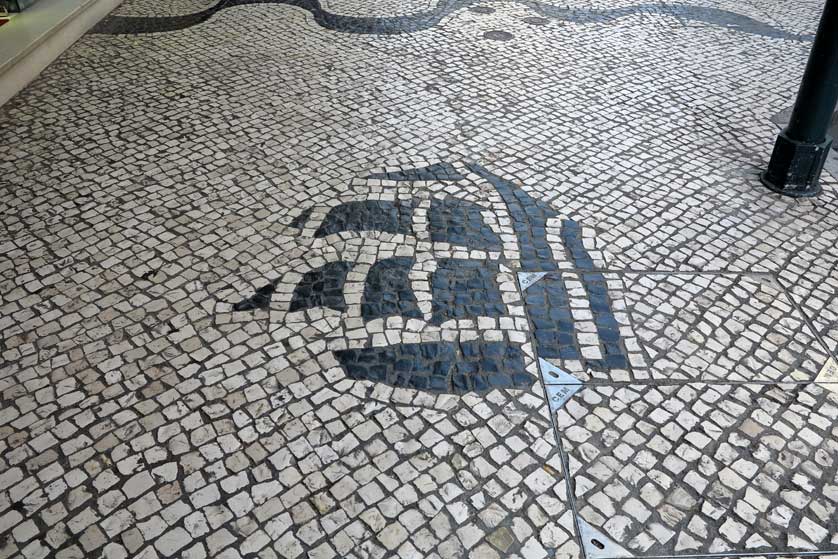
Some well-known calçada in Portugal include the large scale Rossio Square in Lisbon with its wave like arrangement of stones.
The Santa Rainha Isabel calçada in Coimbra, made with black and white stones of basalt and limestone is also a gem.
Unusual designs are the runes of Póvoa de Varzim, modernist motifs at the Parque das Nações in Lisbon and minimalist designs in Aveiro.
Articles on Portuguese Culture
Pastel de Nata Workshop in Lisbon