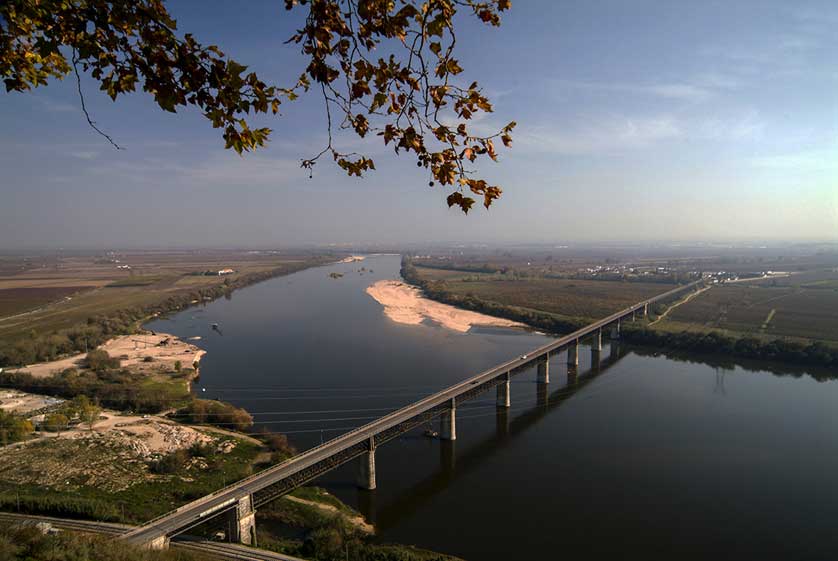
Santarém Cathedral (Sé Catedral de Nossa Senhora da Conceição)
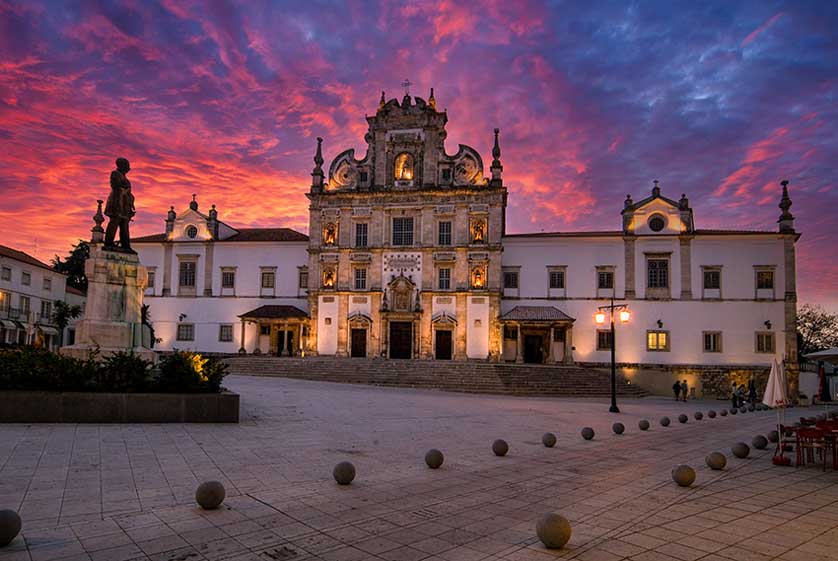
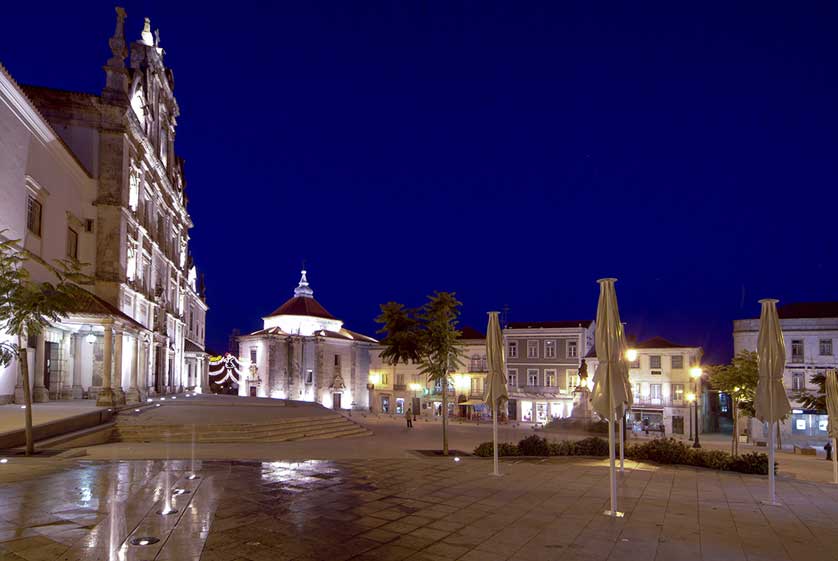
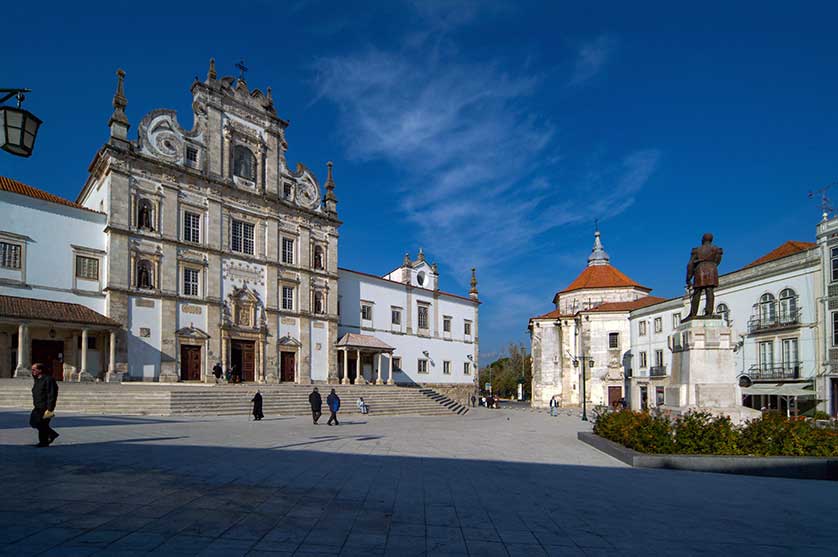
The Sé Catedral de Nossa Senhora da Conceição in Santarém is a magnificent and historic church in Praça Sá da Bandeira. Originally built in the 17th century as the Church of the Jesuit College, it was elevated to cathedral status in 1975, when the Diocese of Santarém was established. Thus it is the most recent of all Portuguese cathedrals.


History
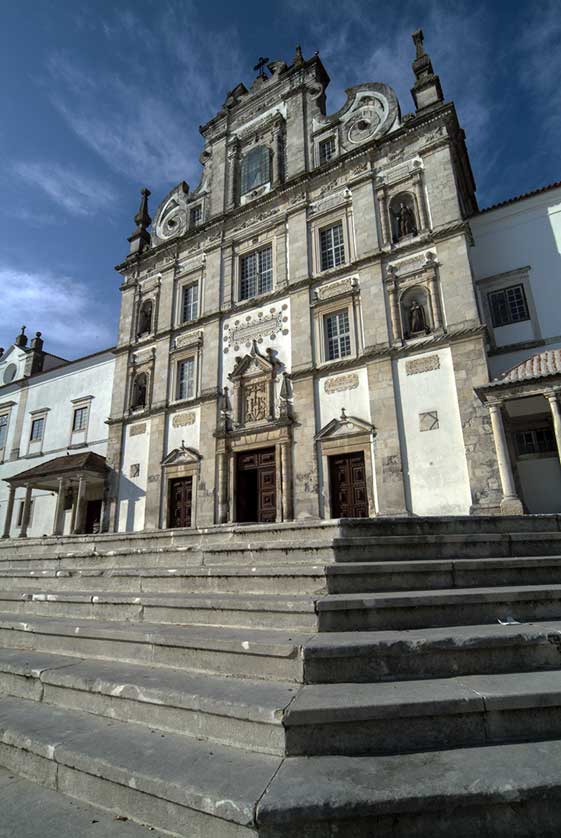
The cathedral's origins lie in the Jesuit occupation of the site of the former Royal Palace of Alcáçova Nova from around 1647. The completion of the interior and the exterior is marked by an inscription of "1711" on the façade.
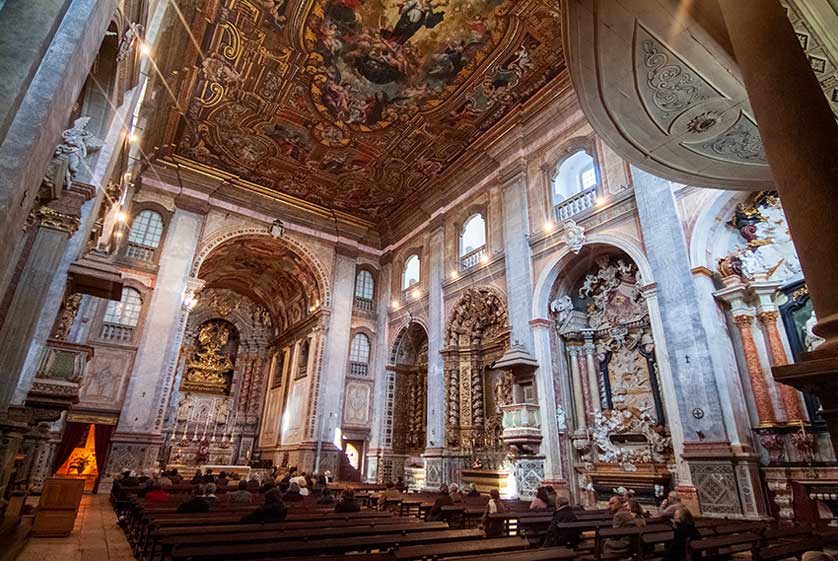
The Jesuit architectural influence can be seen in the early Baroque style of the building, characterized by a restrained exterior design that contrasts with its much more ornate interior.
Following the expulsion of the Jesuits in 1759 by the Marquis of Pombal, the church building was granted to the Seminário Patriarcal and also served other purposes including as a hospital and high school, until eventually becoming a cathedral after the diocese of Santarém was created in 1975.
Architecture
Externally, the façade is relatively simple, featuring clean lines typical of the Baroque period, with a pediment and an austere portal, emblematic of Jesuit minimalism in church design. The chief architect of the church was Mateus do Couto.
The interior is far more elaborate, with notable Baroque elements in marble dominating the central nave and side chapels. The ceilings are richly decorated. with paintings. The high altar, a focal point of the cathedral, is a masterpiece of the period, adorned with intricate wood carvings, gilded detailing, and religious iconography. Several lateral chapels house significant artworks, including statues and altarpieces.
Santarém Cathedral holds a wealth of religious art including paintings, marble statues of Saint Ignatius of Loyola and Saint Francis Xavier by João António Bellini, frescoes, and various religious artifacts. In an adjoining building, is the Museu Diocesano de Santarém, which has a permanent exhibition of around 150 pieces of religious art.
Access & Hours
Rua Capelo e Ivens 28
2005-257 Santarém
Tel: 243 304 060
The adjacent Museu Diocesano de Santarém is open Monday to Friday: 10 am to 1pm; 2 pm to 6 pm; Saturday and public holidays: 10 am to 1pm; 2 pm to 7 pm (6 pm October to May); Sundays: 2 pm to 7 pm (6 pm October to May).
Nearby
Other places of interest in the town include the Mercado Municipal (Municipal Market), the Casa-Museu Passos Canavarro, Cabaças Tower (Calabash Tower) and the Ponte Dom Luis I Bridge.