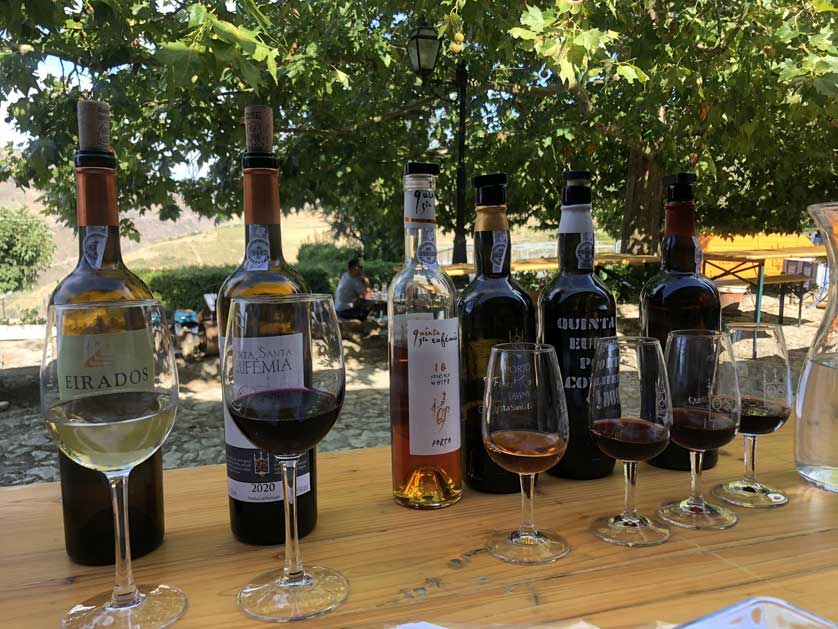
From the Atlantic cliffs to the rolling Douro, a journey through the soul of Portuguese wine.
When travelers think of Europe's great wine regions, France or Italy usually come first to mind. Yet those who venture west - to Portugal - discover a wine country every bit as rich, complex, and captivating, but far less crowded.
Here, vineyards climb steep river valleys, Atlantic breezes cool sun-drenched plains, and centuries-old quintas still welcome guests as if they were family. Portuguese wine is as diverse as the landscape itself: fresh and maritime along the coast, deep and structured inland, experimental and surprising in its islands.
For the traveler who sees wine not just as a drink but as a window into culture, history, and people - Portugal may be the most rewarding destination in Europe.
A Land Where Wine Is a Way of Life
Portugal's relationship with wine goes back more than 2,000 years. The Romans were already cultivating vines here when they built the ancient roads that still shape today's landscape. Over the centuries, a unique blend of tradition, climate, and experimentation has produced an extraordinary range of styles: fortified and still, white and red, sparkling and amber.
Unlike many European producers, Portugal kept much of its viticulture native. More than 250 grape varieties grow here, most found nowhere else in the world. From Touriga Nacional to Arinto and Encruzado, these grapes express terroirs that change dramatically across short distances - granite to schist, mountain to ocean, sun to fog.
What ties it all together is authenticity. Portuguese wine remains resolutely local, shaped by family-run estates, regional pride, and the rhythm of everyday life.
The Douro Valley: Portugal's Beating Heart
The Douro Valley is the birthplace of both Port and some of the country's finest dry wines. It is one of the most striking wine landscapes in the world - steep terraces carved into slate hillsides that plunge toward the sinuous Douro River.
Driving along the N222 (often called Europe's most beautiful road), travelers encounter viewpoints where vineyards seem to tumble endlessly toward the water. Many estates here date back centuries, their stone quintas still bearing the patina of the past.
Visitors can explore the valley by car, boat, or even train - each offering a different rhythm of discovery. Stop at traditional adegas (wine cellars) to taste Touriga Nacional-based reds that rival the best of Bordeaux for structure and longevity, or sample crisp Douro whites made from high-altitude vineyards.
A day might begin with a visit to a historic estate like Quinta do Vallado or Quinta do Crasto, followed by lunch overlooking the river, and end with sunset over the terraced hills - glass of Tawny Port in hand.
It's also the perfect region for those seeking seamless organization and private access; several operators offer luxury wine tours of Portugal that include Douro stays, tastings with winemakers, and scenic river cruises connecting Porto to the valley.
Porto: Where Tradition Meets the Tides
No wine journey through Portugal is complete without time in Porto, the country's cultural and vinous gateway. Across the river in Vila Nova de Gaia, 18th-century lodges line the waterfront - historic houses like Graham's, Taylor's, and Sandeman - where Port was once aged before being shipped across the world.
Today, many of these cellars host atmospheric tastings and museum-style exhibits that trace the city's maritime wine heritage. Walk uphill through the narrow cobblestone lanes to Ribeira, where pastel façades and riverside cafes remind visitors that Porto, like its wine, is layered, soulful, and best enjoyed slowly.
Beyond fortified wine, Porto's culinary scene pairs beautifully with local vintages - from market-fresh seafood to rich stews like tripas à moda do Porto, the dish that gave the locals their nickname: tripeiros.
Vinho Verde: The Wine of the Sea
Heading north toward Spain, the Minho province bursts into shades of green - a lush, rainy region that gives name to Vinho Verde, or “green wine.” But verde here refers not to color, but to youth. These wines are meant to be enjoyed young: light, slightly effervescent, and full of citrus and stone-fruit freshness.
Produced mostly from grapes like Alvarinho, Loureiro, and Arinto, Vinho Verde wines are the embodiment of coastal life - refreshing, uncomplicated, and perfect with grilled sardines or clams in garlic and lemon.
Travelers can explore the Vinho Verde route through charming towns such as Ponte de Lima or Monção, visiting small producers who pour wines straight from the barrel, often alongside homemade cheese and bread. The hospitality feels spontaneous, uncommercial - an experience that captures the heart of Portuguese wine culture.
Dão: The Quiet Classic
Inland, nestled between mountains and pine forests, lies Dão, one of Portugal's oldest demarcated regions and arguably its most elegant. If the Douro is dramatic, the Dão is restrained - its wines structured yet graceful, defined by granite soils and cooler nights that lend freshness.
The reds, often based on Touriga Nacional and Jaen, age beautifully, while the whites (especially those from Encruzado) show mineral finesse reminiscent of fine Burgundy.
The region remains largely rural and unspoiled, dotted with granite villages and convent ruins. Visitors can hike forest trails, visit 19th-century estates, and taste wines that represent Portugal's quieter, more contemplative side.
Alentejo: Sun, Olive, and Stone
To the south, across the Tagus River, the Alentejo spreads wide and golden under the sun - a landscape of cork forests, olive groves, and gently rolling plains. Here, the rhythm of life slows even further.
Alentejo's wines are generous and warm, much like the people who make them. The reds (Alicante Bouschet, Trincadeira, Aragonez) are rich and velvety, while the whites show surprising freshness despite the heat. Many estates combine modern architecture with deep respect for tradition - concrete tanks beside ancient amphorae, or talhas, once used by Roman settlers.
Travelers can base themselves in the heritage city of Évora or in smaller towns like Monsaraz and Estremoz, each offering easy access to vineyards and sweeping countryside views.
Evenings end best under the Alentejo sky, which UNESCO has designated a Starlight Reserve - one of the clearest night skies in Europe, perfect for wine by starlight.
Bairrada & Beyond: The Rebel Regions
Between Lisbon and Porto, Bairrada and the Lisboa wine region reflect Portugal's experimental streak. Bairrada's cooler Atlantic climate nurtures the robust Baga grape - tannic, smoky, and age-worthy, producing reds once called “the Barolos of Portugal.”
Lisboa, meanwhile, offers diversity in miniature: vineyards hugging coastal cliffs, medieval monasteries, and small estates producing everything from sparkling wine to sweet muscatel.
A few hours away, adventurous travelers can fly to Madeira or the Azores, where volcanic soils and salt-laden winds create wines like no other - complex, sea-kissed, and enduring.
Pairing Wine and Culture
In Portugal, wine is never just about the vineyard. It's about the table, the music, and the people gathered around it.
Pair Douro reds with posta mirandesa, a thick-cut beef grilled over oak. Sip crisp Vinho Verde with amêijoas à Bulhão Pato, clams simmered in olive oil and cilantro. Or match Madeira's nutty sweetness with the country's endless array of pastries, from pastéis de nata to almond tarts dusted with sugar.
Even small, family-run taverns take pride in pairing wine and cuisine with precision. There's a sense of rootedness - that what grows together truly belongs together.
Planning Your Wine Journey
Portugal's wine regions are compact enough to explore easily by car or train, yet diverse enough to reward weeks of exploration. A classic itinerary might begin in Porto and the Douro Valley, continue south through Dão and Lisbon, and finish in the golden fields of Alentejo.
Many estates now offer boutique accommodations where guests can sleep among the vines, join the harvest, or learn traditional winemaking techniques firsthand. Others open their kitchens for cooking classes or picnics overlooking the river.
For travelers seeking a seamless experience - with private guides, vineyard access, and local insight - a number of operators now curate personalized wine itineraries across the country. Among the most refined options are luxury wine tours of Portugal, which blend regional exploration with immersion into Portugal's distinctive hospitality and landscape.
When to Visit
Wine travel in Portugal can be enjoyed year-round, but each season offers its own rewards:
- Spring (March-May): Blooming wildflowers, cool evenings, and the start of wine festivals.
- Summer (June-August): Lively harvest preparation and vibrant coastal life, though temperatures soar inland.
- Autumn (September-October): Harvest time, or vindima - the most atmospheric season to visit, when grapes are picked and presses hum with activity.
- Winter (November-February): Quiet, affordable, and perfect for Port and hearty cuisine by the fire.
The Portuguese Way
What distinguishes wine travel in Portugal is not opulence but authenticity. Vineyards are smaller, families more present, and encounters more personal. Winemakers pour with pride, often pausing to tell stories that stretch back generations.
There's no sense of rush - only rhythm. A glass becomes a conversation, a tasting becomes a friendship.
For the wine traveler seeking substance over spectacle, Portugal offers something rare: a destination where tradition feels alive, innovation feels grounded, and every bottle tells the story of a place still deeply connected to its roots.
Raise your glass, and you'll taste not just the wine - but the warmth of a country that still believes hospitality is an art.