When it comes to maritime history, few parts of the world can pack as much value into a small space as Portugal. This tiny European nation once boasted a globe-spanning network of colonies. And much of the evidence of this is to be found in the nation itself. But the kinds of historical attractions you enjoy will often depend on the part of the country you're visiting.
During your visit, the chances are that you'll want to make use of the public wi-fi services. The country boasts a modern infrastructure when it comes to the internet, but you'll want to take the precaution by using a VPN during your travels.
Lisbon
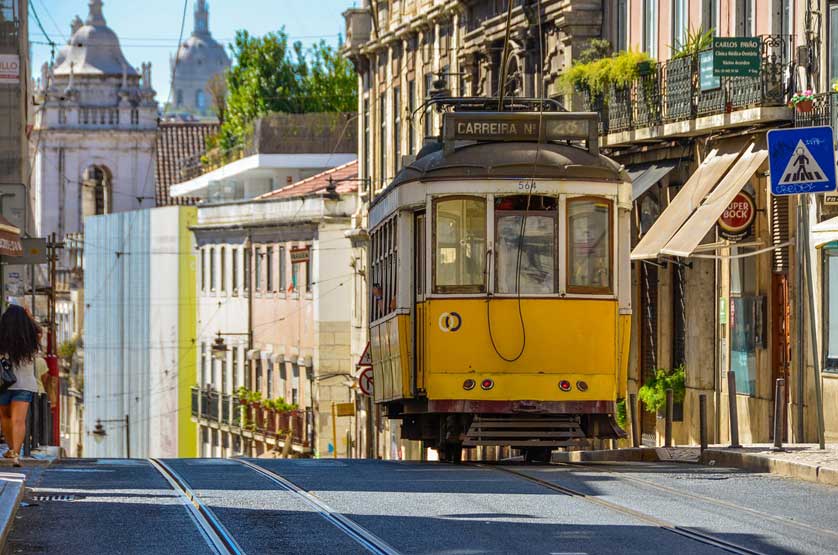
As you might expect, the capital city is home to some of the most important landmarks on offer in the country. The harbour is overlooked by the famous Belém Tower. Elsewhere in the city, there's the Jerónimos Monastery, which was erected in commemoration of Vasco da Gama's voyage to India. If you want to put yourself back into medieval Lisbon, however, it's difficult to beat a stroll through the streets of Alfama.
Óbidos
This Portuguese town is among the most noteworthy when it comes to historical intrigue. Óbidos is enclosed by medieval walls, along which visitors are allowed to walk. There's also an amazing castle, and a collection of ancient churches to consider, including the famous Igreja de Santa Maria. While you're in town, you'll also want to make time for the castle, which is among the most expansive and well-preserved in the country.
Porto
This incredible port city has a history that stretches back around two millennia. During that time, an impressive collection of structures has arisen. As you might expect, the city is highly connected to the sea, with an amazing riverside district in the form of the Ribeira. There's also the Sé do Porto cathedral, and the Fernandine walls, which were built during the fourteenth century by Fernando I.
Évora
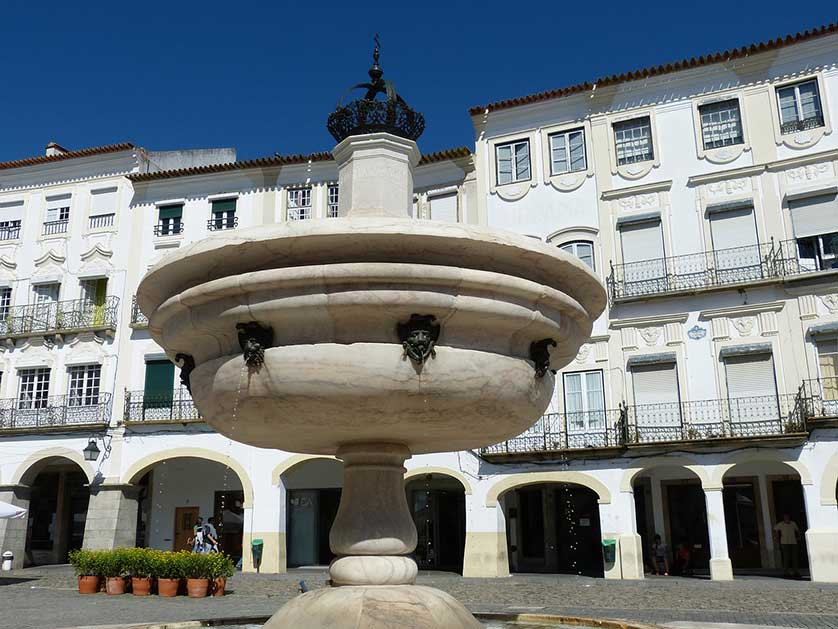
Finally, we come to Alentejo, where we find the UNESCO-certified town of Évora. The buildings here are incredibly well-preserved. There's an incredible cathedral, here, as well as a monument in the form of the tiny Chapel of Bones, which takes its name from the grisly contents of the walls: they're decorated by the bones of thousands of people who were buried in the local cemeteries. Visitors are forbidden from actually touching the walls, but you can get a good look from a distance of a few feet.