National Theatre D. Maria II
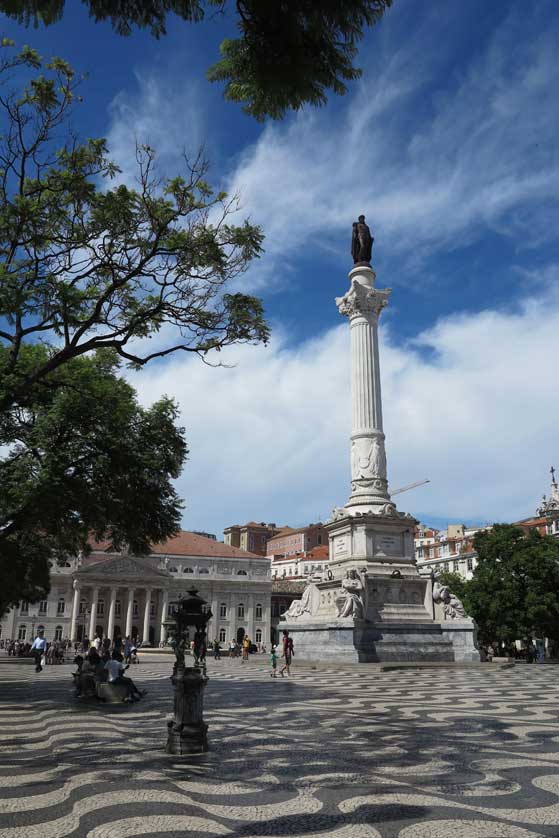
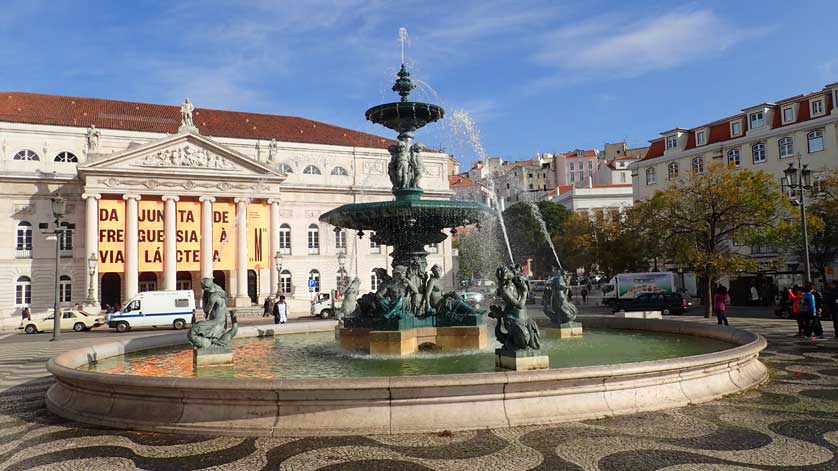
The National Theatre D. Maria II (Teatro Nacional D. Maria II) in Rossio Square was built in the Palladian, Neo-classical style between 1842 and 1846 by Italian architect Fortunato Lodi. The building of the theatre owes much to the organizing efforts and enthusiasm of the playwright and poet, Almeida Garrett (1799-1854).
History
The building is an impressive landmark at the northern end of Rossio square and was built over the earlier site of the old Estaus Palace, a building used to accommodate foreign dignitaries and later the Inquisition.
The Estaus Palace was destroyed by a fire in 1836. Another fire in 1964 during a run of Shakespeare's Macbeth, was to severely damage the theatre, which was only completely restored in 1978.
The theatre is dedicated to Queen Mary II of Portugal (1819-1853). It presents a varied programme of both classical and contemporary drama.

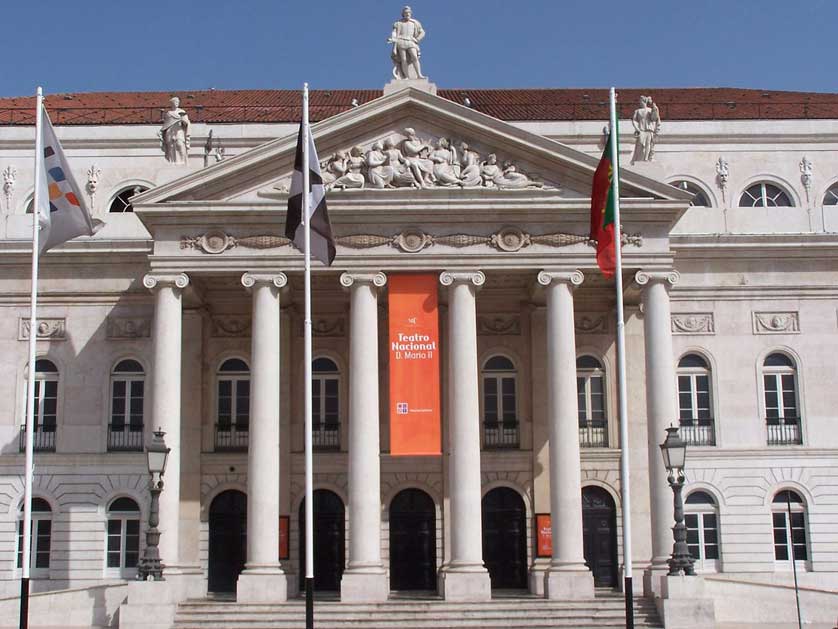
The façade of the National Theatre D. Maria I is noted for its six Ionic columns (recycled from the Saint Francis Convent damaged during the earthquake of 1755) and a triangular pediment decorated with a sculpted relief of Apollo and the Muses.
Standing on the top of the pediment is a statue of Gil Vicente - considered the father of Portuguese drama, as Shakespeare is to English theatre. The theatre opened with a production of one of Gil Vicente's plays.
The interior of the National Theatre D. Maria II has two theater spaces: the larger, classically-styled Sala Garrett and the smaller, contemporary Sala Estudio.
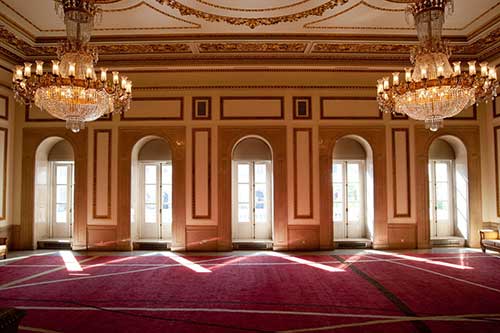

Temporary exhibitions are also held in the entrance hall/foyer of the theatre. The library and archive within the theatre contains volumes of specialized information on theatre and the performing arts in general and about the history of the National Theatre D. Maria II in particular. The archive includes around 17,000 monographs including photographs, programmes, brochures, posters, cartoons, drawings, musical scores and costumes.

The theatre's bookstore is dedicated to the theater and the performing arts.
There are guided tours of the theatre every Monday at 11 am (except during August and national holidays) conducted by expert guides who accompany visitors in different languages (Portuguese, English, French, Spanish, Italian and German). The tours last one hour and visit the auditoriums, dressing rooms, technical areas and include a look at the theatre's costumes and props.
Access
National Theatre D. Maria I (teatro-dmaria.pt)
Praça D. Pedro IV
1100-201 Lisbon
Tel: 213 250 800
Nearby
The National Theatre D. Maria I is close to the Igreja de São Domingos, the Santa Justa, Lavra and Glória elevadors and both the Rossio and Restauradores squares. The grid of streets that form the Baixa district is to the south of the theatre.
Both Rossio Station and Restauradores Station are stops on the Lisbon metro. Take either Lisbon tram number #12 or #15 to Praça da Figueira.
By Lisbon bus, take any of numbers: 711, 714, 732, 736, 737, 759 and 760. The AeroBus stops in both Restauradores and Rossio.
Accommodation in Lisbon
Hotels in Portugal - Booking.com
Hotels in Lisbon - Booking.com
Lisbon Hop-On Hop-Off Bus, Tramcars, and Yellow Boat River Tour