Time Traveler’s Guide: Exploring Destinations with a Rich History
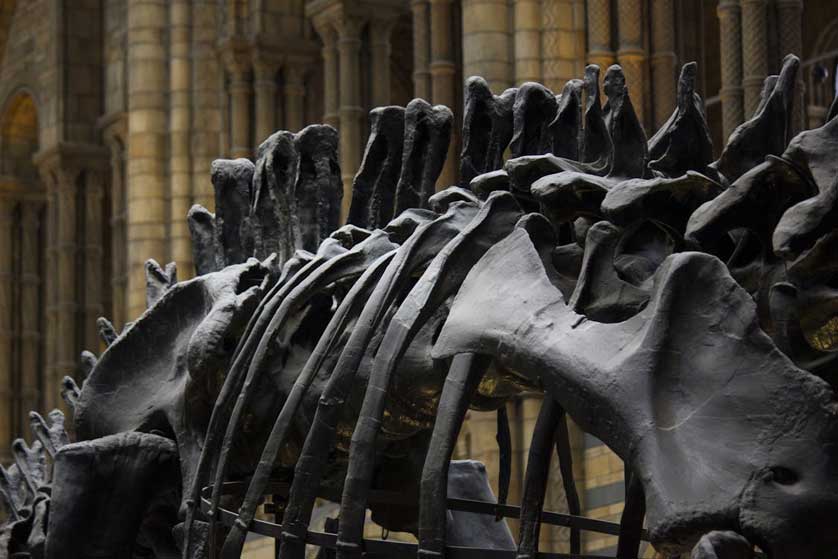
History has a captivating ability to take us back in time. Grandiose castles, ancient ruins, and carefully conserved artifacts tell tales of former civilizations. Exploring historical locations offers a special journey - one that goes beyond physical space and digs deeply into the core of cultural identity - for tourists passionate about solving the puzzles of human existence. Discover the relics of our common history using this guide to inspire your next journey.
Historic travel's allure
The appeal of old sites is their ability to produce almost actual time travel. Events that inspire strong ties to the past include admiring the complex Angkor Wat carvings, meandering through Prague's cobblestone alleyways, or standing in front of the Giza pyramids. For those searching for gifts for travellers, artifacts or replicas from historical sites offer significant mementos that combine a keepsake with a little history to carry home. These places often help you to better understand over time human growth and vacation experiences.
Locations that tell historical tales
There are places on Earth that feel like living history books. Rome, the Eternal City, is a good example. The Roman Forum and Colosseum show how the empire shaped Western culture. Kyoto's well-preserved customs and temples expose centuries-old practices. In the Middle East, visitors can also view Jordan's Petra, a 2,000-year-old architectural wonder sculpted from rose-red sandstone. Every area's unique past informs us of the tenacity and inventiveness of earlier societies.
Get lost in local history
Understanding a place's history requires more than just viewing its sights; one must also experience its culture and stories. History comes alive on guided tours, often led by knowledgeable locals. Museums and history centers display artifacts and interpretive exhibits to help you understand a region's past.
Local cuisine and cultural celebrations may build this link. Participating in Day of the Dead can teach you about Mexico's dedication to genealogy and memory. These activities help you understand how history shapes modern identities and habits.
Sustainable historical tourism methods
Sustainable travel practices are becoming increasingly important as historical tourism grows. Protecting heritage sites for future generations requires mindful tourism that reduces environmental and cultural impacts. Small activities like obeying site regulations, avoiding congested locations, and patronizing neighborhood businesses help achieve this goal.
Awareness of environmental issues can also inspire tourists to help preserve areas. Visitors may protect these priceless relics by choosing eco-friendly accommodation or donating to cultural preservation funds.
Creating your momentous adventure
Visits to historical sites require planning. Researching the location's history, admittance criteria, and local customs guarantees a great encounter. Documentaries and travelogues can be intriguing and educational.
Conclusion
Packing correctly is crucial for a successful trip. Dress for the weather, wear comfortable shoes and bring a good travel diary to document your discoveries for future generations. Historic travel allows you to explore the world and its past, offering opportunities to visit areas that honor their heritage while creating lasting memories. Whether you return with a cherished relic or meaningful stories, the journey deepens your understanding of history and yourself. Such adventures enrich your perspective, connecting you to the resilience and achievements of those who came before us.